
Hexene Prices Trend, News, Monitor, Analysis, Supply & Demand | ChemAnalyst

Hexene prices are a crucial metric within the petrochemical industry, influencing various sectors ranging from plastics manufacturing to automotive production. Understanding the dynamics behind hexene pricing involves delving into the intricacies of global supply and demand, market trends, and the impact of external factors such as geopolitical events and economic shifts.

One of the primary determinants of hexene prices is the supply-demand balance within the market. Hexene, a key component in the production of polyethylene, experiences fluctuations in price due to changes in supply levels. Production capacity, influenced by factors like technological advancements and investments in infrastructure, plays a significant role in shaping supply dynamics. For instance, expansions or shutdowns of production facilities can lead to fluctuations in supply, thereby impacting prices.

Moreover, demand for hexene is closely linked to the consumption patterns of downstream industries. Industries such as packaging, construction, and automotive heavily rely on polyethylene, thereby driving the demand for hexene. Economic growth, urbanization, and shifts in consumer preferences also influence demand dynamics. During periods of economic expansion, demand for polyethylene products typically rises, exerting upward pressure on hexene prices.

Global market trends and trade dynamics further contribute to price volatility in the hexene market. Factors such as trade agreements, tariffs, and changes in regulatory policies can affect the flow of hexene across borders, influencing prices in different regions. Additionally, geopolitical tensions or disruptions in key production areas can disrupt supply chains, leading to price fluctuations.

Get Real Time prices of Hexene: https://www.chemanalyst.com/Pricing-data/hexene-1230

Price competitiveness and market positioning also play a crucial role in determining hexene prices. Producers often engage in price negotiations and strategic pricing to maintain or gain market share. Factors such as production costs, efficiency, and technological capabilities can influence a producer’s ability to compete effectively in the market. Furthermore, the presence of substitutes or alternative materials may exert downward pressure on hexene prices, compelling producers to adjust their pricing strategies accordingly.

Environmental regulations and sustainability concerns are increasingly shaping the dynamics of the hexene market. With growing emphasis on reducing plastic waste and carbon emissions, there is a rising demand for eco-friendly alternatives and recyclable materials. This shift towards sustainability can influence both supply and demand dynamics, as producers adapt their processes to comply with regulations and meet changing consumer preferences.

In recent years, the COVID-19 pandemic has also had a significant impact on hexene prices and market dynamics. Disruptions in supply chains, changes in consumer behavior, and economic uncertainties have led to fluctuations in demand and pricing. While certain sectors experienced a decline in demand during lockdowns, others saw increased demand for essential products, affecting the overall balance of the market.

Looking ahead, several factors are poised to influence hexene prices in the foreseeable future. Technological advancements, such as the development of new production methods or recycling technologies, could reshape the supply landscape. Moreover, evolving consumer trends and regulatory frameworks will continue to drive demand for sustainable materials, potentially altering market dynamics. Geopolitical developments, trade policies, and macroeconomic trends will also remain key factors influencing hexene prices on a global scale.

In conclusion, hexene prices are subject to a complex interplay of supply and demand dynamics, market trends, regulatory factors, and external events. Understanding these factors is essential for stakeholders within the petrochemical industry to make informed decisions and navigate the intricacies of the market effectively. As the industry continues to evolve, staying attuned to these dynamics will be critical for successfully managing risk and capitalizing on opportunities in the hexene market.

Get Real Time prices of Hexene: https://www.chemanalyst.com/Pricing-data/hexene-1230

Contact Us:

ChemAnalyst

GmbH – S-01, 2.floor, Subbelrather Straße,

15a Cologne, 50823, Germany

Call: +49-221-6505-8833

Email: sales@chemanalyst.com

Website: https://www.chemanalyst.com

Helium Prices Trend, News, Monitor, Analysis, Supply & Demand | ChemAnalyst

Helium Prices, a non-renewable resource primarily extracted from natural gas fields, has witnessed significant fluctuations in pricing over recent years. The unique properties of helium make it indispensable in various industries, including healthcare, technology, and manufacturing. However, its scarcity and the challenges associated with extraction and distribution have contributed to its volatile pricing dynamics.

In recent times, helium prices have been on an upward trajectory due to a combination of factors. One primary factor is the growing demand for helium in various high-tech applications, such as MRI machines, semiconductor manufacturing, and aerospace industries. The expanding use of helium in these sectors has placed considerable pressure on the already limited supply.

Moreover, geopolitical tensions and disruptions in the global supply chain have further exacerbated the helium supply shortage. Regions rich in helium reserves, such as the United States and Qatar, have faced geopolitical challenges, impacting production and distribution. Additionally, logistical constraints, including transportation bottlenecks and infrastructure limitations, have hindered the efficient delivery of helium to end-users.

The COVID-19 pandemic also played a role in disrupting helium markets. The temporary closures of helium refineries and production facilities, coupled with reduced demand from sectors like entertainment and hospitality, led to a complex imbalance between supply and demand. As economic activities resumed post-pandemic, the sudden surge in demand outpaced the recovery of helium production, intensifying price pressures.

Furthermore, the helium market operates under a unique pricing model characterized by long-term contracts and spot market transactions. Long-term contracts, typically negotiated between helium suppliers and major consumers, provide stability by fixing prices over extended periods. However, spot market transactions, which involve the immediate purchase or sale of helium at prevailing market prices, are more susceptible to price volatility.

Get Real Time prices of Helium: https://www.chemanalyst.com/Pricing-data/bulk-helium-1100

The interplay between long-term contracts and spot market dynamics adds complexity to pricing mechanisms, often leading to discrepancies between contracted prices and spot market rates. During periods of supply shortage, spot market prices tend to soar, affecting businesses reliant on flexible helium procurement strategies.

The consequences of rising helium prices extend beyond economic considerations and can impact various industries and consumers. In healthcare, for instance, helium is vital for MRI machines used in diagnostic imaging. The increased cost of helium could strain healthcare budgets and potentially limit access to essential medical services.

Similarly, in the technology sector, helium is indispensable for manufacturing semiconductors and fiber optic cables. Higher helium prices may translate to increased production costs for electronic devices and telecommunications infrastructure, ultimately affecting consumer prices and industry competitiveness.

Moreover, helium plays a crucial role in scientific research, particularly in fields like cryogenics and particle physics. Research institutions and laboratories heavily reliant on helium for experimental purposes may face budgetary constraints or operational challenges if prices continue to escalate.

To mitigate the impact of rising helium prices, stakeholders across industries are exploring alternative strategies. Some companies are investing in helium recycling technologies to reclaim and reuse helium gas from various applications, reducing reliance on fresh helium supplies. Others are diversifying their helium sourcing strategies, seeking new suppliers and exploring unconventional helium reserves.

Government intervention and regulatory measures also play a critical role in stabilizing helium markets. Policymakers may implement strategies to promote helium conservation, encourage investment in helium exploration and production, or establish strategic helium reserves to buffer against supply disruptions.

In conclusion, helium prices are subject to a myriad of factors, including supply-demand dynamics, geopolitical tensions, and market speculation. While the current trend points towards rising prices, proactive measures such as technological innovation, diversified sourcing, and regulatory intervention can help mitigate the impact on industries and consumers alike. As stakeholders navigate the complexities of the helium market, collaboration and innovation will be key to ensuring the sustainable availability of this precious resource for future generations.

Get Real Time prices of Helium: https://www.chemanalyst.com/Pricing-data/bulk-helium-1100

Contact Us:

ChemAnalyst

GmbH – S-01, 2.floor, Subbelrather Straße,

15a Cologne, 50823, Germany

Call: +49-221-6505-8833

Email: sales@chemanalyst.com

Website: https://www.chemanalyst.com
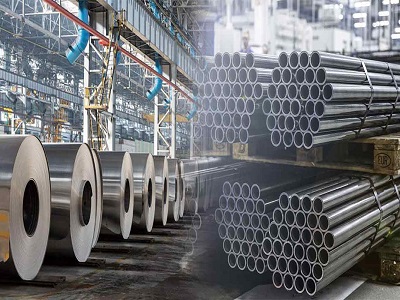
Hastelloy Prices Trend, News, Monitor, Analysis, Supply & Demand | ChemAnalyst

Hastelloy prices have long been a topic of interest within industrial circles due to the unique properties and applications of this corrosion-resistant alloy. Hastelloy, a trademarked name by Haynes International, encompasses a group of high-performance alloys primarily composed of nickel, molybdenum, chromium, and other elements. These alloys are renowned for their exceptional resistance to a wide range of corrosive environments, including acids, oxidizers, and reducing agents. As a result, Hastelloy finds extensive use in industries such as chemical processing, oil and gas, aerospace, and pharmaceuticals, where equipment must withstand harsh operating conditions.

Several factors influence Hastelloy prices, making them subject to fluctuations over time. One of the primary drivers is the cost of raw materials, particularly nickel and molybdenum, which are essential components of Hastelloy alloys. The global market demand and supply dynamics for these metals play a crucial role in determining their prices, thereby impacting the overall cost of Hastelloy. Economic factors, geopolitical events, and environmental regulations can also influence the availability and cost of raw materials, leading to price volatility.

Moreover, the manufacturing process of Hastelloy involves specialized techniques such as vacuum melting, hot or cold working, and precise alloying to achieve the desired mechanical and corrosion-resistant properties. These processes contribute significantly to the production costs, exerting upward pressure on Hastelloy prices. Additionally, quality control measures and adherence to stringent industry standards further add to the manufacturing expenses, reflecting in the final pricing of Hastelloy products.

Get Real Time prices of Hastelloy: https://www.chemanalyst.com/Pricing-data/hastelloy-1372

Furthermore, market dynamics, including supply chain disruptions, geopolitical tensions, and shifts in consumer preferences, can impact the demand for Hastelloy alloys, thereby influencing their prices. For instance, increased infrastructure development projects or growing investments in chemical processing industries can drive demand for corrosion-resistant materials like Hastelloy, leading to price appreciation. Conversely, economic downturns or slowdowns in key end-user industries may suppress demand, resulting in downward pressure on prices.

The competitive landscape within the Hastelloy market also plays a pivotal role in determining pricing strategies. Various manufacturers and suppliers vie for market share by offering differentiated products, customized solutions, and competitive pricing. Pricing strategies may vary based on factors such as brand reputation, product quality, service offerings, and geographical reach. Additionally, technological advancements and innovation in alloy development and processing techniques can influence pricing dynamics within the Hastelloy market.

Moreover, global trade dynamics and currency fluctuations can impact the competitiveness of Hastelloy prices in different regions. Exchange rate fluctuations between major currencies, trade policies, tariffs, and duties can affect the cost of imported Hastelloy products, thereby influencing pricing decisions and market competitiveness. Local market conditions, including regulatory frameworks, taxation policies, and distribution channels, also contribute to variations in Hastelloy prices across different regions.

Despite the complexities and challenges associated with pricing Hastelloy alloys, customers can adopt various strategies to mitigate risks and optimize procurement decisions. Engaging in long-term contracts or partnerships with reliable suppliers can provide stability and potentially favorable pricing terms. Additionally, diversifying sourcing channels, monitoring market trends, and staying informed about industry developments can help customers make informed decisions and navigate pricing fluctuations effectively.

In conclusion, Hastelloy prices are influenced by a myriad of factors, including raw material costs, manufacturing processes, market dynamics, competitive pressures, and global trade dynamics. Understanding these factors and their interplay is essential for stakeholders to anticipate price movements, mitigate risks, and make informed decisions. By staying proactive and adopting strategic procurement practices, customers can effectively manage Hastelloy pricing volatility and ensure the availability of corrosion-resistant solutions for their critical applications.

Get Real Time prices of Hastelloy: https://www.chemanalyst.com/Pricing-data/hastelloy-1372

Contact Us:

ChemAnalyst

GmbH – S-01, 2.floor, Subbelrather Straße,

15a Cologne, 50823, Germany

Call: +49-221-6505-8833

Email: sales@chemanalyst.com

Website: https://www.chemanalyst.com

Halo Butyl Rubber Prices Trend, News, Monitor, Analysis, Supply & Demand | ChemAnalyst

Halo Butyl Rubber Prices have been subject to fluctuation in recent times, influenced by various market factors and global economic dynamics. Butyl rubber, known for its exceptional impermeability to gases, weather resistance, and damping properties, finds extensive applications across industries such as automotive, construction, healthcare, and consumer goods. The pricing of halo butyl rubber is impacted by supply and demand dynamics, raw material costs, geopolitical factors, and technological advancements in manufacturing processes.

One of the primary drivers affecting halo butyl rubber prices is the supply-demand balance. As demand for butyl rubber grows across diverse sectors, including tire manufacturing, automotive components, and pharmaceutical packaging, the availability of raw materials becomes crucial. Any disruptions in the supply chain, such as natural disasters or geopolitical tensions in regions where butyl rubber is sourced, can lead to price volatility.

Moreover, fluctuations in crude oil prices significantly influence the cost of raw materials required for butyl rubber production. Butyl rubber is derived from petroleum feedstocks, and thus, any fluctuations in oil prices directly impact the production costs. Additionally, the availability of alternative sources of synthetic rubber and natural rubber can also impact the pricing dynamics of halo butyl rubber.

Get Real Time prices of Halo Butyl Rubber: https://www.chemanalyst.com/Pricing-data/halo-butyl-rubber-1112

Global economic conditions play a pivotal role in determining the pricing trends of halo butyl rubber. Economic growth or downturns in key markets, such as China, the United States, and Europe, directly impact the demand for butyl rubber-based products. During periods of economic expansion, increased industrial activity and infrastructure development drive the demand for butyl rubber, leading to price escalation. Conversely, economic slowdowns can dampen demand, resulting in downward pressure on prices.

Technological advancements in manufacturing processes also influence halo butyl rubber prices. Innovations aimed at improving production efficiency, enhancing product quality, and reducing environmental impact can affect overall production costs. Investments in research and development to develop novel formulations or manufacturing techniques may initially lead to higher costs but can eventually result in cost savings and competitive pricing.

Furthermore, regulatory factors play a significant role in shaping the pricing landscape of halo butyl rubber. Environmental regulations governing emissions, waste disposal, and chemical usage can impact production processes and costs. Compliance with stringent regulatory standards may necessitate investments in pollution control measures or adoption of eco-friendly production technologies, which can influence pricing.

Market competition among manufacturers and suppliers also affects halo butyl rubber prices. The presence of multiple players vying for market share can lead to price competition, especially in regions with excess production capacity. Price wars or aggressive marketing strategies aimed at capturing market share can result in temporary price reductions, benefiting consumers but impacting profit margins for producers.

Moreover, currency fluctuations and trade policies can impact the competitiveness of halo butyl rubber prices in the global market. Exchange rate movements affect the cost of imported raw materials and equipment, as well as the competitiveness of exports. Trade tariffs and barriers imposed by governments can disrupt supply chains and lead to price distortions in international markets.

In conclusion, halo butyl rubber prices are influenced by a complex interplay of factors, including supply-demand dynamics, raw material costs, economic conditions, technological advancements, regulatory requirements, market competition, currency fluctuations, and trade policies. Understanding these dynamics is essential for stakeholders in the rubber industry to make informed decisions regarding pricing strategies, supply chain management, and investment priorities. As the global economy evolves and technology continues to advance, the pricing landscape of halo butyl rubber is likely to witness ongoing changes and challenges, necessitating adaptability and innovation within the industry.

Get Real Time prices of Halo Butyl Rubber: https://www.chemanalyst.com/Pricing-data/halo-butyl-rubber-1112

Contact Us:

ChemAnalyst

GmbH – S-01, 2.floor, Subbelrather Straße,

15a Cologne, 50823, Germany

Call: +49-221-6505-8833

Email: sales@chemanalyst.com

Website: https://www.chemanalyst.com
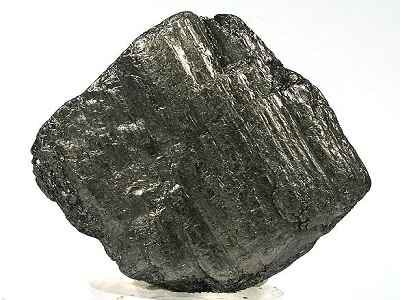
Graphite Prices Trend, News, Monitor, Analysis, Supply & Demand | ChemAnalyst

Graphite prices have witnessed significant fluctuations in recent years, influenced by various factors ranging from supply and demand dynamics to technological advancements and environmental concerns. As a critical component in numerous industries, including steelmaking, lithium-ion batteries, and electronics, graphite plays a pivotal role in driving modern technological advancements. The surge in demand for electric vehicles (EVs) and renewable energy storage solutions has particularly intensified the spotlight on graphite, given its indispensable role in lithium-ion battery production. This heightened demand, coupled with supply constraints, has led to notable price spikes in graphite markets.

Supply-side dynamics significantly impact graphite prices, with China dominating the global graphite production landscape. Environmental regulations and supply chain disruptions in China, a major graphite exporter, have contributed to supply uncertainties, consequently influencing global graphite prices. Additionally, the complex process involved in graphite extraction and refining poses challenges, further exacerbating supply constraints.

On the demand side, the burgeoning electric vehicle market has emerged as a primary driver of graphite demand. With governments worldwide incentivizing the shift towards electric mobility to combat climate change, the demand for graphite for lithium-ion batteries used in EVs is poised to escalate further. Furthermore, advancements in energy storage technologies, driven by the need for renewable energy integration and grid stability, have bolstered graphite demand for stationary storage applications.

The quality and purity of graphite also influence its pricing dynamics. High-quality, large-flake graphite commands premium prices due to its superior performance characteristics, especially in battery applications. Conversely, lower-grade graphite, while more abundant, finds applications in traditional industries like steelmaking and refractories, with pricing reflecting its relative abundance and utility.

Get Real Time prices of Graphite: https://www.chemanalyst.com/Pricing-data/graphite-1433

Market sentiment and investor speculation further contribute to graphite price volatility. As industries and investors alike anticipate future demand trends and technological advancements, market dynamics can experience rapid shifts, impacting graphite prices in the process. Factors such as geopolitical tensions, trade policies, and macroeconomic conditions also influence investor confidence and market sentiment, thereby affecting graphite prices.

Technological advancements and innovations in graphite processing and purification techniques have the potential to influence market dynamics and pricing trends. Improved extraction methods, enhanced purification processes, and innovations in graphite anode production for lithium-ion batteries can contribute to cost reductions and supply stabilization, ultimately impacting graphite prices.

Environmental considerations also play a crucial role in shaping graphite pricing dynamics. As sustainability becomes increasingly important across industries, environmentally friendly and ethically sourced graphite is gaining traction. Companies are under pressure to ensure responsible sourcing practices, which may entail higher production costs, subsequently affecting graphite prices.

Moreover, the interplay between graphite and other critical minerals, such as lithium and cobalt, further complicates pricing dynamics. These minerals often coexist in lithium-ion batteries, creating intricate supply chain dependencies and pricing interdependencies. Changes in the availability or pricing of one mineral can ripple across the entire supply chain, influencing graphite prices in tandem.

Looking ahead, graphite prices are likely to remain influenced by a confluence of factors, including evolving demand trends, supply dynamics, technological advancements, and environmental considerations. As industries continue to innovate and adapt to meet the challenges of a rapidly changing world, the graphite market will undoubtedly experience shifts and fluctuations, underscoring the need for stakeholders to remain vigilant and responsive to emerging trends and developments. In this dynamic landscape, understanding the multifaceted drivers of graphite prices is paramount for businesses, investors, and policymakers alike to navigate effectively and capitalize on opportunities in the graphite market.

mpact glucosamine prices, with discounts, coupons, and loyalty programs influencing consumer purchasing behavior. Manufacturers may leverage promotional campaigns to stimulate sales, clear inventory, or introduce new products to the market. Seasonal promotions and holiday sales events can also influence pricing dynamics, with consumers often capitalizing on discounted prices during peak shopping periods.

Consumer perceptions of value and efficacy play a pivotal role in determining willingness to pay for glucosamine supplements. Brand reputation, product reviews, and endorsements from healthcare professionals can influence consumer trust and confidence in a product’s effectiveness. Manufacturers may adjust prices to align with perceived value propositions, with premium-priced products targeting consumers seeking reassurance of quality and reliability.

In conclusion, glucosamine prices are influenced by a multitude of factors, including raw material costs, market demand, supply chain dynamics, competition among suppliers, retail channels, promotional activities, and consumer perceptions of value. Understanding these factors can empower consumers to make informed purchasing decisions, balancing considerations of price, quality, and efficacy when selecting glucosamine supplements to support their joint health and well-being.

Get Real Time prices of Graphite: https://www.chemanalyst.com/Pricing-data/graphite-1433

Contact Us:

ChemAnalyst

GmbH – S-01, 2.floor, Subbelrather Straße,

15a Cologne, 50823, Germany

Call: +49-221-6505-8833

Email: sales@chemanalyst.com

Website: https://www.chemanalyst.com

Glucosamine Prices Trend, News, Monitor, Analysis, Supply & Demand | ChemAnalyst

Glucosamine prices fluctuate due to various factors, including market demand, production costs, and competition among suppliers. Understanding the dynamics behind these fluctuations can help consumers make informed decisions when purchasing this popular supplement. Glucosamine, a compound naturally found in the human body, is widely used to support joint health and alleviate symptoms of osteoarthritis. Its popularity has led to a proliferation of products in the market, ranging from pills and capsules to powders and liquid formulations.

One significant factor influencing glucosamine prices is the source of the compound. Glucosamine can be derived from shellfish, such as shrimp, crab, and lobster, or from non-animal sources like fungi. The extraction process for animal-derived glucosamine can be more labor-intensive and costly, contributing to higher prices compared to plant-based alternatives. Additionally, factors such as the quality of raw materials and the extraction method employed can impact production costs and, consequently, retail prices.

Market demand plays a crucial role in determining glucosamine prices, with fluctuations often tied to consumer preferences and health trends. As awareness of joint health and osteoarthritis management continues to grow, so does the demand for glucosamine supplements. Manufacturers may adjust prices in response to shifts in consumer demand, seasonal variations, or promotional activities. Moreover, the availability of competing products and the level of brand recognition can influence pricing strategies within the market.

Get Real Time prices of Glucosamine: https://www.chemanalyst.com/Pricing-data/glucosamine-1287

Supply chain dynamics also affect glucosamine prices, particularly factors such as transportation costs, raw material availability, and regulatory requirements. Global sourcing of raw materials and manufacturing processes can introduce volatility into pricing structures due to currency fluctuations and geopolitical factors. Additionally, quality control measures and compliance with regulatory standards may add overhead costs that are passed on to consumers.

Competition among suppliers is another driving force behind glucosamine pricing. With numerous brands vying for market share, pricing strategies often revolve around factors such as product differentiation, brand reputation, and promotional incentives. Some manufacturers may offer premium-priced products with added ingredients or enhanced formulations, targeting consumers willing to pay a premium for perceived benefits. Conversely, budget-friendly options may appeal to price-sensitive consumers, leading to competitive pricing strategies within the market.

Retail channels also influence glucosamine prices, with variations observed between brick-and-mortar stores, online retailers, and specialty health shops. Pricing strategies may differ based on distribution agreements, volume discounts, and overhead costs associated with each retail channel. Online platforms, in particular, have become increasingly popular for purchasing health supplements due to convenience and competitive pricing, exerting pressure on traditional retail outlets to remain competitive.

Promotional activities and marketing strategies can impact glucosamine prices, with discounts, coupons, and loyalty programs influencing consumer purchasing behavior. Manufacturers may leverage promotional campaigns to stimulate sales, clear inventory, or introduce new products to the market. Seasonal promotions and holiday sales events can also influence pricing dynamics, with consumers often capitalizing on discounted prices during peak shopping periods.

Consumer perceptions of value and efficacy play a pivotal role in determining willingness to pay for glucosamine supplements. Brand reputation, product reviews, and endorsements from healthcare professionals can influence consumer trust and confidence in a product’s effectiveness. Manufacturers may adjust prices to align with perceived value propositions, with premium-priced products targeting consumers seeking reassurance of quality and reliability.

In conclusion, glucosamine prices are influenced by a multitude of factors, including raw material costs, market demand, supply chain dynamics, competition among suppliers, retail channels, promotional activities, and consumer perceptions of value. Understanding these factors can empower consumers to make informed purchasing decisions, balancing considerations of price, quality, and efficacy when selecting glucosamine supplements to support their joint health and well-being.

Get Real Time prices of Glucosamine: https://www.chemanalyst.com/Pricing-data/glucosamine-1287

Contact Us:

ChemAnalyst

GmbH – S-01, 2.floor, Subbelrather Straße,

15a Cologne, 50823, Germany

Call: +49-221-6505-8833

Email: sales@chemanalyst.com

Website: https://www.chemanalyst.com

GGBFS Prices Trend, News, Monitor, Analysis, Supply & Demand | ChemAnalyst

Ground Granulated Blast Furnace Slag (GGBFS) prices have been subject to fluctuations in recent years due to various factors impacting the construction and steel industries. GGBFS, a byproduct of the steel-making process, has garnered attention for its eco-friendly properties and its effectiveness as a supplementary cementitious material in concrete production. The pricing dynamics of GGBFS are influenced by several key factors, including raw material costs, demand-supply dynamics, transportation expenses, and regulatory policies.

One significant factor affecting GGBFS prices is the availability and cost of raw materials used in its production. Blast furnace slag, the primary raw material for GGBFS, is obtained from the steel industry. Fluctuations in steel production levels and the availability of blast furnace slag can directly impact GGBFS prices. Additionally, factors such as energy prices and regulatory requirements for slag disposal can influence the overall cost structure of GGBFS production, subsequently affecting its pricing in the market.

Moreover, demand-supply dynamics play a crucial role in determining GGBFS prices. The construction industry is a major consumer of GGBFS, utilizing it as a sustainable alternative to traditional cement in concrete mixes. As construction activity fluctuates due to economic conditions, infrastructure projects, and housing demands, the demand for GGBFS can vary significantly. This fluctuation in demand relative to the available supply can lead to changes in GGBFS prices over time.

Get Real Time prices of Ground Granulated Blast Furnace Slag (GGBFS): https://www.chemanalyst.com/Pricing-data/ggbfs-1307

Transportation expenses also contribute to the overall cost of GGBFS and consequently impact its pricing. GGBFS is often transported over long distances from steel plants to concrete production facilities or construction sites. Fluctuations in fuel prices, transportation infrastructure, and logistics efficiency can affect the transportation costs associated with GGBFS, thereby influencing its final price to end-users.

Furthermore, regulatory policies and environmental standards can impact GGBFS prices. The utilization of GGBFS is often encouraged or mandated by regulations aimed at promoting sustainable construction practices and reducing carbon emissions. Changes in environmental regulations, such as carbon pricing mechanisms or emissions standards, can influence the production costs of GGBFS and, consequently, its market price. Additionally, policies related to trade tariffs or import/export regulations can also affect the availability and pricing of GGBFS in different regions.

In summary, GGBFS prices are influenced by a complex interplay of factors including raw material costs, demand-supply dynamics, transportation expenses, and regulatory policies. Understanding these factors is crucial for stakeholders in the construction and concrete industries to anticipate and respond to changes in GGBFS pricing. Moreover, as sustainability continues to gain prominence in construction practices, the demand for GGBFS is likely to remain strong, albeit subject to market dynamics and regulatory developments.

Get Real Time prices of Ground Granulated Blast Furnace Slag (GGBFS): https://www.chemanalyst.com/Pricing-data/ggbfs-1307

Contact Us:

ChemAnalyst

GmbH – S-01, 2.floor, Subbelrather Straße,

15a Cologne, 50823, Germany

Call: +49-221-6505-8833

Email: sales@chemanalyst.com

Website: https://www.chemanalyst.com

Gelatin Prices Trend, News, Monitor, Analysis, Supply & Demand | ChemAnalyst

Gelatin prices have experienced fluctuations in recent years due to a myriad of factors impacting its production and demand dynamics. As a key ingredient in various industries, including food, pharmaceuticals, cosmetics, and photography, gelatin plays a crucial role in product formulation and manufacturing processes. The pricing of gelatin is influenced by several factors, including raw material costs, supply chain disruptions, technological advancements, and shifting consumer preferences.

One significant factor affecting gelatin prices is the availability and cost of raw materials, primarily derived from collagen-rich animal by-products such as bones, skins, and connective tissues. Fluctuations in livestock populations, changes in meat consumption patterns, and environmental factors affecting animal health can all impact the availability and cost of these raw materials. Additionally, geopolitical events, trade policies, and regulatory changes related to animal by-product sourcing can introduce uncertainties in the supply chain, leading to price volatility.

Supply chain disruptions, such as transportation challenges, labor shortages, and natural disasters, can also influence gelatin prices by affecting production capacity and distribution networks. For instance, disruptions in logistics and shipping routes can lead to delays in raw material deliveries or finished product shipments, resulting in temporary shortages or imbalances between supply and demand. These disruptions can exert upward pressure on prices as manufacturers seek to cover increased production costs or secure alternative supply sources.

Get Real Time prices of Gelatin: https://www.chemanalyst.com/Pricing-data/gelatin-1487

Technological advancements in gelatin production processes have the potential to impact prices by improving efficiency, reducing waste, and enhancing product quality. Innovations such as enzyme-assisted extraction methods, advanced filtration techniques, and process automation can lower production costs and increase yields, thereby exerting downward pressure on prices. However, the initial investment required to adopt these technologies and the time it takes for them to become commercially viable can influence the pace at which they impact gelatin prices.

Consumer preferences and market trends also play a crucial role in shaping gelatin prices, particularly in the food and beverage industry. Growing demand for clean label products, plant-based alternatives, and sustainable sourcing practices has prompted manufacturers to explore substitutes for animal-derived gelatin, such as agar-agar, pectin, and carrageenan. While these alternatives may offer environmental and ethical advantages, they often come at a higher cost, which can translate into higher prices for gelatin-containing products.

Moreover, regulatory requirements and quality standards imposed by governing bodies, such as the Food and Drug Administration (FDA) in the United States and the European Food Safety Authority (EFSA) in the European Union, can impact gelatin prices by necessitating compliance measures and quality assurance protocols. Manufacturers may incur additional costs related to testing, certification, and documentation to ensure product safety and regulatory compliance, which can contribute to higher overall production costs and, consequently, higher prices for gelatin-based products.

Gelatin prices are subject to various internal and external factors that influence supply, demand, and production costs. While raw material availability, supply chain disruptions, and technological advancements can introduce price volatility, consumer preferences, market trends, and regulatory requirements also play pivotal roles in shaping pricing dynamics. As industries continue to evolve and innovate, the future trajectory of gelatin prices will likely be influenced by a combination of these factors, highlighting the importance of adaptability and strategic planning for businesses operating in gelatin-related sectors.

Get Real Time prices of Gelatin: https://www.chemanalyst.com/Pricing-data/gelatin-1487

Contact Us:

ChemAnalyst

GmbH – S-01, 2.floor, Subbelrather Straße,

15a Cologne, 50823, Germany

Call: +49-221-6505-8833

Email: sales@chemanalyst.com

Website: https://www.chemanalyst.com

Fatty Alcohol Prices Trend, News, Monitor, Analysis, Supply & Demand | ChemAnalyst

Fatty Alcohols prices are essential ingredients widely used in various industries, including cosmetics, pharmaceuticals, and household products. These alcohols, derived from natural fats and oils, serve multiple purposes due to their emollient, thickening, and moisturizing properties. In recent times, the prices of fatty alcohols have been subject to fluctuations influenced by several factors within the global market dynamics.

One of the primary determinants affecting fatty alcohol prices is the supply-demand balance. As with any commodity, when demand outweighs supply, prices tend to rise, and vice versa. Factors such as changes in consumer preferences, shifts in manufacturing practices, and economic conditions of major producing regions can significantly impact the availability of fatty alcohols. For instance, a surge in demand for personal care products containing fatty alcohols may lead to an increase in prices if manufacturers struggle to meet the sudden uptick in orders.

Moreover, the cost of raw materials plays a crucial role in determining the final price of fatty alcohols. Since these alcohols are derived from natural sources like coconut oil, palm oil, or petrochemicals, any fluctuations in the prices of these inputs can directly affect the overall production cost. Environmental factors, geopolitical tensions, and government policies regarding the cultivation and trade of these raw materials further contribute to price volatility.

Get Real Time prices of Fatty Alcohols: https://www.chemanalyst.com/Pricing-data/fatty-alcohol-1084

Furthermore, transportation and logistics expenses impact the final price of fatty alcohols. These alcohols are often produced in specific regions and then transported to various manufacturing facilities worldwide. Fluctuations in fuel prices, changes in trade regulations, and disruptions in global shipping routes can all influence transportation costs, subsequently affecting the overall price structure.

The competitive landscape within the fatty alcohol industry also plays a significant role in price determination. With multiple manufacturers vying for market share, pricing strategies become crucial for maintaining competitiveness. Price wars among suppliers or the introduction of innovative production methods that lower costs can lead to price adjustments across the market.

Additionally, regulatory factors contribute to the pricing dynamics of fatty alcohols. Compliance with stringent quality standards, environmental regulations, and safety protocols adds to the production costs incurred by manufacturers. Investments in research and development to create sustainable production processes or meet evolving regulatory requirements also impact the final price tag of fatty alcohols.

Moreover, currency fluctuations in key trading regions can influence the pricing of fatty alcohols in the global market. Exchange rate movements, particularly in regions where significant production or consumption occurs, can directly affect import and export costs, subsequently reflecting on the prices offered to consumers.

In recent years, the increasing focus on sustainability and environmental responsibility has further shaped the pricing trends in the fatty alcohol industry. Consumers are increasingly inclined towards products that are ethically sourced, environmentally friendly, and produced using sustainable practices. Manufacturers responding to this demand may incur higher production costs associated with obtaining certifications, implementing eco-friendly technologies, or sourcing raw materials from certified sustainable suppliers. As a result, these additional expenses may be passed on to consumers in the form of higher prices for products containing fatty alcohols.

In conclusion, the pricing of fatty alcohols is influenced by a complex interplay of factors ranging from supply-demand dynamics and raw material costs to regulatory compliance and market competition. Understanding these drivers is crucial for businesses operating within the industry to effectively manage pricing strategies, navigate market fluctuations, and maintain profitability while meeting consumer demands for quality and sustainability.

Get Real Time prices of Fatty Alcohols: https://www.chemanalyst.com/Pricing-data/fatty-alcohol-1084

Contact Us:

ChemAnalyst

GmbH – S-01, 2.floor, Subbelrather Straße,

15a Cologne, 50823, Germany

Call: +49-221-6505-8833

Email: sales@chemanalyst.com

Website: https://www.chemanalyst.com

Poly Methyl Methacrylate Prices Trend, News, Monitor, Analysis, Supply & Demand | ChemAnalyst

Poly Methyl Methacrylate (PMMA) Prices, commonly known as acrylic or acrylic glass, is a versatile and widely used thermoplastic polymer. Its popularity stems from its exceptional transparency, impact resistance, and weatherability, making it an ideal substitute for glass in various applications. PMMA finds extensive use in industries ranging from automotive and construction to electronics and healthcare.

The pricing dynamics of PMMA are influenced by multiple factors, including raw material costs, demand-supply dynamics, energy prices, and market trends. The primary raw material for PMMA production is methyl methacrylate (MMA), which is derived from petroleum-based sources. Therefore, fluctuations in crude oil prices directly impact the cost of MMA, subsequently affecting PMMA prices. Additionally, the availability of MMA and other key raw materials, such as acetone and methanol, also plays a significant role in determining PMMA prices.

Market demand for PMMA is another crucial factor driving price variations. As PMMA finds applications in diverse industries, including automotive components, signage, lighting fixtures, and medical devices, fluctuations in demand from these sectors can lead to price fluctuations. For instance, increased demand from the automotive industry for PMMA-based components may result in higher prices due to supply constraints or increased production costs.

Get Real Time prices of Poly Methyl Methacrylate (PMMA) : https://www.chemanalyst.com/Pricing-data/polymethyl-methacrylate-50

Moreover, global economic conditions and geopolitical factors can influence PMMA prices. Economic downturns may lead to reduced demand for PMMA-based products, prompting manufacturers to adjust prices to maintain competitiveness. Similarly, trade policies, tariffs, and currency exchange rates can impact the cost of importing/exporting PMMA and its raw materials, affecting overall pricing dynamics.

Environmental regulations and sustainability initiatives also play a growing role in PMMA pricing. As awareness of environmental issues increases, there is a growing demand for eco-friendly alternatives to traditional plastics. This has led to the development of bio-based PMMA and recycling initiatives. However, these sustainable alternatives may come at a higher production cost, thereby affecting PMMA prices.

Furthermore, technological advancements and innovations in PMMA production processes can influence prices. Improvements in manufacturing efficiency, recycling technologies, and alternative feedstocks can lead to cost savings for producers, which may be passed on to consumers through lower prices. Conversely, investments in research and development or compliance with regulatory standards may increase production costs, exerting upward pressure on prices.

In recent years, the PMMA market has witnessed significant growth, driven by the increasing demand for lightweight and durable materials across various industries. However, the COVID-19 pandemic has introduced unprecedented challenges, disrupting supply chains, reducing demand, and causing price volatility. While the pandemic initially led to a decrease in PMMA prices due to reduced demand and disrupted production, the gradual recovery of economies and resurgence in industrial activities have fueled a rebound in prices.

Looking ahead, PMMA prices are expected to remain influenced by a myriad of factors, including economic conditions, technological advancements, regulatory developments, and market dynamics. As industries continue to innovate and adapt to evolving consumer preferences and sustainability concerns, the demand for PMMA and its pricing landscape are likely to undergo further changes. Therefore, stakeholders in the PMMA supply chain must remain vigilant and adaptable to navigate the complexities of the market and ensure competitiveness in pricing strategies.

Get Real Time prices of Poly Methyl Methacrylate (PMMA) : https://www.chemanalyst.com/Pricing-data/polymethyl-methacrylate-50

Contact Us:

ChemAnalyst

GmbH – S-01, 2.floor, Subbelrather Straße,

15a Cologne, 50823, Germany

Call: +49-221-6505-8833

Email: sales@chemanalyst.com

Website: https://www.chemanalyst.com