Nonylphenol Ethoxylates Prices Trend, News, Monitor, Supply & Demand, Forecast | ChemAnalyst

Nonylphenol ethoxylates (NPEs) Prices are surfactants commonly used in various industrial applications, including detergents, paints, and textiles. The pricing dynamics of NPEs are influenced by several factors, ranging from raw material costs to market demand and regulatory changes. Understanding these factors is crucial for businesses operating in industries reliant on NPEs.

One significant factor affecting NPE prices is the cost of raw materials. NPEs are typically derived from nonylphenol and ethylene oxide. Fluctuations in the prices of these raw materials directly impact the overall production cost of NPEs. For instance, changes in crude oil prices, as ethylene oxide is derived from petroleum, can significantly influence the cost of ethylene oxide and, consequently, NPEs. Similarly, the availability and cost of nonylphenol, often sourced from petrochemicals or natural oils, play a pivotal role in determining NPE prices.

Market demand also plays a crucial role in shaping NPE prices. Industries such as textiles, where NPEs are extensively used as emulsifiers and wetting agents, can significantly impact demand. Economic factors, such as growth in textile manufacturing sectors in emerging economies or shifts in consumer preferences towards eco-friendly products, can drive fluctuations in demand and subsequently affect prices. Additionally, the seasonal nature of certain industries, like agriculture, can lead to variations in demand for NPE-based products, influencing pricing trends.

Get Real Time Prices of Nonylphenol Ethoxylates: https://www.chemanalyst.com/Pricing-data/nonylphenol-ethoxylates-1255

Regulatory changes and environmental concerns are increasingly influencing the pricing dynamics of NPEs. Due to their persistence in the environment and potential adverse effects on aquatic life, many countries have imposed restrictions or bans on the use of NPEs. Compliance with stringent environmental regulations often requires manufacturers to invest in alternative formulations or processes, which can increase production costs and, consequently, prices. Moreover, heightened awareness of environmental issues among consumers has led to a growing demand for eco-friendly alternatives, further impacting the market dynamics and pricing of NPE-based products.

Global market trends and geopolitical factors also contribute to the volatility of NPE prices. Factors such as currency fluctuations, trade policies, and geopolitical tensions can disrupt the supply chain and affect the availability and cost of NPEs. Additionally, market dynamics in key producing regions, such as China, which is a major manufacturer of NPEs, can influence global pricing trends. Shifts in production capacities, trade agreements, or geopolitical events in these regions can have ripple effects on NPE prices worldwide.

In conclusion, the pricing of nonylphenol ethoxylates is subject to various interrelated factors, including raw material costs, market demand, regulatory changes, and global market dynamics. Businesses operating in industries reliant on NPEs must closely monitor these factors to anticipate price fluctuations and mitigate risks. Moreover, the increasing focus on sustainability and environmental regulations underscores the importance of developing eco-friendly alternatives and adopting responsible manufacturing practices. By staying abreast of market trends and embracing innovation, businesses can navigate the complex pricing landscape of NPEs and ensure competitiveness in their respective industries.

Contact Us:

ChemAnalyst

GmbH – S-01, 2.floor, Subbelrather Straße,

15a Cologne, 50823, Germany

Call: +49-221-6505-8833

Email: sales@chemanalyst.com

Website: https://www.chemanalyst.com

Nonyl Phenol Prices Trend, News, Monitor, Supply & Demand, Forecast | ChemAnalyst

Nonyl Phenol Prices, a compound extensively used in industrial applications, has witnessed fluctuations in its pricing dynamics over recent years, influenced by various factors spanning global demand-supply dynamics, regulatory changes, and economic trends. Understanding the intricacies of nonyl phenol pricing is crucial for industries reliant on this chemical, including plastics, textiles, and detergents.

One of the primary determinants of nonyl phenol prices is its production and supply chain. Nonyl phenol is predominantly manufactured through the alkylation of phenol with nonene, a process typically carried out by chemical plants. Any disruptions or changes in the availability of raw materials, such as phenol or nonene, can directly impact production costs, subsequently reflecting in the pricing of nonyl phenol. Fluctuations in crude oil prices, given its role in the production of key raw materials, also exert a notable influence on nonyl phenol pricing trends.

Moreover, regulatory interventions play a pivotal role in shaping nonyl phenol prices. Environmental concerns have led to increased scrutiny over the use of nonyl phenol due to its potential toxicity and persistence in the environment. Regulatory bodies worldwide have imposed restrictions on the usage of nonyl phenol in various applications, particularly in consumer products and industrial processes with significant environmental footprints. Compliance with stringent regulations often entails investments in cleaner production technologies or alternative chemicals, which can escalate production costs and subsequently contribute to higher prices for nonyl phenol.

Get Real Time Prices of Nonyl Phenol: https://www.chemanalyst.com/Pricing-data/nonyl-phenol-1464

Furthermore, market demand dynamics significantly impact nonyl phenol pricing. Industries such as plastics, textiles, and paints rely heavily on nonyl phenol as a precursor in the manufacturing process. Shifts in consumer preferences, technological advancements, and economic growth or downturns can all influence the demand for products reliant on nonyl phenol. For instance, rapid industrialization in emerging economies may fuel demand for nonyl phenol-based products, driving up prices due to increased competition for limited supply.

On the global scale, trade dynamics also play a crucial role in nonyl phenol pricing. Countries with significant production capacities often serve as key exporters, while others rely on imports to meet domestic demand. Trade tariffs, geopolitical tensions, and currency fluctuations can all impact the cost of importing or exporting nonyl phenol, consequently affecting its prices in local markets.

Moreover, the competitive landscape within the chemical industry contributes to pricing volatility. Nonyl phenol manufacturers compete not only on price but also on product quality, innovation, and sustainability. Pricing strategies employed by key players in the market can influence overall price levels, with aggressive pricing tactics sometimes leading to price wars or market consolidation.

In recent years, sustainability concerns have increasingly shaped nonyl phenol pricing dynamics. With growing awareness of environmental and health impacts, consumers and businesses alike are seeking alternatives to traditional chemical products. This shift towards eco-friendly alternatives has prompted some manufacturers to invest in the development of bio-based or less toxic substitutes for nonyl phenol. While such initiatives align with sustainability goals, they may initially entail higher production costs, which could translate into higher prices for eco-friendly nonyl phenol alternatives.

In conclusion, nonyl phenol prices are subject to a myriad of factors ranging from production and supply chain dynamics to regulatory interventions, market demand, trade dynamics, and competitive pressures. Understanding these factors is essential for stakeholders in industries reliant on nonyl phenol, enabling them to navigate pricing fluctuations and make informed decisions regarding procurement, production, and product pricing strategies. Moreover, as sustainability concerns continue to shape the chemical industry landscape, innovations in cleaner production technologies and eco-friendly alternatives are likely to influence nonyl phenol pricing trends in the years to come.

Get Real Time Prices of Nonyl Phenol: https://www.chemanalyst.com/Pricing-data/nonyl-phenol-1464

Contact Us:

ChemAnalyst

GmbH – S-01, 2.floor, Subbelrather Straße,

15a Cologne, 50823, Germany

Call: +49-221-6505-8833

Email: sales@chemanalyst.com

Website: https://www.chemanalyst.com

Non Woven Fabric Prices Trend, News, Monitor, Supply & Demand, Forecast | ChemAnalyst

Non-Woven Fabric prices are influenced by a myriad of factors, ranging from raw material costs to manufacturing processes and market demand. Understanding these dynamics is crucial for businesses operating within the non-woven fabric industry. Raw material prices, such as polyester, polypropylene, or rayon, play a significant role in determining the overall cost of non-woven fabrics. Fluctuations in the prices of these materials, often driven by factors like global supply and demand or changes in oil prices for petroleum-based materials, directly impact the final product cost. Additionally, advancements in manufacturing technologies can affect pricing structures. Innovations that streamline production processes or enhance efficiency may lead to cost savings, thus influencing the pricing of non-woven fabrics.

Moreover, market demand is a key driver of non-woven fabric prices. Industries such as healthcare, automotive, construction, and agriculture are significant consumers of non-woven fabrics for various applications including medical masks, automotive interiors, geotextiles, and crop protection, among others. Shifts in demand within these sectors can impact prices as suppliers adjust production volumes to meet changing market needs. For instance, during the COVID-19 pandemic, the surge in demand for personal protective equipment (PPE) led to a corresponding increase in prices for non-woven fabrics used in manufacturing face masks and medical gowns.

Get Real Time Prices of Non-Woven Fabric: https://www.chemanalyst.com/Pricing-data/non-woven-fabric-1089

Furthermore, geographical factors can also influence non-woven fabric prices. Manufacturing costs, including labor, energy, and regulatory compliance, vary across regions, leading to disparities in pricing. For example, non-woven fabrics produced in countries with lower labor costs or less stringent environmental regulations may be priced competitively compared to those manufactured in regions with higher production expenses. Additionally, transportation costs associated with shipping raw materials and finished products can impact prices, particularly for international trade.

In recent years, sustainability concerns have emerged as a significant factor influencing non-woven fabric prices. With growing awareness of environmental issues, there is a rising demand for eco-friendly alternatives to traditional non-woven fabrics, which are often made from petroleum-based materials and can contribute to pollution and waste. As a result, manufacturers are investing in research and development of sustainable materials such as biodegradable polymers or recycled fibers, which may come at a higher cost but appeal to environmentally conscious consumers and businesses.

Moreover, regulatory factors can also affect non-woven fabric prices. Compliance with quality standards, safety regulations, and import/export tariffs adds to the production costs, which are eventually reflected in the pricing of non-woven fabrics. Changes in trade policies or imposition of tariffs on imported raw materials can further impact prices by altering supply chain dynamics and production costs.

In response to these multifaceted influences, businesses in the non-woven fabric industry employ various strategies to manage pricing dynamics. This may include diversifying sourcing channels to mitigate risks associated with fluctuations in raw material prices or investing in efficiency improvements to enhance cost competitiveness. Additionally, fostering long-term partnerships with customers and suppliers can provide stability amidst market volatility, enabling businesses to navigate price fluctuations more effectively.

Overall, non-woven fabric prices are subject to a complex interplay of factors encompassing raw material costs, manufacturing technologies, market demand, geographical considerations, sustainability trends, and regulatory dynamics. By staying abreast of these influences and adopting proactive strategies, businesses can effectively manage pricing dynamics and maintain competitiveness in the dynamic non-woven fabric market landscape.

Get Real Time Prices of Non-Woven Fabric: https://www.chemanalyst.com/Pricing-data/non-woven-fabric-1089

Contact Us:

ChemAnalyst

GmbH – S-01, 2.floor, Subbelrather Straße,

15a Cologne, 50823, Germany

Call: +49-221-6505-8833

Email: sales@chemanalyst.com

Website: https://www.chemanalyst.com

N-Methyl Aniline Prices Trend, News, Monitor, Supply & Demand, Forecast | ChemAnalyst

N-Methyl Aniline prices an important chemical compound utilized in various industries, experiences fluctuations in its prices driven by a multitude of factors. Understanding these fluctuations is crucial for businesses reliant on this compound for their operations. Over recent years, the pricing dynamics of N-Methyl Aniline have been influenced by several key factors, including supply and demand dynamics, raw material costs, market competition, and regulatory changes.

Supply and demand dynamics play a significant role in determining the price of N-Methyl Aniline. As with any commodity, when demand outweighs supply, prices tend to rise, and conversely, when supply exceeds demand, prices typically fall. Factors such as industrial growth, technological advancements, and shifts in consumer preferences contribute to fluctuations in demand, thereby impacting prices. Similarly, disruptions in the supply chain, whether due to natural disasters, geopolitical tensions, or production issues, can lead to fluctuations in supply and consequently affect prices.

Raw material costs constitute another crucial determinant of N-Methyl Aniline prices. Since N-Methyl Aniline is synthesized from aniline, fluctuations in the price of aniline directly influence the cost of producing N-Methyl Aniline. Aniline, in turn, is derived from benzene, which is subject to its own price volatility driven by factors such as crude oil prices, global market demand, and regulatory changes. Therefore, any fluctuations in the prices of benzene or other raw materials used in the production process can have a ripple effect on the pricing of N-Methyl Aniline.

Market competition also plays a vital role in shaping the pricing landscape for N-Methyl Aniline. The presence of multiple suppliers competing for market share can lead to competitive pricing strategies aimed at attracting customers. Price wars and strategic pricing initiatives by key players in the market can exert downward pressure on prices, benefiting consumers but potentially squeezing profit margins for producers. Conversely, in situations where there are limited suppliers or barriers to entry for new competitors, pricing power may be concentrated among a few players, allowing them to dictate prices within the market.

Get Real Time Prices of N-Methyl Aniline: https://www.chemanalyst.com/Pricing-data/n-methyl-aniline-1371

Furthermore, regulatory changes and compliance requirements can impact N-Methyl Aniline prices. Environmental regulations, safety standards, and chemical regulations imposed by governments or industry bodies may necessitate investments in compliance measures or modifications to production processes, thereby influencing production costs. Additionally, changes in regulations governing the handling, storage, or transportation of N-Methyl Aniline can also affect operational costs for manufacturers and distributors, which may be passed on to customers through price adjustments.

In recent years, the prices of N-Methyl Aniline have witnessed fluctuations reflecting the interplay of these factors. For example, periods of robust industrial growth, particularly in sectors such as pharmaceuticals, agrochemicals, and dyes, have driven increased demand for N-Methyl Aniline, leading to upward pressure on prices. Conversely, economic downturns or disruptions such as the COVID-19 pandemic have dampened demand, resulting in price declines as producers seek to clear excess inventory.

Moreover, volatility in raw material prices, particularly benzene, has contributed to price instability for N-Methyl Aniline. Fluctuations in crude oil prices, supply chain disruptions, and geopolitical tensions have all contributed to erratic movements in benzene prices, which are then reflected in the pricing of N-Methyl Aniline. Similarly, competitive pressures within the market have led to pricing strategies aimed at gaining market share or maintaining profitability, further adding to price volatility.

Looking ahead, the pricing of N-Methyl Aniline is likely to continue to be influenced by these factors, alongside emerging trends such as sustainability initiatives, technological advancements, and geopolitical developments. Businesses operating in industries reliant on N-Methyl Aniline must remain vigilant to these dynamics, employing robust risk management strategies and forging strategic partnerships to navigate price fluctuations and ensure stability in their supply chains. By understanding the intricacies of pricing dynamics and staying abreast of market developments, stakeholders can effectively manage the impact of price fluctuations on their operations and ultimately drive sustainable growth in the long term.

Get Real Time Prices of N-Methyl Aniline: https://www.chemanalyst.com/Pricing-data/n-methyl-aniline-1371

Contact Us:

ChemAnalyst

GmbH – S-01, 2.floor, Subbelrather Straße,

15a Cologne, 50823, Germany

Call: +49-221-6505-8833

Email: sales@chemanalyst.com

Website: https://www.chemanalyst.com

Nitro Toluene Prices Trend, News, Monitor, Supply & Demand, Forecast | ChemAnalyst

Nitro Toluene prices have been subject to fluctuations in recent years, influenced by various factors within the chemical industry and broader economic trends. Understanding the dynamics behind these price shifts is crucial for businesses reliant on nitro toluene, a compound widely used in the production of explosives, dyes, and pharmaceuticals. The pricing of nitro toluene is intricately tied to the supply and demand dynamics of its raw materials, primarily benzene and nitric acid. Any disruptions in the supply chain of these precursors, such as changes in production capacities or raw material costs, can significantly impact the pricing of nitro toluene.

Market demand plays a pivotal role in determining nitro toluene prices. Industries such as explosives and dyes heavily rely on this compound, and any fluctuations in their demand directly influence its pricing. Additionally, the pharmaceutical sector’s demand for nitro toluene as a precursor in drug manufacturing further contributes to its market dynamics. Economic conditions and industrial activities in key consuming regions also affect demand, leading to price variations.

Global economic trends and geopolitical factors can exert substantial influence on nitro toluene prices. Shifts in international trade policies, currency fluctuations, and geopolitical tensions can disrupt supply chains, leading to price volatility. Moreover, regulatory changes, such as environmental regulations or safety standards, can impact production costs, thereby influencing pricing decisions within the nitro toluene market.

Technological advancements and innovations within the chemical industry can also affect nitro toluene prices. Improvements in production processes or the development of alternative compounds may alter the supply-demand dynamics, thereby influencing pricing trends. Additionally, investments in research and development aimed at enhancing the efficiency of nitro toluene production can impact its pricing structure.

Get Real Time Prices of Nitro Toluene: https://www.chemanalyst.com/Pricing-data/nitro-toluene-1312

Environmental considerations are increasingly shaping pricing dynamics within the chemical industry, including the nitro toluene market. Heightened awareness of environmental sustainability and regulations aimed at reducing emissions and waste disposal are prompting manufacturers to adopt cleaner production processes and invest in eco-friendly alternatives. These initiatives can impact production costs and, consequently, nitro toluene prices.

Market competition among manufacturers and suppliers also plays a significant role in determining nitro toluene prices. Pricing strategies employed by key players, including pricing agreements, discounts, and promotional offers, can influence market dynamics. Additionally, the entry of new players or the expansion of existing facilities can alter supply levels, thereby impacting prices.

Price forecasting and risk management strategies are essential for businesses operating within the nitro toluene market. Analyzing historical pricing data, monitoring market trends, and assessing risk factors can help businesses make informed decisions and mitigate potential losses associated with price fluctuations. Implementing hedging mechanisms, such as futures contracts or options, can provide protection against adverse price movements.

In conclusion, nitro toluene prices are subject to a multitude of factors, including supply and demand dynamics, economic trends, technological innovations, regulatory changes, environmental considerations, and market competition. Understanding these factors and their interplay is crucial for businesses seeking to navigate the complexities of the nitro toluene market and optimize their pricing strategies. By staying abreast of market developments and employing effective risk management strategies, businesses can better position themselves to adapt to changing market conditions and sustain long-term profitability.

Get Real Time Prices of Nitro Toluene: https://www.chemanalyst.com/Pricing-data/nitro-toluene-1312

Contact Us:

ChemAnalyst

GmbH – S-01, 2.floor, Subbelrather Straße,

15a Cologne, 50823, Germany

Call: +49-221-6505-8833

Email: sales@chemanalyst.com

Website: https://www.chemanalyst.com

Nitro Chloro Benzene Prices Trend, News, Monitor, Supply & Demand | ChemAnalyst

Nitro Chloro Benzene Prices, a crucial chemical compound with diverse industrial applications, plays a pivotal role in several sectors including pharmaceuticals, agrochemicals, and dyes. As a key ingredient in the synthesis of various chemicals, its pricing dynamics significantly impact the cost structures and profitability of many industries. Understanding the factors influencing nitro chloro benzene prices is essential for businesses to make informed decisions and strategize effectively.

One of the primary drivers affecting nitro chloro benzene prices is the availability and cost of raw materials. Benzene, a major precursor in its production, is derived predominantly from crude oil or coal tar. Fluctuations in crude oil prices, geopolitical tensions, and supply chain disruptions can lead to volatility in benzene costs, consequently impacting the pricing of nitro chloro benzene. Additionally, the availability of chlorine, another critical raw material, and its market dynamics contribute to the overall production cost and, subsequently, the pricing of nitro chloro benzene.

Market demand and consumption patterns also significantly influence nitro chloro benzene prices. With its extensive usage in the synthesis of pesticides, herbicides, and pharmaceutical intermediates, any shifts in these industries directly impact the demand for nitro chloro benzene. Factors such as seasonal agricultural activities, regulatory changes in the pharmaceutical sector, and technological advancements affecting chemical formulations can lead to fluctuations in demand, thereby affecting prices.

Moreover, global economic conditions and trade dynamics play a crucial role in determining nitro chloro benzene prices. Economic growth rates, currency exchange rates, trade tariffs, and international regulations directly impact the cost of production and distribution, ultimately reflecting on the pricing of nitro chloro benzene in various regions. Shifts in consumer preferences towards sustainable and eco-friendly products also influence market demand, prompting manufacturers to adapt their production processes, which may further impact pricing.

Get Real Time Prices of Nitro Chloro Benzene: https://www.chemanalyst.com/Pricing-data/nitro-chloro-benzene-1256

Furthermore, regulatory policies and environmental regulations impose additional constraints on nitro chloro benzene production and usage, thereby influencing prices. Compliance with stringent environmental standards necessitates investment in cleaner technologies, waste management systems, and adherence to safety protocols, all of which add to the production costs. Additionally, regulatory approvals for new applications or restrictions on existing uses can alter demand-supply dynamics, consequently affecting prices.

Market competition and industry dynamics also play a vital role in shaping nitro chloro benzene prices. The presence of numerous manufacturers, both domestic and international, fosters competitive pricing strategies aimed at capturing market share. Technological advancements, process innovations, and economies of scale achieved by larger players can influence production efficiencies and cost structures, thereby exerting pressure on prices. Moreover, mergers, acquisitions, and strategic alliances within the industry can impact market concentration and pricing dynamics.

In conclusion, the pricing of nitro chloro benzene is influenced by a myriad of factors ranging from raw material costs and market demand to regulatory policies and industry dynamics. Businesses operating in sectors reliant on this chemical compound must closely monitor these variables to anticipate price fluctuations and devise effective strategies to mitigate risks and maintain competitiveness. By understanding the interconnectedness of these factors and their implications on pricing, stakeholders can navigate the market dynamics more adeptly and ensure sustainable growth and profitability in the long run.

Get Real Time Prices of Nitro Chloro Benzene: https://www.chemanalyst.com/Pricing-data/nitro-chloro-benzene-1256

Contact Us:

ChemAnalyst

GmbH – S-01, 2.floor, Subbelrather Straße,

15a Cologne, 50823, Germany

Call: +49-221-6505-8833

Email: sales@chemanalyst.com

Website: https://www.chemanalyst.com
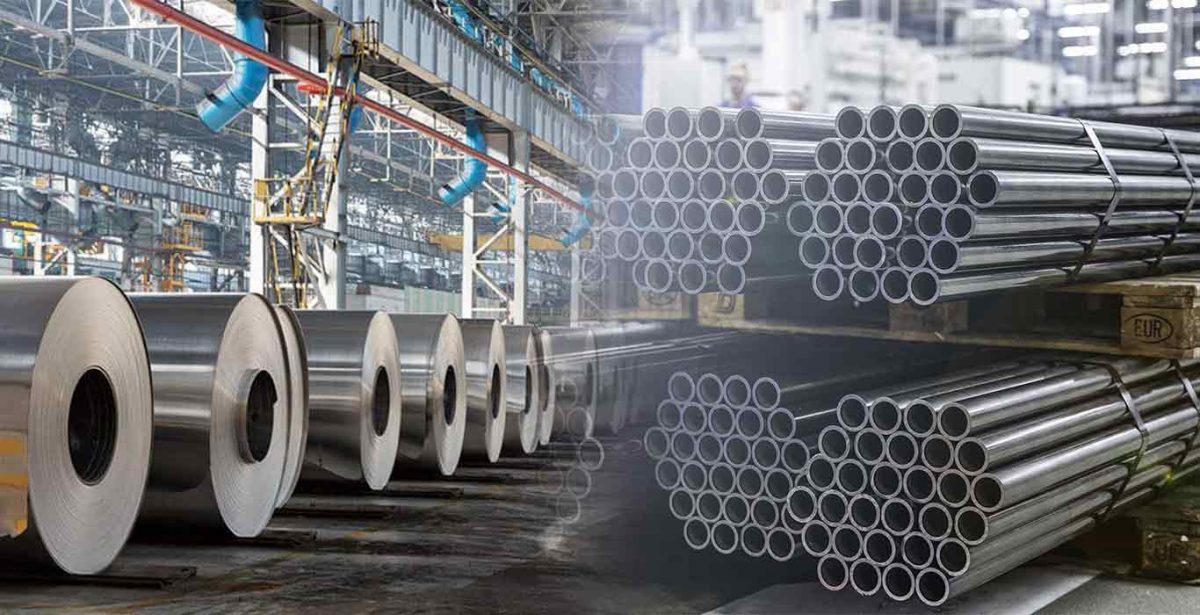
Nickel Powder Prices Trend, News, Monitor, Supply & Demand, Forecast | ChemAnalyst

Nickel powder Prices have been a focal point in various industries due to their widespread applications and significance in manufacturing processes. As a versatile material, nickel powder finds utility in sectors ranging from aerospace and automotive to electronics and energy. Understanding the dynamics of nickel powder pricing involves delving into multiple factors that influence its market value.

One of the primary determinants impacting nickel powder prices is the global supply-demand balance. Nickel, being a vital component in stainless steel production, experiences fluctuations in demand corresponding to economic cycles and industrial activities. Moreover, emerging technologies such as electric vehicles and renewable energy systems are driving increased demand for nickel, particularly in battery manufacturing. This heightened demand can exert upward pressure on nickel powder prices.

Furthermore, the availability of nickel ore, the primary source of nickel, plays a crucial role in determining its price. Mining operations, geopolitical factors, and environmental regulations can all affect the supply of nickel ore, thereby influencing the overall cost of nickel powder. For instance, disruptions in major nickel-producing countries like Indonesia and the Philippines can lead to supply constraints and subsequent price spikes.

Get Real Time Prices of Nickel powder: https://www.chemanalyst.com/Pricing-data/nickel-powder-1504

The quality and purity of nickel powder also contribute to its pricing dynamics. Industries requiring high-grade nickel powder for specific applications, such as aerospace or electronics, may face higher costs compared to those utilizing lower-grade variants. Factors like particle size distribution, chemical composition, and impurity levels can all impact the pricing structure, with finer and purer nickel powder commanding premium prices.

Moreover, currency fluctuations and macroeconomic conditions can significantly influence nickel powder prices, especially in international markets. As nickel is traded globally, changes in exchange rates, inflation rates, and interest rates can affect its cost for buyers and sellers alike. Economic uncertainties or geopolitical tensions may lead to market volatility, causing fluctuations in nickel powder prices.

In addition to market fundamentals, technological advancements and innovations in nickel powder production processes also play a role in shaping its pricing landscape. Efficiency improvements, cost-saving measures, and sustainable manufacturing practices can impact production costs, subsequently influencing price levels. Furthermore, research and development initiatives aimed at enhancing the performance characteristics of nickel powder may lead to differentiated products with varying price points.

Environmental and regulatory factors are increasingly becoming integral considerations in the pricing of nickel powder. With growing emphasis on sustainability and carbon footprint reduction, industries are facing pressure to adopt environmentally friendly practices throughout the supply chain. Compliance with stringent regulations related to emissions, waste management, and resource utilization can add operational costs, potentially reflecting in the pricing of nickel powder.

The competitive landscape within the nickel powder market also influences pricing strategies adopted by manufacturers and suppliers. Price wars, consolidation trends, and market segmentation tactics can impact price levels across different product categories and customer segments. Additionally, strategic alliances, joint ventures, and partnerships among industry players may influence pricing dynamics through collaborative pricing agreements or supply chain optimizations.

For buyers of nickel powder, understanding these multifaceted factors is essential for making informed purchasing decisions and managing procurement risks. Market intelligence, supply chain transparency, and strategic sourcing practices can help mitigate the impact of price volatility and ensure cost competitiveness. Engaging in long-term contracts, hedging against price fluctuations, and diversifying supply sources are some strategies adopted by buyers to navigate the complexities of the nickel powder market.

In conclusion, nickel powder prices are subject to a myriad of factors encompassing supply-demand dynamics, raw material availability, quality considerations, macroeconomic conditions, technological advancements, regulatory compliance, and competitive forces. Navigating these complexities requires a comprehensive understanding of market fundamentals and strategic insights to effectively manage price risks and optimize procurement strategies in the dynamic landscape of the nickel powder industry.

Get Real Time Prices of Nickel powder: https://www.chemanalyst.com/Pricing-data/nickel-powder-1504

Contact Us:

ChemAnalyst

GmbH – S-01, 2.floor, Subbelrather Straße,

15a Cologne, 50823, Germany

Call: +49-221-6505-8833

Email: sales@chemanalyst.com

Website: https://www.chemanalyst.com

Fatty Alcohol Ethoxylates Prices Trend, News, Monitor, Supply & Demand, Forecast | ChemAnalyst

Fatty Alcohol Ethoxylates (FAE) Prices are a significant class of non-ionic surfactants widely used in various industries, including personal care, household, and industrial applications. These compounds are derived from fatty alcohols, which are typically obtained from natural sources such as coconut or palm kernel oil. The ethoxylation process involves the addition of ethylene oxide to fatty alcohols, resulting in a range of products with differing ethylene oxide chain lengths. The properties of FAEs, including their emulsifying, dispersing, and wetting abilities, make them versatile ingredients in formulations for products like detergents, cleaners, cosmetics, and pharmaceuticals.

The pricing dynamics of FAEs are influenced by several factors within the global market. One significant determinant is the cost of raw materials, primarily fatty alcohols and ethylene oxide. Fluctuations in the prices of these feedstocks, which can be affected by factors such as supply and demand dynamics, geopolitical events, and regulatory changes, directly impact the overall production costs of FAEs. Additionally, factors like energy prices, transportation costs, and labor expenses contribute to the final pricing structure.

Moreover, the demand-supply dynamics play a crucial role in determining FAE prices. Industries such as personal care, home care, and agriculture are major consumers of FAE-based products. Shifts in consumer preferences, market trends, and regulatory requirements influence the demand for these end-use products, thereby impacting the demand for FAEs. Manufacturers adjust their pricing strategies based on market demand and competitive pressures to maintain profitability and market share.

Get Real Time Prices of Fatty Alcohol Ethoxylates (FAE): https://www.chemanalyst.com/Pricing-data/fatty-alcohol-ethoxylates-fae-1115

Furthermore, regional variations in pricing exist due to differences in market conditions, regulatory frameworks, and supply chain dynamics. For instance, regions with high production capacities or abundant access to raw materials may experience lower FAE prices compared to areas where production costs are higher or supply chains are less efficient. Economic factors such as currency exchange rates and trade policies also contribute to price differentials across regions.

In recent years, sustainability considerations have emerged as a significant factor influencing FAE prices. With growing awareness of environmental issues and regulatory mandates aimed at reducing carbon footprints and promoting sustainable practices, manufacturers are investing in eco-friendly production processes and sourcing methods. These initiatives often entail additional costs, which may be reflected in the pricing of FAEs marketed as eco-friendly or sustainably sourced.

Moreover, technological advancements and innovation in production processes can impact FAE prices. Manufacturers continuously strive to improve production efficiency, reduce energy consumption, and optimize raw material utilization through innovation and research. While initial investments in new technologies may be significant, they can lead to long-term cost savings and competitive advantages, influencing pricing strategies in the market.

The competitive landscape also plays a crucial role in shaping FAE prices. The presence of multiple suppliers, both domestic and international, fosters competition based on factors such as product quality, brand reputation, and customer service. Price wars and promotional activities initiated by competitors can influence pricing decisions within the industry, leading to price fluctuations and adjustments to maintain market competitiveness.

Additionally, regulatory factors, such as safety and environmental regulations, can impact FAE prices. Compliance with regulatory standards often requires investments in testing, certification, and process modifications, which can add to production costs. Changes in regulations, such as bans or restrictions on certain chemicals or manufacturing practices, may necessitate reformulations or sourcing adjustments, affecting the overall cost structure and pricing of FAE-based products.

In conclusion, the pricing of fatty alcohol ethoxylates (FAE) is influenced by a multitude of factors, including raw material costs, demand-supply dynamics, regional variations, sustainability considerations, technological advancements, competitive pressures, and regulatory requirements. Manufacturers and suppliers navigate these complexities to develop pricing strategies that balance profitability with market dynamics and customer expectations. As the industry continues to evolve, monitoring these factors will remain essential for understanding and predicting FAE price trends in the global market.

Get Real Time Prices of Fatty Alcohol Ethoxylates (FAE): https://www.chemanalyst.com/Pricing-data/fatty-alcohol-ethoxylates-fae-1115

Contact Us:

ChemAnalyst

GmbH – S-01, 2.floor, Subbelrather Straße,

15a Cologne, 50823, Germany

Call: +49-221-6505-8833

Email: sales@chemanalyst.com

Website: https://www.chemanalyst.com

Fatty Acid Prices Trend, News, Monitor, Supply & Demand, Forecast | ChemAnalyst

Fatty Acids Prices are fundamental components of various products across industries, including food, pharmaceuticals, and cosmetics. As such, understanding the dynamics of fatty acid prices is crucial for businesses operating in these sectors. The pricing of fatty acids is influenced by a multitude of factors, ranging from global supply and demand dynamics to regional production trends and geopolitical factors.

One of the primary determinants of fatty acid prices is the availability of raw materials, particularly vegetable oils and animal fats, which serve as the primary sources for fatty acid production. Fluctuations in the prices of these raw materials, driven by factors such as weather conditions, agricultural policies, and shifts in consumer preferences, can have a significant impact on fatty acid prices. For example, a poor harvest of soybeans, a major source of soybean oil, can lead to an increase in the price of soybean oil and subsequently drive up the prices of fatty acids derived from it, such as oleic acid and linoleic acid.

Global demand for fatty acids also plays a critical role in determining their prices. With the increasing awareness of health and wellness, there has been a growing demand for fatty acids with specific nutritional benefits, such as omega-3 and omega-6 fatty acids. This trend has led to higher prices for specialty fatty acids enriched with these beneficial compounds. Additionally, the expanding application of fatty acids in industries such as pharmaceuticals and personal care further fuels demand growth, putting upward pressure on prices.

On the supply side, the production capacity of fatty acids and the efficiency of manufacturing processes influence pricing dynamics. Technological advancements that enhance production efficiency can help mitigate cost pressures and stabilize prices. However, factors such as regulatory requirements, environmental concerns, and energy costs can also impact production costs, thereby affecting pricing strategies within the industry.

Get Real Time Prices of Fatty Acid: https://www.chemanalyst.com/Pricing-data/fatty-acid-1257

Moreover, the global trade landscape significantly influences fatty acid prices. Tariffs, trade agreements, and geopolitical tensions can disrupt supply chains and lead to price volatility. For instance, trade disputes between major economies can result in retaliatory tariffs on agricultural commodities, affecting the prices of vegetable oils and consequently impacting fatty acid prices worldwide.

In addition to these macroeconomic factors, market sentiment and investor speculation can contribute to short-term fluctuations in fatty acid prices. Traders and investors closely monitor market trends, production forecasts, and geopolitical developments to anticipate price movements and adjust their trading strategies accordingly. As a result, fatty acid prices can experience sudden spikes or declines based on speculative activities and market perceptions.

For businesses that rely on fatty acids as raw materials or end products, effectively managing price volatility is essential for maintaining profitability and competitiveness. This often involves implementing risk management strategies, such as forward contracting, hedging, and inventory optimization, to mitigate the impact of price fluctuations. Additionally, fostering strategic partnerships with suppliers, optimizing production processes, and diversifying product portfolios can help mitigate risks associated with volatile fatty acid prices.

In conclusion, fatty acid prices are influenced by a complex interplay of factors, including raw material costs, demand dynamics, production efficiency, trade policies, and market sentiment. Businesses operating in industries reliant on fatty acids must closely monitor these factors and adopt proactive strategies to navigate price volatility effectively. By understanding the underlying drivers of fatty acid prices and implementing robust risk management practices, companies can enhance their resilience and competitiveness in the global marketplace.

Get Real Time Prices of Fatty Acid: https://www.chemanalyst.com/Pricing-data/fatty-acid-1257

Contact Us:

ChemAnalyst

GmbH – S-01, 2.floor, Subbelrather Straße,

15a Cologne, 50823, Germany

Call: +49-221-6505-8833

Email: sales@chemanalyst.com

Website: https://www.chemanalyst.com

Nitro Benzene Prices Trend, News, Monitor, Supply & Demand, Forecast | ChemAnalyst

Nitrobenzene Prices, a key chemical compound utilized in various industries, has seen fluctuations in its pricing over recent years, impacting numerous sectors reliant on its production. Understanding the dynamics influencing nitrobenzene prices is crucial for businesses across the spectrum, from manufacturers to end-users. The pricing of nitrobenzene is subject to multifaceted factors, with market demand and supply dynamics playing a pivotal role. As a derivative of benzene, nitrobenzene finds extensive applications in the production of aniline, which, in turn, is a precursor for numerous chemicals such as dyes, pharmaceuticals, and rubber chemicals. Hence, any shifts in demand or supply of these downstream products inevitably influence nitrobenzene pricing.

One of the primary determinants of nitrobenzene prices is the availability and cost of raw materials, especially benzene. Benzene, primarily obtained from crude oil through processes like catalytic reforming, significantly impacts nitrobenzene production costs. Fluctuations in crude oil prices, geopolitical tensions affecting oil supply, and shifts in refining capacities can all contribute to volatility in benzene prices, thereby influencing nitrobenzene costs.

Market demand for downstream products also exerts considerable influence on nitrobenzene prices. Industries such as textiles, automotive, pharmaceuticals, and agrochemicals heavily rely on nitrobenzene-derived products. Consequently, fluctuations in the demand for these end-use sectors directly impact the demand for nitrobenzene. For instance, an upsurge in the textile industry may lead to increased demand for dyes, subsequently driving up the demand for nitrobenzene and its prices.

Get Real Time Prices of Nitrobenzene: https://www.chemanalyst.com/Pricing-data/nitro-benzene-1139

Moreover, regulatory factors and environmental policies play a significant role in shaping nitrobenzene prices. Stringent environmental regulations regarding the production and disposal of nitrobenzene and its derivatives can increase compliance costs for manufacturers, potentially leading to higher prices for end-users. Additionally, regulatory changes impacting the usage of certain nitrobenzene-derived chemicals, such as restrictions on certain dyes or pharmaceutical ingredients, can alter demand patterns and consequently affect nitrobenzene prices.

Global economic conditions and geopolitical events further contribute to the volatility of nitrobenzene prices. Economic downturns can dampen demand across multiple industries, leading to a decrease in nitrobenzene prices due to reduced consumption. Conversely, geopolitical tensions or trade disputes disrupting supply chains or leading to sanctions on key nitrobenzene-producing regions can result in supply shortages, thereby driving prices upwards.

In recent years, the nitrobenzene market has witnessed fluctuations attributable to various factors. For instance, the COVID-19 pandemic had profound effects on global markets, leading to disruptions in supply chains, reduced industrial activity, and fluctuations in oil prices, all of which influenced nitrobenzene prices. Furthermore, the increasing focus on sustainability and green chemistry practices has spurred innovations in nitrobenzene production technologies, potentially impacting both supply and pricing dynamics in the long term.

In conclusion, nitrobenzene prices are influenced by a complex interplay of factors including raw material costs, market demand for downstream products, regulatory policies, macroeconomic conditions, and geopolitical events. Businesses operating in industries reliant on nitrobenzene and its derivatives must closely monitor these factors to anticipate price fluctuations and mitigate potential risks. Additionally, investing in sustainable practices and technologies can help navigate regulatory challenges while ensuring long-term competitiveness in the evolving nitrobenzene market landscape.

Get Real Time Prices of Nitrobenzene: https://www.chemanalyst.com/Pricing-data/nitro-benzene-1139

Contact Us:

ChemAnalyst

GmbH – S-01, 2.floor, Subbelrather Straße,

15a Cologne, 50823, Germany

Call: +49-221-6505-8833

Email: sales@chemanalyst.com

Website: https://www.chemanalyst.com