
Glucosamine Price, News, Monitor, Supply & Demand, Forecast | ChemAnalyst

Glucosamine Prices a popular dietary supplement renowned for its purported benefits in joint health, has seen fluctuations in its market prices over recent years. The demand for glucosamine stems from its use in managing osteoarthritis and other joint-related issues, making it a sought-after product in the health and wellness industry. However, several factors contribute to the volatility of its market prices.

One significant influencer is the availability of raw materials. Glucosamine is commonly sourced from shellfish shells, such as shrimp and crab. Fluctuations in the supply of these raw materials due to environmental factors like overfishing or natural disasters can lead to price variations. Additionally, changes in regulations regarding the harvesting of marine resources can impact the cost of sourcing glucosamine’s key ingredients.

Moreover, the production process itself contributes to the final market price of glucosamine. Manufacturing glucosamine involves complex procedures, including extraction, purification, and formulation, all of which require specialized equipment and expertise. Any disruptions or innovations in these processes can affect production costs, subsequently influencing the product’s price.

Furthermore, market demand plays a pivotal role in determining glucosamine prices. As the aging population increases globally, so does the prevalence of joint-related ailments like osteoarthritis. Consequently, the demand for glucosamine as a natural remedy escalates, exerting upward pressure on its prices. Conversely, fluctuations in consumer preferences or the emergence of alternative treatments can lead to fluctuations in demand and, consequently, prices.

Get Real Time Prices of Glucosamine: https://www.chemanalyst.com/Pricing-data/glucosamine-1287

Additionally, the competitive landscape of the glucosamine market influences pricing dynamics. Numerous manufacturers and suppliers operate within this space, each vying for market share through various strategies such as pricing, product differentiation, or marketing initiatives. Intense competition can lead to price wars or strategic pricing decisions aimed at gaining a competitive edge, thereby impacting market prices.

Moreover, external factors such as economic conditions and currency fluctuations can also affect glucosamine prices. Economic downturns may constrain consumer spending on non-essential items like dietary supplements, leading to a decrease in demand and subsequently lower prices. Similarly, currency fluctuations can impact the cost of importing or exporting glucosamine, influencing its final retail price in different markets.

Furthermore, regulatory changes and quality control measures can impact glucosamine prices. Stringent regulations governing dietary supplements, including labeling requirements, ingredient standards, and manufacturing practices, may necessitate costly compliance measures for manufacturers, which could be reflected in the product’s price. Conversely, quality control measures aimed at ensuring product efficacy and safety may justify higher price points for premium glucosamine products.

In conclusion, the market prices of glucosamine are subject to various internal and external factors that contribute to their volatility. From fluctuations in raw material availability and production costs to changes in market demand and competitive dynamics, numerous variables influence the pricing dynamics of this popular dietary supplement. As consumer awareness of joint health continues to grow, and advancements in manufacturing technologies evolve, the glucosamine market is likely to remain dynamic, with prices reflecting the intricate interplay of supply, demand, and industry forces.

Contact Us:

ChemAnalyst

GmbH – S-01, 2.floor, Subbelrather Straße,

15a Cologne, 50823, Germany

Call: +49-221-6505-8833

Email: sales@chemanalyst.com

Website: https://www.chemanalyst.com

GGBFS Price, News, Monitor, Supply & Demand, Forecast | ChemAnalyst

Ground Granulated Blast Furnace Slag (GGBFS) prices are subject to a multitude of factors influencing supply and demand dynamics, making it imperative for stakeholders to stay abreast of industry trends. GGBFS, a byproduct of the steel industry, has gained prominence in construction due to its environmentally-friendly properties and cost-effectiveness. The market prices of GGBFS are intricately linked to the overall health of the construction sector, global economic conditions, and regulatory frameworks governing environmental standards. In recent years, there has been a growing emphasis on sustainable construction practices, driving the demand for GGBFS as a substitute for traditional cement. This trend has been particularly notable in regions striving to reduce carbon emissions and promote eco-friendly building materials.

Furthermore, fluctuations in the prices of raw materials such as iron ore, coal, and limestone, which are essential in the production of steel and consequently GGBFS, exert significant influence on market prices. Additionally, transportation costs play a crucial role, especially in regions where GGBFS is not locally available, impacting the final cost to consumers. Geopolitical factors, trade policies, and currency exchange rates also contribute to price volatility, with global events often triggering short-term fluctuations.

Moreover, market dynamics are shaped by the balance between supply and demand. Increases in construction activities, particularly in emerging economies experiencing rapid urbanization and infrastructure development, tend to bolster demand for GGBFS, consequently driving prices upwards. Conversely, economic downturns or slowdowns in construction projects can lead to oversupply and downward pressure on prices. Seasonal variations, weather conditions, and natural disasters further compound market uncertainties, affecting both production and consumption patterns.

The competitive landscape within the GGBFS market also influences pricing strategies adopted by manufacturers and suppliers. Established players with economies of scale may leverage their market dominance to maintain stable prices or offer competitive discounts to secure long-term contracts. Conversely, smaller producers may resort to price differentiation strategies or focus on niche markets to remain competitive. Additionally, technological advancements and innovations in production processes can impact production costs, thereby influencing market prices.

Get Real Time Prices of Ground Granulated Blast Furnace Slag (GGBFS) : https://www.chemanalyst.com/Pricing-data/ggbfs-1307

Furthermore, regulatory factors and government policies pertaining to environmental standards and sustainable development exert a significant influence on the GGBFS market. Incentives promoting the use of alternative construction materials, tax breaks, or subsidies for green initiatives can stimulate demand and support price stability. Conversely, stringent regulations or bans on certain industrial byproducts may disrupt supply chains and escalate costs, affecting market prices.

In recent years, the GGBFS market has witnessed growing interest from investors and stakeholders seeking sustainable investment opportunities. Environmental, Social, and Governance (ESG) considerations have become increasingly important, prompting companies to adopt environmentally responsible practices and invest in eco-friendly materials like GGBFS. This trend has contributed to a more favorable market outlook, with analysts projecting steady growth in demand and prices in the coming years.

Despite the inherent complexities and uncertainties, the GGBFS market presents lucrative opportunities for industry participants. Strategic collaborations, vertical integration, and diversification of product offerings can help mitigate risks and capitalize on emerging market trends. Moreover, investments in research and development aimed at enhancing product quality, reducing production costs, and expanding market reach can foster long-term competitiveness and profitability.

In conclusion, the GGBFS market prices are influenced by a myriad of factors spanning economic, environmental, regulatory, and technological domains. Understanding these dynamics and their interplay is essential for stakeholders to navigate market fluctuations, mitigate risks, and capitalize on emerging opportunities. By staying attuned to industry trends and adopting proactive strategies, players in the GGBFS market can position themselves for sustainable growth and success in the evolving construction landscape.

Contact Us:

ChemAnalyst

GmbH – S-01, 2.floor, Subbelrather Straße,

15a Cologne, 50823, Germany

Call: +49-221-6505-8833

Email: sales@chemanalyst.com

Website: https://www.chemanalyst.com

Gelatin Price, News, Monitor, Supply & Demand, Forecast | ChemAnalyst

The gelatin prices has experienced significant fluctuations in prices over recent years, influenced by various factors ranging from supply chain disruptions to shifts in consumer demand. Understanding these dynamics is crucial for businesses operating within the gelatin industry to navigate market conditions effectively.

One of the primary drivers of gelatin prices is the sourcing of raw materials. Gelatin is typically derived from collagen, which is found in animal skin, bones, and connective tissues. Fluctuations in the availability of these raw materials can impact gelatin production costs, subsequently influencing market prices. Factors such as changes in livestock populations, environmental conditions affecting animal health, and disruptions in the meat processing industry can all contribute to fluctuations in raw material prices.

Additionally, global economic trends play a significant role in shaping gelatin market prices. Economic downturns can lead to reduced consumer spending on products containing gelatin, affecting demand and, consequently, prices. Conversely, periods of economic growth may stimulate demand for gelatin-based products, putting upward pressure on prices.

Furthermore, technological advancements and innovations within the gelatin industry can impact market prices. Improved production methods and efficiency gains can lead to cost savings for manufacturers, potentially translating into lower prices for gelatin products. Conversely, investments in research and development for new gelatin formulations or applications may lead to higher prices as companies seek to recoup their development costs.

Get Real Time Prices of Gelatin: https://www.chemanalyst.com/Pricing-data/gelatin-1487

Consumer preferences and dietary trends also influence the gelatin market. As health and wellness concerns continue to gain prominence, there has been growing interest in alternative sources of protein and plant-based alternatives to animal-derived products like gelatin. This shifting consumer landscape can create challenges for traditional gelatin producers, particularly if demand for gelatin-based products declines in favor of plant-based alternatives.

Moreover, regulatory factors play a critical role in shaping the gelatin market landscape. Regulations governing food safety, labeling requirements, and animal welfare standards can impact production costs and supply chain logistics, influencing market prices. Changes in regulatory frameworks, such as stricter environmental regulations or new labeling requirements, can necessitate adjustments within the gelatin industry, potentially affecting prices.

The COVID-19 pandemic has also had a significant impact on the gelatin market. Disruptions to global supply chains, shifts in consumer behavior, and changes in foodservice demand have all contributed to volatility in gelatin prices. The pandemic underscored the importance of supply chain resilience and adaptability for gelatin manufacturers, as they navigated challenges such as labor shortages, transportation disruptions, and fluctuating input costs.

Looking ahead, sustainability considerations are expected to play an increasingly significant role in shaping the gelatin market. Consumers are becoming more conscious of the environmental and ethical implications of their purchasing decisions, leading to growing demand for sustainably sourced and produced gelatin products. Companies that prioritize sustainability initiatives, such as adopting responsible sourcing practices or reducing their environmental footprint, may gain a competitive advantage in the market.

In conclusion, the gelatin market is subject to various factors that influence pricing dynamics, including raw material availability, economic trends, technological advancements, consumer preferences, regulatory frameworks, and sustainability considerations. Businesses operating within the gelatin industry must remain vigilant and adaptable to navigate these complex market conditions effectively. By staying informed about market trends and proactively addressing challenges, companies can position themselves for success in the dynamic gelatin market landscape.

Contact Us:

ChemAnalyst

GmbH – S-01, 2.floor, Subbelrather Straße,

15a Cologne, 50823, Germany

Call: +49-221-6505-8833

Email: sales@chemanalyst.com

Website: https://www.chemanalyst.com
Galvanized Plain Sheet Price, News, Monitor, Supply & Demand, Forecast | ChemAnalyst

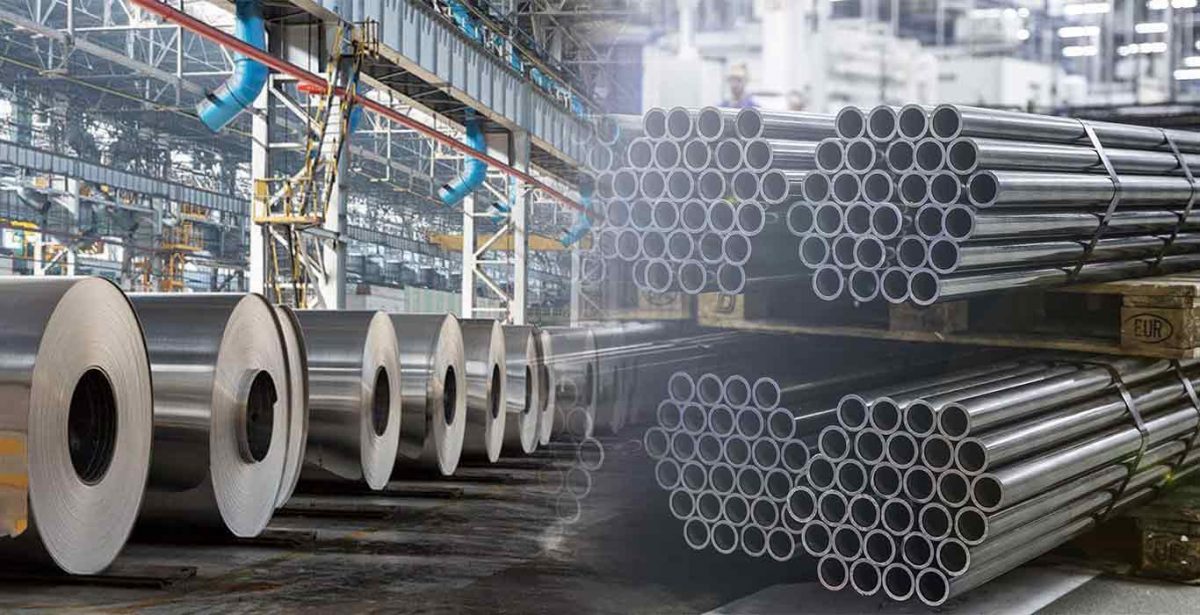
Galvanized plain sheet prices have experienced notable fluctuations over recent months, influenced by various factors within the global economic landscape. The demand-supply dynamics, geopolitical tensions, raw material costs, and trade policies play significant roles in shaping the market trends. Amidst the ongoing uncertainties, market participants closely monitor these factors to make informed decisions.

One of the primary drivers affecting galvanized plain sheet prices is the demand from the construction industry. Galvanized sheets are widely used in construction projects for roofing, siding, and structural components due to their durability and corrosion resistance. Consequently, any fluctuations in construction activity directly impact the demand for galvanized plain sheets. Economic indicators such as housing starts, infrastructure investments, and commercial real estate development provide insights into the future demand trajectory.

Moreover, the automotive sector also contributes to the demand for galvanized plain sheets, particularly for manufacturing vehicle bodies and components. As the automotive industry undergoes technological advancements and shifts towards electric vehicles, the demand for lightweight yet durable materials like galvanized steel is expected to rise. Consequently, market prices are influenced by the evolving trends and innovations within the automotive sector.

In addition to demand, the supply side dynamics also play a crucial role in determining galvanized plain sheet prices. The availability of raw materials such as steel coils, zinc, and other alloying elements significantly impacts production costs. Fluctuations in the prices of these raw materials, driven by factors such as mining regulations, geopolitical tensions, and currency fluctuations, directly affect the overall cost structure for manufacturers. As a result, changes in raw material prices often translate into adjustments in galvanized plain sheet prices.

Get Real Time Prices of Galvanized plain sheet: https://www.chemanalyst.com/Pricing-data/galvanized-plain-sheet-1366

Furthermore, trade policies and international trade relations have a profound impact on the galvanized plain sheet market. Tariffs, quotas, and trade agreements between countries can disrupt supply chains and affect the pricing dynamics. For instance, trade disputes between major economies like the United States and China have led to tariff impositions on steel and aluminum imports, thereby influencing global steel prices, including galvanized plain sheets.

Environmental regulations and sustainability initiatives also influence the galvanized plain sheet market prices. As governments worldwide impose stricter regulations on emissions and promote sustainable manufacturing practices, manufacturers are compelled to invest in eco-friendly production processes and materials. While such initiatives may initially incur higher production costs, they contribute to long-term sustainability and brand reputation, which can influence consumer preferences and market prices.

Moreover, market sentiment and investor speculation also contribute to price fluctuations in the galvanized plain sheet market. Traders and investors closely monitor economic indicators, geopolitical developments, and industry trends to anticipate future market movements. Speculative buying or selling based on these assessments can lead to short-term price volatility, creating opportunities for arbitrage or hedging strategies.

In conclusion, the galvanized plain sheet market prices are influenced by a myriad of factors, including demand-supply dynamics, raw material costs, trade policies, industry trends, and market sentiment. The interplay of these factors creates a dynamic and sometimes volatile pricing environment, where market participants must stay vigilant and adaptable to navigate effectively. Understanding the underlying drivers and staying informed about macroeconomic trends are crucial for businesses operating in the galvanized plain sheet market to make informed decisions and mitigate risks effectively.

Contact Us:

ChemAnalyst

GmbH – S-01, 2.floor, Subbelrather Straße,

15a Cologne, 50823, Germany

Call: +49-221-6505-8833

Email: sales@chemanalyst.com

Website: https://www.chemanalyst.com

Paraformaldehyde Price, News, Monitor, Supply & Demand, Forecast | ChemAnalyst

Paraformaldehyde (PFA) Prices a key chemical compound in various industries, has witnessed dynamic shifts in its market prices, influenced by multifaceted factors. The global PFA market prices have been subject to fluctuations due to the intricate interplay of supply and demand dynamics, raw material costs, and geopolitical influences. In recent years, the market has experienced a notable upward trajectory, primarily driven by the growing demand across end-use industries such as pharmaceuticals, plastics, and textiles. The versatility of PFA as a crucial intermediate in the production of resins, adhesives, and agrochemicals has propelled its demand, resulting in an impact on market prices.

One of the primary drivers of the PFA market prices is the supply-demand balance. As industries diversify and expand, the demand for PFA has surged, leading to increased pressure on the supply side. Manufacturers are working tirelessly to ramp up production capacities to meet the rising demand, but the intricate synthesis process of PFA and its dependence on formaldehyde as a raw material present challenges in maintaining a balance. This delicate equilibrium often reflects in the market prices, causing periodic fluctuations based on the prevailing demand-supply dynamics.

Raw material costs play a pivotal role in shaping the pricing landscape of PFA. Formaldehyde, a key precursor in PFA production, experiences its own price variations due to factors like energy costs, availability of feedstocks, and global economic conditions. Any fluctuations in the cost of formaldehyde can significantly impact the overall production cost of PFA, thus influencing its market prices. Manufacturers keenly monitor these upstream cost movements to make informed decisions regarding pricing strategies, ensuring competitiveness in the market.

Get Real Time Prices of Paraformaldehyde (PFA): https://www.chemanalyst.com/Pricing-data/paraformaldehyde-pfa-1195

Geopolitical factors also contribute to the volatility in PFA market prices. Trade tensions, regulatory changes, and geopolitical events can disrupt the global supply chain, affecting the availability and pricing of key raw materials. For instance, changes in trade policies or diplomatic relations can lead to fluctuations in the prices of formaldehyde, ultimately impacting the cost structure of PFA production. Market participants need to navigate these geopolitical uncertainties to mitigate risks and maintain stability in the pricing landscape.

The pharmaceutical industry stands out as a significant driver of the increasing demand for PFA. With the rising emphasis on healthcare and pharmaceutical research, PFA finds extensive applications in the synthesis of various drugs and pharmaceutical intermediates. As the pharmaceutical sector expands globally, the demand for PFA is expected to grow proportionally, exerting upward pressure on market prices. Additionally, the plastics and textiles industries, reliant on PFA for resin and fiber production, contribute to the compound’s market dynamics, further influencing its prices.

Environmental considerations and regulatory changes also impact the PFA market. The chemical industry is experiencing a paradigm shift towards sustainable practices, and PFA manufacturers are under pressure to adhere to stringent environmental regulations. Compliance with these regulations often requires investments in cleaner production technologies and waste management, which can influence the overall production costs and subsequently affect market prices.

In conclusion, the Paraformaldehyde (PFA) market is a complex and dynamic landscape influenced by a multitude of factors. The delicate balance between supply and demand, raw material costs, geopolitical influences, and industry-specific demands collectively shape the market prices of PFA. As industries evolve and global dynamics continue to change, market participants must remain vigilant and adaptable to navigate the intricate web of factors affecting PFA pricing.

Contact Us:

ChemAnalyst

GmbH – S-01, 2.floor, Subbelrather Straße,

15a Cologne, 50823, Germany

Call: +49-221-6505-8833

Email: sales@chemanalyst.com

Website: https://www.chemanalyst.com
o-Xylene Price, News, Monitor, Supply & Demand, Forecast | ChemAnalyst

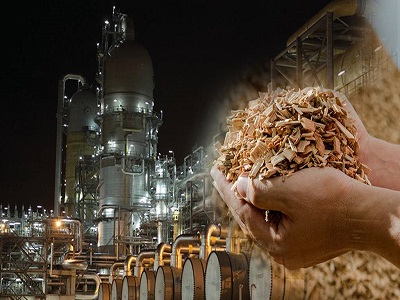
The o-Xylene Prices has experienced dynamic shifts in pricing, influenced by a myriad of factors ranging from global economic trends to regional demand fluctuations. Understanding the intricate dynamics of o-Xylene pricing is crucial for businesses operating in this sector, as it directly impacts production costs and profit margins.

One of the primary drivers of o-Xylene market prices is the supply-demand balance. As a key raw material in the production of various chemicals and plastics, o-Xylene plays a pivotal role in multiple industries. Fluctuations in demand, often influenced by economic conditions, can exert significant pressure on prices. For instance, during periods of economic growth, there is typically an uptick in demand for products such as paints, coatings, and adhesives, all of which rely heavily on o-Xylene. Conversely, economic downturns may lead to a decrease in demand, causing a subsequent impact on market prices.

Global geopolitical factors also contribute to the volatility in o-Xylene prices. Trade tensions, political instability, and regulatory changes can disrupt the global supply chain, affecting the availability of o-Xylene and consequently influencing its market prices. In recent years, the industry has witnessed the impact of geopolitical events on pricing dynamics, requiring businesses to remain vigilant and adaptable to navigate these uncertainties.

Raw material costs constitute another crucial element in the pricing equation. The production of o-Xylene involves various feedstocks, and any fluctuations in the prices of these raw materials can directly impact the overall cost structure. Additionally, energy prices, especially those related to the petrochemical industry, play a significant role in determining the cost of o-Xylene production. Volatility in oil and gas prices can lead to fluctuations in production costs, subsequently influencing market prices for o-Xylene.

Get Real Time Prices of o-Xylene: https://www.chemanalyst.com/Pricing-data/o-xylene-28

Environmental regulations and sustainability initiatives also contribute to shaping the o-Xylene market landscape. As governments worldwide emphasize the importance of eco-friendly practices, industries are compelled to adopt sustainable manufacturing processes. Compliance with stringent environmental standards may necessitate investments in technology and processes, impacting production costs and, consequently, influencing market prices for o-Xylene. Companies that proactively address these environmental concerns may find themselves better positioned in a market increasingly driven by sustainability considerations.

Market players must also consider regional dynamics when analyzing o-Xylene prices. Variations in regional demand, regulatory frameworks, and economic conditions contribute to divergent pricing trends. For instance, robust industrial growth in emerging economies can drive increased demand for o-Xylene, impacting prices in those specific regions. Simultaneously, mature markets with established regulatory frameworks may witness stability or incremental changes in prices, influenced by factors unique to their economic landscapes.

The ongoing global transition towards a circular economy further shapes the o-Xylene market. The increased focus on recycling and reducing the environmental impact of plastics affects the overall demand for o-Xylene, as it is a key component in the production of certain polymers. Companies that align their strategies with circular economy principles may find themselves better positioned to navigate the evolving market dynamics and respond effectively to changes in o-Xylene prices.

In conclusion, the o-Xylene market is a complex and dynamic landscape, influenced by a multitude of factors ranging from global economic conditions to regulatory frameworks and sustainability initiatives. Businesses operating in this sector must adopt a holistic approach to pricing strategies, considering the interplay of supply and demand, geopolitical events, raw material costs, environmental regulations, and regional dynamics. Navigating the o-Xylene market requires a keen understanding of these multifaceted influences to make informed decisions and maintain a competitive edge in an ever-evolving industry.

Contact Us:

ChemAnalyst

GmbH – S-01, 2.floor, Subbelrather Straße,

15a Cologne, 50823, Germany

Call: +49-221-6505-8833

Email: sales@chemanalyst.com

Website: https://www.chemanalyst.com

Neopentyl Glycol (NPG) Price, News, Monitor, Supply & Demand, Forecast | ChemAnalyst

Neopentyl Glycol (NPG) Prices has emerged as a key player in the chemical industry, influencing various sectors such as coatings, automotive, and textiles. The market dynamics of NPG are closely tied to its widespread applications, driving demand and subsequently impacting prices. As of the latest market analysis, the prices of Neopentyl Glycol have witnessed fluctuations, reflecting the intricate balance between supply and demand forces.

One of the primary factors influencing NPG market prices is the continuous expansion of end-use industries. With the increasing demand for high-quality coatings in the automotive and construction sectors, NPG has become a sought-after component due to its unique properties. The compound’s resistance to heat, chemicals, and weathering makes it an ideal choice for producing durable and long-lasting coatings. As these industries grow, so does the demand for NPG, placing upward pressure on prices.

Furthermore, the textile industry has been a significant consumer of Neopentyl Glycol, utilizing it in the production of fibers and fabrics. The compound’s role in enhancing the performance and longevity of textiles has led to a steady rise in its demand. As emerging economies witness a surge in textile manufacturing, the NPG market has experienced heightened competition for resources, contributing to the overall price dynamics.

Supply chain disruptions and raw material availability also play a pivotal role in shaping the NPG market prices. The production of Neopentyl Glycol involves several precursors, and any interruptions in the supply chain can have cascading effects on the overall availability of NPG. Factors such as geopolitical tensions, natural disasters, or unexpected events can disrupt the production process, leading to a supply-demand imbalance and consequent fluctuations in prices.

Get Real Time Prices of Neopentyl Glycol (NPG): https://www.chemanalyst.com/Pricing-data/neopentyl-glycol-npg-1194

Environmental regulations and sustainability initiatives have further impacted the Neopentyl Glycol market. As industries become increasingly conscious of their environmental footprint, there is a growing preference for eco-friendly and sustainable alternatives. NPG, with its low volatility and minimal environmental impact, has positioned itself as a preferred choice in the market. However, compliance with stringent regulations may lead to increased production costs, influencing the final market prices of Neopentyl Glycol.

Global economic trends also contribute to the volatility of NPG prices. Economic downturns can result in reduced manufacturing activities, affecting the demand for NPG across various industries. Conversely, periods of economic growth and industrial expansion tend to drive up demand, creating a bullish market for Neopentyl Glycol. Monitoring these economic indicators is crucial for understanding the potential shifts in the NPG market and anticipating their impact on prices.

In conclusion, the Neopentyl Glycol market is a dynamic landscape shaped by a myriad of factors. The compound’s versatility and unique properties have positioned it as a vital component in several industries, influencing its market prices. The interplay between supply and demand, coupled with factors such as industry expansion, supply chain disruptions, environmental considerations, and economic trends, collectively contribute to the ongoing fluctuations in Neopentyl Glycol prices. Stakeholders in the chemical industry must remain vigilant and adaptable to navigate these intricacies and make informed decisions in response to the evolving dynamics of the NPG market.

Contact Us:

ChemAnalyst

GmbH – S-01, 2.floor, Subbelrather Straße,

15a Cologne, 50823, Germany

Call: +49-221-6505-8833

Email: sales@chemanalyst.com

Website: https://www.chemanalyst.com

Neomycin Sulphate Price, News, Monitor, Supply & Demand, Forecast | ChemAnalyst

Neomycin Sulphate Prices a widely used antibiotic in both human and veterinary medicine, has witnessed fluctuations in its market prices due to various factors influencing the pharmaceutical industry. The pricing dynamics of Neomycin Sulphate are influenced by factors such as raw material costs, manufacturing processes, regulatory changes, and market demand.

One of the primary determinants of Neomycin Sulphate market prices is the cost of raw materials involved in its production. Neomycin is derived from the bacterium Streptomyces fradiae, and the availability and cost of these microbial sources play a crucial role in pricing. Fluctuations in the prices of raw materials can directly impact the overall production cost, subsequently affecting the market prices of Neomycin Sulphate.

Manufacturing processes also contribute significantly to the pricing structure of Neomycin Sulphate. Advances in technology, improvements in production efficiency, and economies of scale can result in cost savings, leading to a downward pressure on prices. Conversely, any disruptions or inefficiencies in the manufacturing process may contribute to an increase in production costs, thereby influencing the market prices of Neomycin Sulphate.

Regulatory changes in the pharmaceutical industry can have a profound impact on the pricing of Neomycin Sulphate. Stringent regulations, compliance requirements, and quality standards imposed by health authorities can necessitate adjustments in manufacturing processes and quality control measures, potentially affecting production costs. Manufacturers may pass on these additional costs to consumers, influencing the overall market prices of Neomycin Sulphate.

Get Real Time Prices of Neomycin Sulphate: https://www.chemanalyst.com/Pricing-data/neomycin-sulphate-1375

Market demand is another crucial factor influencing Neomycin Sulphate prices. As a key component in the formulation of antibiotics, the demand for Neomycin Sulphate is intricately linked to the prevalence of bacterial infections. Changes in disease patterns, outbreaks, or shifts in healthcare practices can impact the demand for Neomycin Sulphate, consequently influencing its market prices. Increased demand may lead to higher prices, while a decrease in demand may result in a more competitive pricing environment.

Global economic factors can also contribute to the volatility in Neomycin Sulphate market prices. Economic downturns, currency fluctuations, and geopolitical events can influence the cost of doing business, including the production and distribution of pharmaceuticals. These external factors can add an additional layer of complexity to the pricing dynamics of Neomycin Sulphate.

In recent years, the pharmaceutical industry has faced challenges such as supply chain disruptions, increased scrutiny on drug pricing, and the need for greater transparency. These challenges have added pressure on manufacturers to optimize their operations and pricing strategies. Consequently, the Neomycin Sulphate market has been subject to ongoing adjustments as companies navigate these challenges and strive to maintain a balance between affordability and profitability.

In conclusion, the Neomycin Sulphate market experiences fluctuations in prices driven by a combination of factors, including raw material costs, manufacturing processes, regulatory changes, market demand, and global economic conditions. The delicate balance between these variables determines the overall pricing structure of Neomycin Sulphate in the pharmaceutical market. As the industry continues to evolve and adapt to various challenges, the pricing dynamics of Neomycin Sulphate will likely remain a dynamic and responsive aspect of the broader pharmaceutical landscape.

Contact Us:

ChemAnalyst

GmbH – S-01, 2.floor, Subbelrather Straße,

15a Cologne, 50823, Germany

Call: +49-221-6505-8833

Email: sales@chemanalyst.com

Website: https://www.chemanalyst.com

n-Butanol Price, News, Monitor, Supply & Demand, Forecast | ChemAnalyst

The n-Butanol prices have experienced dynamic shifts in recent times, influenced by various factors that impact the global chemical industry. N-Butanol, a four-carbon alcohol, is a versatile chemical widely used as a solvent, intermediate, and fuel. Its market prices are subject to the interplay of supply and demand dynamics, raw material costs, geopolitical events, and regulatory changes.

One significant factor influencing n-Butanol prices is the demand from end-use industries. The chemical is a key component in the production of coatings, adhesives, and sealants, with applications extending to pharmaceuticals and textiles. As these industries grow or contract, so does the demand for n-Butanol, consequently affecting its market prices. Recent trends indicate a steady rise in demand, particularly in emerging economies where industrial activities are on the upswing.

Raw material costs play a pivotal role in determining n-Butanol prices. Given that n-Butanol is primarily derived from the petrochemical feedstock, fluctuations in crude oil prices can have a direct impact on the production cost of n-Butanol. Additionally, any disruptions in the supply chain, whether due to natural disasters or geopolitical tensions, can lead to raw material shortages, thereby influencing market prices. The global energy landscape and the volatility associated with it contribute to the uncertainties surrounding the n-Butanol market.

Geopolitical events can exert considerable influence on n-Butanol market prices. Trade tensions, political instability, and regional conflicts can disrupt the supply chain, leading to price fluctuations. Furthermore, changes in government policies and regulations, especially those related to environmental standards and sustainability, can shape the market landscape for n-Butanol. The chemical industry is increasingly subject to stringent regulations, and any shifts in compliance requirements can impact production processes and subsequently affect prices.

Get Real Time Prices of n-Butanol: https://www.chemanalyst.com/Pricing-data/n-butanol-78

Market sentiment and investor perceptions also contribute to the volatility of n-Butanol prices. Speculation on future market trends, coupled with macroeconomic indicators, can lead to price swings. The n-Butanol market, like any other commodity market, is influenced by the broader economic environment, including inflation rates, currency fluctuations, and interest rates. Investors and industry stakeholders closely monitor these economic indicators to make informed decisions regarding n-Butanol trading and investments.

In recent years, there has been a growing emphasis on sustainable practices and environmental considerations. This has prompted a shift towards bio-based n-Butanol production methods, utilizing renewable resources such as biomass and agricultural products. The adoption of green technologies and eco-friendly processes not only aligns with global sustainability goals but also introduces a new dimension to market dynamics. The availability and cost competitiveness of bio-based n-Butanol can impact the overall market prices and contribute to the ongoing transformation of the chemical industry.

In conclusion, the n-Butanol market is a complex ecosystem influenced by a myriad of factors, including demand from end-use industries, raw material costs, geopolitical events, regulatory changes, market sentiment, and the growing emphasis on sustainability. Navigating through this intricate landscape requires a comprehensive understanding of the interconnected variables that shape market dynamics. Industry players, investors, and stakeholders must stay vigilant, adapting to evolving trends and making strategic decisions in response to the multifaceted forces influencing the n-Butanol market prices. As the chemical industry continues to evolve, the n-Butanol market will remain a focal point for those seeking to comprehend and thrive in this dynamic and competitive sector.

Contact Us:

ChemAnalyst

GmbH – S-01, 2.floor, Subbelrather Straße,

15a Cologne, 50823, Germany

Call: +49-221-6505-8833

Email: sales@chemanalyst.com

Website: https://www.chemanalyst.com

Naphthalene Price, News, Monitor, Supply & Demand, Forecast | ChemAnalyst

The Naphthalene Prices is witnessing dynamic shifts in pricing as various factors come into play, influencing supply and demand dynamics. This aromatic hydrocarbon, derived from coal tar or crude oil, serves as a crucial raw material in the production of phthalic anhydride, which, in turn, is a key component in the manufacturing of plastics, resins, and dyes. The market prices for Naphthalene are intricately linked to the global energy landscape, as its primary sources are derived from fossil fuels. As oil prices experience fluctuations, the cost of production for Naphthalene is impacted, subsequently affecting its market pricing.

One of the primary determinants of Naphthalene prices is the supply-demand balance. The chemical industry’s demand for Naphthalene is substantial, driven by its versatile applications. However, the availability of raw materials, geopolitical events, and natural disasters can disrupt the supply chain, creating imbalances that influence market prices. For instance, disruptions in oil production or transportation can lead to a shortage of Naphthalene, causing an upward pressure on its prices.

Furthermore, environmental regulations play a pivotal role in shaping the Naphthalene market landscape. As governments worldwide intensify efforts to curb carbon emissions and promote sustainable practices, the chemical industry faces increased scrutiny. This scrutiny often translates into compliance costs and modifications in production processes to adhere to stringent environmental standards. Such regulatory changes can impact production costs, subsequently reflecting on the pricing of Naphthalene in the market.

Get Real Time Prices of Naphthalene: https://www.chemanalyst.com/Pricing-data/naphthalene-1130

The global economic landscape also significantly contributes to the ebb and flow of Naphthalene prices. Economic downturns can lead to reduced industrial activities, affecting the demand for Naphthalene-based products. On the flip side, economic growth and industrial expansion can create a surge in demand, triggering an uptick in Naphthalene prices. Therefore, market participants closely monitor economic indicators to anticipate and respond to potential shifts in Naphthalene pricing.

Moreover, technological advancements play a vital role in influencing Naphthalene market prices. Ongoing research and development in the chemical industry may lead to innovations in production processes, potentially lowering costs. Enhanced production efficiency and the discovery of alternative sources for Naphthalene can contribute to market fluctuations. Investors and industry stakeholders keenly observe technological developments that could impact the competitive landscape and, consequently, the pricing dynamics of Naphthalene.

Currency exchange rates also have a noteworthy impact on the Naphthalene market. As a globally traded commodity, Naphthalene prices are vulnerable to fluctuations in currency values. Changes in exchange rates can affect the competitiveness of Naphthalene producers in different regions, influencing the overall supply-demand balance and pricing dynamics.

In conclusion, the Naphthalene market is a complex arena influenced by a myriad of factors. From the volatility of oil prices and supply-demand dynamics to regulatory interventions, economic shifts, technological advancements, and currency fluctuations, each element contributes to the intricate dance of Naphthalene market prices. Industry participants must remain vigilant and adaptable, closely monitoring these factors to navigate the ever-changing landscape and make informed decisions in response to market dynamics. As the global economy continues to evolve, so too will the forces shaping the Naphthalene market, underscoring the need for a comprehensive understanding of the interconnected factors influencing its pricing trends.

Contact Us:

ChemAnalyst

GmbH – S-01, 2.floor, Subbelrather Straße,

15a Cologne, 50823, Germany

Call: +49-221-6505-8833

Email: sales@chemanalyst.com

Website: https://www.chemanalyst.com