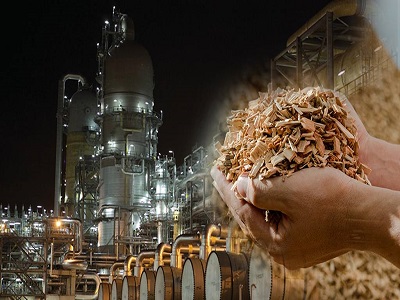
m-Xylene Price, News, Monitor, Supply & Demand, Forecast | ChemAnalyst

m-Xylene Prices is a vital chemical compound that plays a significant role in various industries, including the production of plastics, resins, and solvents. As businesses and manufacturers continue to rely on m-Xylene for its versatile applications, understanding the market dynamics and pricing trends becomes crucial. The m-Xylene market prices are influenced by a myriad of factors that encompass supply and demand dynamics, raw material costs, geopolitical events, and global economic conditions.

One of the primary drivers of m-Xylene market prices is the demand from the plastic and resin manufacturing sector. As these industries expand, the need for m-Xylene intensifies, impacting its market prices. Additionally, m-Xylene is a key component in the production of polyester fibers, which are widely used in the textile industry. The growing demand for synthetic fibers further contributes to the fluctuations in m-Xylene prices.

Raw material costs play a pivotal role in determining m-Xylene market prices. Since m-Xylene is derived from crude oil through a refining process, any fluctuations in crude oil prices directly impact the overall cost of production. Geopolitical events, such as tensions in oil-producing regions or changes in oil production quotas, can lead to supply disruptions, influencing the raw material costs and subsequently affecting the pricing of m-Xylene in the market.

Get Real Time Prices of m-Xylene: https://www.chemanalyst.com/Pricing-data/m-xylene-1296

Global economic conditions also exert a significant influence on m-Xylene market prices. Economic growth or recession in major economies can impact the overall demand for chemical products, including m-Xylene. During periods of economic expansion, industries tend to increase their production, leading to a higher demand for m-Xylene and subsequently driving up its prices. Conversely, economic downturns can result in reduced industrial activity and a decrease in m-Xylene demand, causing prices to decline.

Environmental regulations and sustainability initiatives contribute to the complexity of the m-Xylene market. As governments worldwide impose stricter regulations on the use of certain chemicals and promote sustainable practices, manufacturers may incur additional costs to comply with environmental standards. This can impact the production processes and, consequently, influence the pricing of m-Xylene in the market.

The global supply chain disruptions experienced in recent times have also played a role in shaping m-Xylene market prices. Events such as the COVID-19 pandemic highlighted the vulnerabilities of supply chains, causing disruptions in production and transportation. These disruptions, coupled with increased demand for certain chemicals, including m-Xylene, resulted in supply shortages and subsequently impacted market prices.

Market dynamics, such as mergers and acquisitions, can also contribute to shifts in m-Xylene prices. Changes in the competitive landscape, market consolidation, or the entry of new players can influence supply and demand dynamics, leading to fluctuations in prices. Market participants closely monitor these dynamics to make informed decisions and navigate the ever-changing landscape of the m-Xylene market.

In conclusion, the m-Xylene market is influenced by a complex interplay of factors, ranging from supply and demand dynamics to raw material costs, geopolitical events, global economic conditions, environmental regulations, and supply chain disruptions. Businesses and stakeholders in the chemical industry must stay vigilant and adaptable to navigate the intricacies of the m-Xylene market and make informed decisions in response to the dynamic nature of pricing trends. As the industrial landscape evolves, staying abreast of these factors will be crucial for successfully navigating the m-Xylene market and ensuring sustainability in the long term.

Contact Us:

ChemAnalyst

GmbH – S-01, 2.floor, Subbelrather Straße,

15a Cologne, 50823, Germany

Call: +49-221-6505-8833

Email: sales@chemanalyst.com

Website: https://www.chemanalyst.com
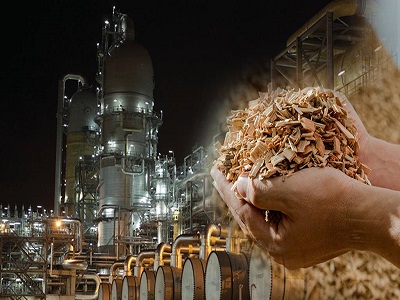
Mixed Xylene Price, News, Monitor, Supply & Demand, Forecast | ChemAnalyst

The Mixed Xylene Prices is a dynamic and crucial sector within the chemical industry, playing a significant role in various applications such as solvents, coatings, and adhesives. As of the latest market analysis, the prices of Mixed Xylene have experienced fluctuations influenced by a myriad of factors, ranging from supply and demand dynamics to geopolitical events. Understanding these price movements is essential for businesses and stakeholders in navigating the intricacies of this market.

One of the primary drivers of Mixed Xylene market prices is the global demand for chemicals and petrochemicals. As industries expand and economies grow, there is an increased need for solvents and raw materials, with Mixed Xylene being a key component. Consequently, fluctuations in demand can lead to corresponding changes in prices. Economic indicators, such as GDP growth rates and industrial output, play a crucial role in forecasting these demand patterns.

The supply side also exerts a substantial impact on Mixed Xylene prices. The production of Mixed Xylene is closely tied to the refining of crude oil, as it is derived from reformate streams during the refining process. Any disruptions or changes in the global oil supply chain, including geopolitical tensions or decisions made by major oil-producing nations, can cause ripple effects in the Mixed Xylene market. Additionally, changes in refining capacity and technology advancements may influence the overall supply and contribute to price movements.

Get Real Time Prices of Mixed Xylene: https://www.chemanalyst.com/Pricing-data/mixed-xylene-80

Moreover, regulatory factors contribute to the pricing dynamics of Mixed Xylene. Environmental regulations, in particular, can impact the production processes and the overall cost structure of Mixed Xylene manufacturers. Compliance with stringent environmental standards may necessitate investments in cleaner technologies, which can, in turn, affect production costs and subsequently influence market prices.

The geographical distribution of production and consumption centers also plays a role in determining Mixed Xylene prices. Concentrations of manufacturing facilities and end-user industries in specific regions can create localized supply and demand imbalances, resulting in regional variations in prices. Factors such as transportation costs, trade policies, and infrastructure development further contribute to these geographical price differentials.

Furthermore, the global energy landscape and the pricing of crude oil are integral factors affecting Mixed Xylene market prices. Since Mixed Xylene is a byproduct of the refining process, any shifts in the cost of crude oil can directly impact the cost structure of Mixed Xylene production. Fluctuations in oil prices, influenced by factors like OPEC decisions, geopolitical tensions, or natural disasters, can lead to corresponding adjustments in Mixed Xylene prices.

In recent times, market participants have also been closely monitoring sustainability trends and the growing emphasis on eco-friendly alternatives. The shift towards green technologies and environmentally responsible practices has led to increased interest in bio-based and renewable alternatives to traditional petrochemical products, including Mixed Xylene. This evolving landscape introduces an additional layer of complexity to market dynamics, as companies navigate the demand for sustainable solutions while balancing economic considerations.

In conclusion, the Mixed Xylene market is a multifaceted sector shaped by a confluence of factors ranging from supply and demand dynamics to regulatory influences and global economic trends. Businesses and stakeholders in this industry must stay vigilant and adapt to the ever-changing market conditions to make informed decisions. As the world continues to evolve, the Mixed Xylene market will likely witness further transformations, and staying abreast of these changes will be crucial for success in this dynamic industry.

Contact Us:

ChemAnalyst

GmbH – S-01, 2.floor, Subbelrather Straße,

15a Cologne, 50823, Germany

Call: +49-221-6505-8833

Email: sales@chemanalyst.com

Website: https://www.chemanalyst.com
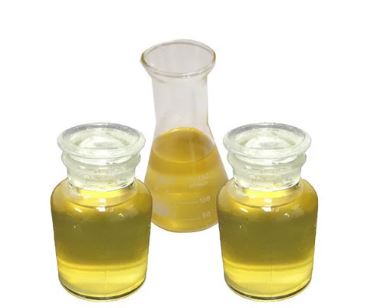
Methylene Diphenyl Diisocynate (MDI) Price, News, Monitor, Supply & Demand, Forecast | ChemAnalyst

The Methylene Diphenyl Diisocyanate (MDI) Prices has experienced notable fluctuations in prices, triggering a ripple effect across various industries. MDI, a crucial component in the production of polyurethane, plays a pivotal role in sectors such as construction, automotive, and furniture manufacturing. The pricing dynamics of MDI are influenced by a myriad of factors, including raw material costs, supply and demand forces, geopolitical events, and global economic conditions.

One of the primary drivers of MDI market prices is the cost of its raw materials. MDI is derived from aniline and phosgene, both of which are subject to their own market dynamics. Fluctuations in the prices of these raw materials directly impact the overall production cost of MDI. Additionally, the availability of these inputs is influenced by factors such as natural disasters, geopolitical tensions, and changes in global trade policies, further contributing to the volatility in MDI prices.

Supply and demand dynamics also exert a significant influence on MDI market prices. The increasing demand for polyurethane, driven by the growth in construction and automotive industries, has led to a surge in the consumption of MDI. As a result, any disruptions in the supply chain or unexpected spikes in demand can quickly lead to price hikes. Conversely, a decrease in demand or an oversupply scenario can result in a decline in MDI prices.

Get Real Time Prices of Methylene Diphenyl Diisocyanate (MDI): https://www.chemanalyst.com/Pricing-data/methylene-diphenyl-diisocyanate-mdi-1111

Geopolitical events and global economic conditions serve as external factors that contribute to the instability of MDI market prices. Trade tensions, sanctions, and geopolitical conflicts can disrupt the global supply chain and impact the availability of MDI, leading to price fluctuations. Similarly, economic downturns or recessions can suppress demand for MDI, creating a downward pressure on prices.

The COVID-19 pandemic exemplifies the profound impact external events can have on MDI prices. The sudden and severe disruptions caused by the pandemic, including supply chain interruptions and reduced industrial activities, led to both demand and supply shocks in the MDI market. As a result, prices experienced unprecedented volatility, affecting businesses across the polyurethane value chain.

Market participants closely monitor these dynamic factors and implement strategic measures to mitigate risks associated with MDI price fluctuations. Long-term contracts, inventory management, and diversification of suppliers are some of the strategies adopted by industry players to navigate the challenges posed by the volatile MDI market.

Moreover, technological advancements and innovations in MDI production processes can also influence market prices. Improved and more efficient manufacturing techniques can potentially lower production costs, impacting the overall price structure in the market. Additionally, regulatory changes and environmental considerations may lead to investments in eco-friendly production methods, influencing the cost structure of MDI.

In conclusion, the Methylene Diphenyl Diisocyanate (MDI) market is characterized by its sensitivity to a multitude of factors, making it susceptible to price fluctuations. The intricate interplay between raw material costs, supply and demand dynamics, geopolitical events, and global economic conditions creates a dynamic landscape for MDI prices. Industry stakeholders must remain vigilant, employing strategic measures to navigate the challenges and capitalize on opportunities presented by the ever-changing market conditions. As the global economy continues to evolve, the MDI market will undoubtedly remain a focal point for businesses seeking to adapt and thrive in this complex and dynamic environment.

Contact Us:

ChemAnalyst

GmbH – S-01, 2.floor, Subbelrather Straße,

15a Cologne, 50823, Germany

Call: +49-221-6505-8833

Email: sales@chemanalyst.com

Website: https://www.chemanalyst.com

Methylene Dichloride Price, News, Monitor, Supply & Demand, Forecast | ChemAnalyst

The Methylene Dichloride prices have been subject to fluctuations in recent times, influenced by a variety of factors within the chemical industry. Methylene Dichloride, also known as dichloromethane (DCM), is a versatile solvent widely utilized in various industrial applications such as paint stripping, pharmaceuticals, and chemical processing. The market dynamics are shaped by the interplay of supply and demand, regulatory changes, and global economic conditions.

One significant factor impacting Methylene Dichloride prices is the availability of raw materials. Methylene Dichloride is typically produced through the chlorination of methane or methyl chloride. Fluctuations in the prices of these raw materials can directly affect the overall production costs of Methylene Dichloride, consequently influencing its market prices. Additionally, the demand for Methylene Dichloride in different industries plays a pivotal role in shaping market dynamics.

Global economic conditions contribute substantially to the Methylene Dichloride market prices. Economic downturns can lead to a decrease in industrial activities, thereby reducing the demand for Methylene Dichloride. On the other hand, periods of economic growth may result in increased industrial production and demand for Methylene Dichloride as a solvent. The geopolitical landscape and trade policies among nations can also impact the import and export of Methylene Dichloride, further influencing market prices.

Regulatory changes and environmental considerations have become significant drivers in the Methylene Dichloride market. Stringent regulations regarding the use of certain chemicals, coupled with growing awareness of environmental sustainability, have prompted industries to seek alternatives or adopt cleaner processes. This shift in preferences can affect the demand for Methylene Dichloride, subsequently influencing its market prices. Additionally, regulatory changes may impact production methods and compliance costs, further adding to the overall market dynamics.

Get Real Time Prices of Methylene Dichloride: https://www.chemanalyst.com/Pricing-data/methylene-dichloride-1092

The Methylene Dichloride market is also sensitive to technological advancements. Innovations in production processes or the development of alternative solvents can influence the competitiveness of Methylene Dichloride in the market. Industries are constantly seeking more efficient and environmentally friendly solutions, and the emergence of new technologies can impact the demand and pricing of Methylene Dichloride.

The global nature of the chemical industry contributes to the complexity of Methylene Dichloride market prices. Supply chain disruptions, currency fluctuations, and trade tensions between major economies can introduce uncertainties, affecting the overall supply and demand equilibrium. Market participants need to closely monitor these global factors to make informed decisions and navigate the dynamic landscape of Methylene Dichloride pricing.

In conclusion, the Methylene Dichloride market prices are shaped by a combination of factors, including raw material costs, global economic conditions, regulatory changes, technological advancements, and geopolitical influences. Industry stakeholders must stay attuned to these dynamic elements to anticipate market trends and make informed decisions. As the chemical industry continues to evolve, Methylene Dichloride will remain a key player, and its market prices will reflect the intricate interplay of these multifaceted factors.

Contact Us:

ChemAnalyst

GmbH – S-01, 2.floor, Subbelrather Straße,

15a Cologne, 50823, Germany

Call: +49-221-6505-8833

Email: sales@chemanalyst.com

Website: https://www.chemanalyst.com

Methyl N-Propyl Ketone Price, News, Monitor, Supply & Demand, Forecast | ChemAnalyst

Methyl N-Propyl Ketone (MPK) Prices has emerged as a crucial chemical compound in various industrial sectors, significantly impacting market dynamics and prices. The MPK market prices are subject to a myriad of factors that influence supply and demand, creating a complex landscape for industry participants.

One of the key drivers affecting MPK prices is the raw material costs. The production of MPK involves the utilization of specific chemicals and precursors, the prices of which can fluctuate due to various factors such as geopolitical tensions, supply chain disruptions, or changes in demand for the raw materials. As a result, any alterations in these input costs have a direct impact on the overall production cost of MPK, subsequently influencing its market prices.

Furthermore, the global demand for MPK plays a pivotal role in shaping its market prices. Industries such as paints and coatings, adhesives, and pharmaceuticals heavily rely on MPK for its solvent properties. The growth or contraction of these end-user industries can create fluctuations in MPK demand, leading to corresponding adjustments in its market prices. Economic conditions, technological advancements, and regulatory changes also contribute to the overall demand dynamics, further affecting market prices.

Environmental and regulatory considerations have become increasingly influential in the chemical industry, including the MPK market. Stringent regulations regarding emissions, waste disposal, and chemical usage impact the production processes and, consequently, the prices of MPK. Companies are compelled to invest in eco-friendly and compliant manufacturing practices, which can contribute to higher production costs and, in turn, influence the market prices of MPK.

Get Real Time Prices of Methyl N-Propyl Ketone (MPK): https://www.chemanalyst.com/Pricing-data/methyl-n-propyl-ketone-1427

The geographical dynamics of the MPK market also contribute to its price variations. Supply chain logistics, import/export duties, and regional market trends play a crucial role in determining the cost structure of MPK. Political stability, trade agreements, and currency exchange rates can introduce additional complexities, causing fluctuations in MPK market prices across different regions.

Market competition is a fundamental factor influencing MPK prices. The presence of numerous manufacturers and suppliers fosters a competitive environment where pricing strategies become a critical tool for companies to gain a competitive edge. Price wars, strategic alliances, and market consolidation efforts can impact the overall supply-demand balance, subsequently affecting MPK market prices.

In addition to these external factors, internal factors within the MPK industry itself contribute to price variations. Innovations in production processes, research and development breakthroughs, and efficiency improvements can lead to cost reductions, influencing the pricing strategy of manufacturers. Additionally, capacity expansions or contractions, as well as changes in inventory levels, can contribute to short-term fluctuations in MPK market prices.

In conclusion, the Methyl N-Propyl Ketone (MPK) market is a complex and dynamic ecosystem influenced by a multitude of factors. From raw material costs and global demand to environmental regulations and market competition, each element contributes to the intricate web of forces shaping MPK prices. Industry participants must navigate this intricate landscape with a keen understanding of these factors to make informed decisions in a market that is continually evolving. As the global economy, technology, and regulatory environment continue to change, the MPK market will likely witness further adjustments in prices, necessitating adaptability and strategic foresight from stakeholders in the chemical industry.

Contact Us:

ChemAnalyst

GmbH – S-01, 2.floor, Subbelrather Straße,

15a Cologne, 50823, Germany

Call: +49-221-6505-8833

Email: sales@chemanalyst.com

Website: https://www.chemanalyst.com

Methyl Amine Price, News, Monitor, Supply & Demand, Forecast | ChemAnalyst

The Methyl Amine prices is experiencing dynamic shifts in prices, reflecting a complex interplay of various factors. Methyl amine, a crucial chemical compound, is utilized in diverse industries, including pharmaceuticals, agrochemicals, and plastics. The fluctuations in its market prices can be attributed to a multitude of influences, ranging from raw material costs to global demand-supply dynamics.

One of the primary drivers affecting Methyl Amine prices is the cost of raw materials. Methyl amine is typically produced through the reaction of methanol and ammonia. As the prices of these feedstocks oscillate due to factors such as natural gas prices, geopolitical events, or supply chain disruptions, the cost structure of Methyl Amine production is inevitably impacted. Consequently, manufacturers must adapt to these shifts, which in turn, are reflected in the market prices of Methyl Amine.

Global demand for Methyl Amine plays a pivotal role in shaping its market prices. The pharmaceutical and agrochemical sectors, in particular, are major consumers of Methyl Amine. As these industries expand or contract, the demand for Methyl Amine experiences corresponding changes. Economic growth, population trends, and advancements in drug development contribute to the evolving demand landscape, influencing the pricing dynamics of Methyl Amine.

Moreover, regulatory changes can significantly impact the Methyl Amine market. Stringent environmental regulations, for instance, may lead to increased production costs for manufacturers, subsequently influencing the market prices of Methyl Amine. Compliance with new standards or the adoption of eco-friendly processes can introduce additional expenses, which manufacturers may pass on to consumers through adjusted pricing.

Get Real Time Prices of Methyl Amine: https://www.chemanalyst.com/Pricing-data/methylamine-1178

The global supply chain is another critical factor affecting Methyl Amine prices. Disruptions in the supply chain, whether due to natural disasters, geopolitical tensions, or unexpected events like the COVID-19 pandemic, can create imbalances between supply and demand. Such imbalances often result in short-term spikes or drops in Methyl Amine prices as the market adjusts to the changing availability of the chemical.

Market sentiment and speculation also contribute to the volatility of Methyl Amine prices. Traders and investors closely monitor global economic indicators, geopolitical developments, and industry trends to anticipate future price movements. News of potential disruptions or innovations in Methyl Amine production methods can trigger speculative activities that impact prices, adding an element of unpredictability to the market.

In addition to these external factors, the competitive landscape within the Methyl Amine industry itself can influence pricing strategies. Intense competition among manufacturers may lead to price wars, with companies adjusting their prices to gain a competitive edge in the market. This dynamic environment further contributes to the continuous fluctuations in Methyl Amine prices.

In conclusion, the Methyl Amine market is subject to a myriad of influences that collectively shape its pricing landscape. From raw material costs and global demand to regulatory changes, supply chain disruptions, market sentiment, and competitive dynamics, a complex interplay of factors contributes to the ever-changing prices of Methyl Amine. Manufacturers, investors, and industry stakeholders must remain vigilant and adaptive to navigate this dynamic market and respond effectively to the multifaceted challenges it presents.

Contact Us:

ChemAnalyst

GmbH – S-01, 2.floor, Subbelrather Straße,

15a Cologne, 50823, Germany

Call: +49-221-6505-8833

Email: sales@chemanalyst.com

Website: https://www.chemanalyst.com

Methionine Price, News, Trend, Monitor, Supply & Demand, Forecast | ChemAnalyst

Methionine Prices an essential amino acid with diverse applications in various industries, has witnessed fluctuations in its market prices over recent years. The Methionine market is influenced by several factors, including global demand and supply dynamics, raw material costs, and regulatory changes. As of the latest trends, market prices have displayed a degree of volatility, prompting stakeholders to closely monitor and adapt to the evolving landscape.

One of the key drivers affecting Methionine prices is the ever-changing global demand for animal feed. Methionine plays a pivotal role in livestock nutrition, promoting growth and supporting overall health. As the global population continues to grow, so does the demand for meat products, subsequently increasing the need for Methionine in animal feed formulations. This surge in demand has often led to upward pressure on Methionine prices.

Furthermore, the Methionine market is intricately tied to the cost dynamics of its raw materials, primarily methanol and hydrogen cyanide. Fluctuations in the prices of these key inputs can significantly impact the overall production cost of Methionine. For instance, variations in methanol prices, which is a crucial component in the production of Methionine through various chemical processes, can directly influence the final market price. As a result, any disruptions or fluctuations in the supply chain of these raw materials can cause ripples in the Methionine market.

Get Real Time Prices of Methionine: https://www.chemanalyst.com/Pricing-data/methionine-1507

Global economic conditions also exert a considerable influence on Methionine market prices. Economic downturns or uncertainties can impact consumer spending patterns, subsequently affecting the demand for meat products and, consequently, the need for Methionine in animal feed. Conversely, periods of economic growth may stimulate higher meat consumption, leading to increased demand for Methionine.

The Methionine market is subject to stringent regulatory frameworks, with authorities implementing measures to ensure product safety, quality, and environmental sustainability. Compliance with these regulations often requires manufacturers to invest in advanced production technologies and adhere to specific standards, which can impact production costs. As a result, regulatory changes may contribute to fluctuations in Methionine market prices as companies adjust to meet new compliance requirements.

Geopolitical factors also play a role in shaping Methionine market dynamics. Trade tensions, sanctions, or disruptions in the global supply chain can impact the availability and cost of Methionine. Political instability in key producing regions or major exporting countries may lead to supply chain disruptions, influencing market prices.

In recent years, the Methionine market has experienced innovation and technological advancements aimed at enhancing production efficiency and reducing costs. Research and development initiatives have focused on developing alternative production methods and sources for Methionine, such as microbial fermentation. These innovations have the potential to influence market dynamics, either by increasing supply or altering the cost structure.

In conclusion, the Methionine market is a dynamic and complex landscape shaped by a myriad of factors. Global demand for animal feed, raw material costs, economic conditions, regulatory frameworks, geopolitical events, and technological advancements collectively contribute to the market’s pricing dynamics. Stakeholders in the Methionine industry must stay vigilant, adapt to evolving trends, and strategically navigate the various influences to maintain competitiveness in this ever-changing market.

Contact Us:

ChemAnalyst

GmbH – S-01, 2.floor, Subbelrather Straße,

15a Cologne, 50823, Germany

Call: +49-221-6505-8833

Email: sales@chemanalyst.com

Website: https://www.chemanalyst.com

Meth Acrylic Acid Price, News, Trend, Monitor, Supply & Demand, Forecast | ChemAnalyst

Meth Acrylic Acid Prices a key chemical compound in the acrylic acid family, plays a pivotal role in various industries, ranging from adhesives and sealants to coatings and textiles. Understanding the market prices of meth acrylic acid is crucial for businesses to make informed decisions and navigate the dynamic landscape of the chemical industry.

The meth acrylic acid market prices are influenced by a myriad of factors, including raw material costs, demand-supply dynamics, and geopolitical events. One of the primary drivers of pricing is the cost of raw materials, particularly propylene, which is a key feedstock for meth acrylic acid production. Fluctuations in propylene prices, often influenced by factors such as oil prices and production capacities, directly impact the overall cost structure of meth acrylic acid.

Furthermore, the demand for meth acrylic acid is heavily dependent on end-user industries. For instance, the adhesives and sealants industry constitutes a significant portion of the market demand. As economic conditions and construction activities fluctuate, so does the demand for meth acrylic acid in this sector. Similarly, the coatings industry, which utilizes meth acrylic acid for its excellent adhesive properties and durability, plays a pivotal role in shaping market dynamics.

Global economic conditions and geopolitical events also contribute to the volatility in meth acrylic acid prices. Trade tensions, currency fluctuations, and geopolitical uncertainties can create ripples across the chemical industry, impacting production costs and market prices. Businesses operating in this sector must stay vigilant and adapt to these external factors to remain competitive in the global market.

Get Real Time Prices of Meth Acrylic Acidhttps://www.chemanalyst.com/Pricing-data/meth-acrylic-acid-1289

The meth acrylic acid market is witnessing growth due to its versatile applications. From being a key component in superabsorbent polymers used in diapers to serving as a building block for specialty chemicals, meth acrylic acid finds diverse uses. This versatility not only drives demand but also makes the market susceptible to changes in consumer preferences and regulatory landscapes.

Environmental regulations and sustainability initiatives are increasingly shaping the meth acrylic acid market. As the global community emphasizes eco-friendly practices, manufacturers are compelled to adopt sustainable production methods and explore bio-based feedstocks. This shift towards sustainability can influence production costs and, consequently, market prices. Companies that proactively embrace green practices may find themselves better positioned in the evolving market landscape.

Supply chain disruptions, a challenge faced by many industries, also impact the meth acrylic acid market. Natural disasters, global health crises, and transportation bottlenecks can disrupt the seamless flow of raw materials and finished products, affecting both production capacities and market prices. As businesses grapple with the uncertainties brought about by these disruptions, resilience in the supply chain becomes a critical factor in determining market stability.

In conclusion, the meth acrylic acid market prices are dynamic and influenced by a complex interplay of factors. From raw material costs and demand dynamics to global economic conditions and sustainability trends, businesses in this sector must navigate a multifaceted landscape. Staying informed about these variables and adapting strategies accordingly is essential for businesses to thrive in the competitive meth acrylic acid market. As the industry continues to evolve, vigilance, adaptability, and a keen understanding of market dynamics will be paramount for sustained success.

Contact Us:

ChemAnalyst

GmbH – S-01, 2.floor, Subbelrather Straße,

15a Cologne, 50823, Germany

Call: +49-221-6505-8833

Email: sales@chemanalyst.com

Website: https://www.chemanalyst.com

Magnesium Stearate Price, News, Trend, Monitor, Supply & Demand, Forecast | ChemAnalyst

The Magnesium Stearate Prices has experienced notable fluctuations in prices, creating a dynamic landscape for manufacturers, suppliers, and consumers alike. The pricing dynamics of Magnesium Stearate, a widely used compound in various industries, are influenced by a myriad of factors, ranging from raw material costs to global demand and supply trends. Understanding the nuances of these market forces is crucial for stakeholders navigating this sector.

One key driver of Magnesium Stearate prices is the cost of raw materials. Magnesium Stearate is derived from stearic acid, a fatty acid that can be obtained from both animal and vegetable sources. The availability and pricing of these raw materials directly impact the overall production cost of Magnesium Stearate. Fluctuations in agricultural practices, weather conditions affecting crop yields, and geopolitical factors affecting the sourcing of animal-derived stearic acid all contribute to the volatility in raw material costs.

Global demand for Magnesium Stearate also plays a pivotal role in shaping market prices. As Magnesium Stearate is a crucial component in pharmaceuticals, food processing, and cosmetic industries, any shifts in demand from these sectors can have a significant impact on prices. The pharmaceutical industry, in particular, has been a major consumer of Magnesium Stearate due to its role as a lubricant and flow agent in tablet and capsule formulations. Consequently, any changes in pharmaceutical production volumes or regulatory requirements can cause ripples in the Magnesium Stearate market.

Get Real Time Prices of Magnesium Stearate: https://www.chemanalyst.com/Pricing-data/magnesium-stearate-1407

Moreover, the interconnectedness of the global economy further complicates the pricing landscape. As businesses expand their operations internationally, they become susceptible to currency fluctuations and geopolitical events. Exchange rate variations can affect the cost of imported raw materials and the competitiveness of Magnesium Stearate in the global market. Additionally, disruptions in the supply chain due to geopolitical tensions or natural disasters can lead to short-term shortages, triggering price spikes.

The regulatory environment also contributes to the pricing complexity of Magnesium Stearate. Stringent quality standards and compliance requirements imposed by regulatory bodies can lead to increased production costs for manufacturers. Changes in these regulations, whether they involve safety standards or environmental considerations, can necessitate adjustments in production processes, affecting prices. Companies must stay abreast of evolving regulatory landscapes to anticipate and mitigate potential cost implications.

In recent years, the Magnesium Stearate market has witnessed technological advancements that have influenced pricing dynamics. Innovations in production processes, such as the development of more efficient manufacturing methods or the utilization of sustainable practices, can impact the cost structure. Companies embracing these advancements may gain a competitive edge, but the initial investment in new technologies can also affect short-term pricing.

As market participants navigate these multifaceted factors, they must also be attuned to the broader economic context. Economic downturns can lead to reduced consumer spending, impacting industries that heavily rely on Magnesium Stearate. Conversely, periods of economic growth may stimulate demand, driving prices upwards. The delicate balance between supply and demand, coupled with external economic conditions, underscores the need for a nuanced understanding of market forces.

In conclusion, the Magnesium Stearate market is characterized by its sensitivity to a plethora of factors, each contributing to the intricate web of pricing dynamics. Raw material costs, global demand, regulatory landscapes, technological innovations, and economic conditions collectively shape the market prices of Magnesium Stearate. Navigating this complex environment requires industry participants to adopt a holistic approach, constantly monitoring and adapting to the ever-changing market forces. As the Magnesium Stearate market continues to evolve, staying informed and agile becomes paramount for sustained success in this dynamic sector.

Contact Us:

ChemAnalyst

GmbH – S-01, 2.floor, Subbelrather Straße,

15a Cologne, 50823, Germany

Call: +49-221-6505-8833

Email: sales@chemanalyst.com

Website: https://www.chemanalyst.com

Low Density Polyethylene Price, News, Trend, Monitor, Supply & Demand, Forecast | ChemAnalyst

The Low Density Polyethylene (LDPE) Prices has been a dynamic landscape, influenced by various factors that impact pricing. As industries continue to evolve and global demand for plastic products rises, understanding the trends and drivers behind LDPE prices becomes crucial for stakeholders. The intricate web of market forces and economic indicators contributes to the fluctuation in LDPE prices.

One of the primary factors influencing LDPE prices is the supply-demand dynamics. As a versatile polymer widely used in packaging, agriculture, and construction, LDPE’s demand is directly tied to these sectors’ performance. When industries experience growth, the demand for LDPE rises, putting upward pressure on prices. Conversely, economic downturns or disruptions can lead to decreased demand, resulting in a decline in LDPE prices. The delicate balance between supply and demand plays a pivotal role in determining the market value of LDPE.

Another significant factor impacting LDPE prices is the cost of raw materials. LDPE is derived from ethylene, a byproduct of crude oil and natural gas. Fluctuations in the prices of these commodities have a direct impact on LDPE production costs. If the cost of raw materials increases, LDPE manufacturers may pass these expenses onto consumers, leading to higher market prices. Conversely, a drop in raw material prices can contribute to more competitive LDPE pricing.

Get Real Time Prices of Low Density Polyethylene (LDPE): https://www.chemanalyst.com/Pricing-data/low-density-polyethylene-ldpe-24

Geopolitical events and global economic conditions also exert influence on LDPE market prices. Trade tensions, sanctions, and geopolitical uncertainties can disrupt the supply chain, causing fluctuations in LDPE prices. Additionally, currency exchange rates and inflation can affect the cost of imported raw materials and influence the overall pricing of LDPE in the market. A stable geopolitical environment is conducive to predictable LDPE pricing, while uncertainties can lead to volatility.

Environmental regulations and sustainability initiatives further impact LDPE prices. As the world becomes increasingly conscious of the environmental impact of plastic use, governments and organizations are implementing stricter regulations on plastic production and consumption. Compliance with these regulations may require LDPE manufacturers to invest in more sustainable practices, potentially leading to increased production costs and higher market prices. Conversely, companies that adopt eco-friendly practices may gain a competitive edge, influencing LDPE prices positively for such products.

The global market for LDPE is interconnected, with regional trends influencing prices on a broader scale. Regional economic conditions, industrial growth, and infrastructure development contribute to variations in LDPE prices across different parts of the world. As emerging economies witness rapid industrialization and urbanization, the demand for LDPE in construction and packaging applications increases, impacting prices on a global scale.

Technological advancements and innovations in LDPE production processes also play a role in shaping market prices. Efficiency improvements and breakthroughs in manufacturing technologies can lead to cost reductions, positively impacting LDPE prices. On the other hand, disruptions in production processes or the need for costly upgrades can result in higher prices.

In conclusion, the Low Density Polyethylene (LDPE) market is a complex ecosystem influenced by a myriad of factors. The delicate balance between supply and demand, fluctuations in raw material prices, geopolitical events, environmental regulations, regional trends, and technological advancements collectively contribute to the dynamic nature of LDPE prices. Stakeholders in the industry need to remain vigilant and adapt to these factors to navigate the ever-changing landscape of the LDPE market.

Contact Us:

ChemAnalyst

GmbH – S-01, 2.floor, Subbelrather Straße,

15a Cologne, 50823, Germany

Call: +49-221-6505-8833

Email: sales@chemanalyst.com

Website: https://www.chemanalyst.com