
Unsaturated Polyester Resin Price Trend, Monitor, Supply & Demand, Forecast | ChemAnalyst

The Unsaturated Polyester Resin (UPR) Prices has experienced dynamic fluctuations in prices, influenced by a myriad of factors that range from raw material costs to global economic trends. Understanding the pricing dynamics of UPR is crucial for stakeholders in industries such as construction, automotive, and marine, where these resins play a pivotal role.

One of the primary determinants of UPR prices is the cost of raw materials. Key components like styrene, glycols, and maleic anhydride heavily influence the overall production cost. Any fluctuations in the prices of these raw materials directly impact the UPR market. Moreover, the petrochemical industry’s dynamics, geopolitical events, and supply chain disruptions can contribute to the volatility in raw material prices, subsequently affecting the cost structure of UPR.

Global demand and supply forces also exert significant influence on UPR prices. The construction and automotive sectors, being major consumers of UPR, play a vital role in dictating market dynamics. Economic growth, infrastructure development, and automotive production trends contribute to the demand side of the equation. In times of economic prosperity, increased construction projects and higher automotive production elevate the demand for UPR, potentially leading to higher prices. Conversely, economic downturns may result in decreased demand and subsequently softer UPR prices.

Market competition is another key factor that shapes UPR pricing. The presence of numerous manufacturers and suppliers fosters a competitive environment. As companies vie for market share, pricing strategies become integral. Some may adopt aggressive pricing to gain a larger market share, while others may focus on value addition, offering specialty UPR formulations at premium prices. This competition not only influences the base prices of UPR but also contributes to the development of innovative formulations, catering to specific industry requirements.

Get Real Time Prices of Unsaturated Polyester Resin: https://www.chemanalyst.com/Pricing-data/unsaturated-polyester-resin-1563

Environmental regulations and sustainability considerations have become increasingly influential in recent years. Governments worldwide are implementing stringent environmental standards, encouraging the adoption of eco-friendly products. UPR manufacturers responding to this shift invest in research and development to formulate low-VOC (volatile organic compounds) resins and bio-based alternatives. The production of such environmentally friendly UPR may initially incur higher costs, impacting prices. However, as demand for sustainable solutions grows, economies of scale and advancements in production processes may contribute to price stabilization or even reduction in the long run.

In addition to global factors, regional dynamics also play a crucial role in UPR pricing. Different regions may face unique challenges, such as regulatory variations, trade tariffs, or regional economic conditions. For instance, emerging economies with burgeoning construction sectors may experience a surge in UPR demand, leading to localized price increases. On the other hand, mature markets with established infrastructure may witness more stable pricing.

Disruptions in logistics, reduced workforce availability, and lockdown measures have all contributed to uncertainties in the production and distribution of UPR. These challenges, coupled with fluctuations in demand from various end-use industries, have led to short-term disruptions in UPR prices.

In conclusion, the Unsaturated Polyester Resin market prices are subject to a multitude of factors that collectively shape its dynamics. From raw material costs and global economic trends to environmental regulations and regional variations, stakeholders in the UPR industry need to navigate a complex landscape. The ability to adapt to these multifaceted influences and strategically position products in response to market demands is essential for manufacturers, suppliers, and consumers alike. As the industry continues to evolve, staying attuned to these factors will be paramount in navigating the intricate web of UPR pricing.

Contact Us:

ChemAnalyst

GmbH – S-01, 2.floor, Subbelrather Straße,

15a Cologne, 50823, Germany

Call: +49-221-6505-8833

Email: sales@chemanalyst.com

Website: https://www.chemanalyst.com

n-Butylene Price Trend, Monitor, Supply & Demand, Forecast | ChemAnalyst

The n-Butylene Prices is a dynamic sector that plays a pivotal role in various industries, including petrochemicals, plastics, and rubber. Understanding the market prices for n-Butylene is crucial for businesses to make informed decisions and stay competitive in the ever-evolving global market.

As of the latest market analysis, n-Butylene prices have experienced fluctuations driven by a myriad of factors. The supply and demand dynamics, geopolitical events, and raw material costs are among the key influencers shaping the market landscape. Manufacturers and stakeholders in the petrochemical industry closely monitor these variables to anticipate price movements and mitigate potential risks.

One of the primary factors influencing n-Butylene prices is the overall demand for downstream products. As n-Butylene serves as a critical building block for various chemicals, its demand is intricately linked to the performance of industries such as plastics, synthetic rubber, and polyethylene. Economic trends and consumer behavior play a significant role in shaping the demand for end-products, thus indirectly impacting the prices of n-Butylene.

Global economic conditions, including GDP growth and industrial output, contribute to the demand patterns for n-Butylene. During periods of economic expansion, the demand for goods and, consequently, the chemicals used in their production tend to rise. This increased demand often exerts upward pressure on n-Butylene prices. Conversely, economic downturns may result in decreased demand, leading to a decline in prices.

Get Real Time Prices of n-Butylene: https://www.chemanalyst.com/Pricing-data/n-butylene-1561

Geopolitical factors also play a crucial role in shaping the n-Butylene market prices. Events such as trade disputes, sanctions, and political instability can disrupt the global supply chain, affecting the availability of raw materials and influencing production costs. Consequently, these geopolitical uncertainties can contribute to price volatility in the n-Butylene market.

Raw material costs, particularly those associated with the production of n-Butylene, are another significant determinant of market prices. Fluctuations in the prices of feedstocks, such as crude oil and natural gas, directly impact the production costs of n-Butylene. As a result, changes in raw material prices can have a cascading effect on the overall pricing dynamics of n-Butylene in the market.

Market players keenly observe the developments in the oil and gas sector as they have a direct bearing on n-Butylene prices. The extraction and processing of hydrocarbons influence the availability and cost of feedstocks for n-Butylene production. Consequently, any disruptions or innovations in the oil and gas industry can have a ripple effect on the n-Butylene market.

In recent years, environmental considerations and sustainability have emerged as crucial factors shaping the petrochemical industry, including the n-Butylene market. Stringent regulations and increasing consumer awareness regarding eco-friendly products have prompted industry players to explore greener alternatives and adopt sustainable practices. These efforts, while contributing to a positive environmental impact, may also influence production costs and subsequently impact n-Butylene prices.

In conclusion, the n-Butylene market is influenced by a complex interplay of factors, including supply and demand dynamics, economic conditions, geopolitical events, raw material costs, and environmental considerations. Businesses operating in this sector need to stay vigilant and adapt to the evolving market landscape to remain competitive. Regular monitoring of these factors is essential for making informed decisions that can mitigate risks and capitalize on opportunities in the ever-changing n-Butylene market.

Contact Us:

ChemAnalyst

GmbH – S-01, 2.floor, Subbelrather Straße,

15a Cologne, 50823, Germany

Call: +49-221-6505-8833

Email: sales@chemanalyst.com

Website: https://www.chemanalyst.com

Boric Acid Price Trend, Monitor, Supply & Demand, Forecast | ChemAnalyst

The Boric Acid Prices has witnessed dynamic fluctuations in prices, reflecting the intricate interplay of various factors influencing global supply and demand. This versatile compound, also known as hydrogen borate, holds significance across multiple industries, including agriculture, pharmaceuticals, and manufacturing. The ever-changing landscape of the Boric Acid market is shaped by intricate factors, making it imperative for stakeholders to stay abreast of the latest trends.

One of the key determinants impacting Boric Acid prices is its extensive application in agriculture. As a crucial component in fertilizers, boric acid plays a pivotal role in enhancing soil fertility and promoting plant growth. The agricultural sector’s demand for boric acid is often subject to seasonal variations, weather patterns, and shifts in farming practices. Changes in these factors can lead to fluctuations in market prices as suppliers and manufacturers adjust their production levels to meet the evolving needs of the agricultural industry.

Furthermore, the pharmaceutical industry heavily relies on boric acid for its antiseptic and antifungal properties. The compound’s use in eye drops, ear solutions, and various dermatological treatments contributes significantly to its demand in this sector. Global health trends, advancements in medical research, and the development of new pharmaceutical products can directly influence the demand for boric acid, subsequently impacting its market prices. Pharmaceutical companies must navigate these variables to ensure a stable supply chain and competitive pricing.

The manufacturing sector, encompassing industries such as glass, ceramics, and textiles, is another major consumer of boric acid. Its role as a flame retardant and its ability to enhance the properties of certain materials make it a sought-after component in various manufacturing processes. Market prices for boric acid in this sector are influenced by the overall health of the manufacturing industry, technological advancements, and changes in consumer preferences. Economic factors such as inflation, exchange rates, and geopolitical events also contribute to the volatility of boric acid prices in the manufacturing sector.

Get Real Time Prices of Boric Acid: https://www.chemanalyst.com/Pricing-data/boric-acid-1562

Global geopolitical dynamics play a crucial role in shaping the Boric Acid market. The primary source of commercially produced boric acid is concentrated in a few key regions, with Turkey, the United States, and Chile being major contributors. Any disruptions in the production or supply chain in these regions can have a cascading effect on global prices. Additionally, trade policies, tariffs, and international relations can introduce uncertainties that impact market dynamics. Stakeholders in the Boric Acid market must closely monitor geopolitical developments to anticipate and navigate potential challenges.

Environmental regulations and sustainability concerns further contribute to the complexity of the Boric Acid market. As industries face increasing pressure to adopt eco-friendly practices, the demand for sustainable alternatives and the development of green technologies can influence market dynamics. Manufacturers and suppliers adapting to these changes may incur additional costs, impacting overall market prices. Stakeholders must be attuned to evolving environmental standards and consumer preferences to make informed decisions in this shifting landscape.

In conclusion, the Boric Acid market is a dynamic ecosystem influenced by a myriad of factors. The interconnectedness of agriculture, pharmaceuticals, manufacturing, geopolitics, and environmental considerations creates a complex web of variables that drive market prices. Stakeholders navigating this landscape must possess a nuanced understanding of the global market dynamics, anticipate shifts in demand, and proactively respond to emerging trends to ensure competitiveness and sustainability in the Boric Acid market.

Contact Us:

ChemAnalyst

GmbH – S-01, 2.floor, Subbelrather Straße,

15a Cologne, 50823, Germany

Call: +49-221-6505-8833

Email: sales@chemanalyst.com

Website: https://www.chemanalyst.com

Sodium Hypochlorite Price Trend, Monitor, Supply & Demand, Forecast | ChemAnalyst

The Sodium Hypochlorite prices have experienced notable fluctuations in recent times, driven by a combination of factors that encompass supply chain dynamics, global demand shifts, and external influences. This essential chemical compound, commonly known as bleach, plays a pivotal role in various industries, including water treatment, healthcare, and household cleaning. The market is highly responsive to changes in raw material costs, transportation expenses, and regulatory developments.

One of the primary determinants of Sodium Hypochlorite prices is the availability and pricing of its key raw material, chlorine. Chlorine is a critical component in the manufacturing process of Sodium Hypochlorite, and any fluctuations in its supply or pricing can have a direct impact on the final product’s cost. The market’s sensitivity to chlorine prices underscores the importance of monitoring the chlorine market trends for a comprehensive understanding of Sodium Hypochlorite pricing dynamics.

Global demand for Sodium Hypochlorite has experienced notable shifts, with increased emphasis on water treatment applications. The growing awareness of the need for clean and safe water sources has led to a surge in demand for Sodium Hypochlorite in water treatment plants globally. Moreover, the ongoing emphasis on hygiene and disinfection, especially in the wake of the COVID-19 pandemic, has further bolstered demand in healthcare and household cleaning sectors. As these industries expand, the Sodium Hypochlorite market witnesses increased demand, influencing prices accordingly.

The intricate web of the Sodium Hypochlorite supply chain also plays a crucial role in determining market prices. Factors such as transportation costs, storage facilities, and distribution networks contribute to the overall cost structure. Global economic conditions, geopolitical events, and natural disasters can disrupt the supply chain, leading to short-term spikes or declines in Sodium Hypochlorite prices. Market participants need to remain vigilant and adaptable to these external factors to navigate the inherent uncertainties in the industry.

Get Real Time Prices of Sodium Hypochlorite: https://www.chemanalyst.com/Pricing-data/sodium-hypochlorite-1560

Regulatory developments and environmental considerations further contribute to the Sodium Hypochlorite market’s price dynamics. As governments worldwide implement stricter regulations on chemical manufacturing and usage, compliance with environmental standards becomes a significant cost factor for Sodium Hypochlorite producers. The need to invest in sustainable and eco-friendly production processes may impact the overall cost structure, influencing market prices accordingly. Market participants must stay abreast of evolving regulatory landscapes to anticipate and adapt to potential shifts in the Sodium Hypochlorite market.

In recent years, the Sodium Hypochlorite market has witnessed a gradual shift towards sustainable practices. The industry is exploring alternative production methods and raw materials to reduce its environmental footprint. This transition, while essential for long-term sustainability, may initially pose challenges and impact market prices as companies invest in research, development, and implementation of these eco-friendly practices.

The Sodium Hypochlorite market is also influenced by broader economic trends. Economic downturns can lead to reduced industrial activities and consumer spending, affecting demand for Sodium Hypochlorite across various applications. Conversely, periods of economic growth can stimulate demand, leading to increased market prices. Understanding the macroeconomic factors that influence the Sodium Hypochlorite market is crucial for industry participants to make informed decisions and navigate market fluctuations effectively.

In conclusion, the Sodium Hypochlorite market is a complex and dynamic environment where prices are shaped by a multitude of factors. From raw material costs and global demand trends to supply chain dynamics, regulatory developments, and environmental considerations, market participants must analyze a plethora of variables to comprehend the pricing landscape fully. Navigating the Sodium Hypochlorite market requires a combination of strategic foresight, adaptability, and a comprehensive understanding of the interconnected factors that contribute to price fluctuations in this critical chemical sector.

Contact Us:

ChemAnalyst

GmbH – S-01, 2.floor, Subbelrather Straße,

15a Cologne, 50823, Germany

Call: +49-221-6505-8833

Email: sales@chemanalyst.com

Website: https://www.chemanalyst.com

Diisononyl Phthalate Price Trend, Monitor, Supply & Demand, Forecast | ChemAnalyst

Diisononyl Phthalate (DINP) prices is a key chemical compound that finds widespread use in various industries, particularly as a plasticizer in the production of polyvinyl chloride (PVC) products. As the demand for PVC-based goods continues to surge across sectors such as construction, automotive, and consumer goods, the Diisononyl Phthalate market has witnessed dynamic shifts in prices over recent years.

One of the primary drivers influencing the fluctuation in Diisononyl Phthalate market prices is the evolving global economic landscape. Economic conditions play a pivotal role in shaping the demand for PVC products, as construction projects, manufacturing activities, and consumer spending are directly linked to economic growth. As economies expand or contract, so does the demand for Diisononyl Phthalate, leading to price adjustments in response to market dynamics.

Another significant factor affecting the Diisononyl Phthalate market is the regulatory environment. Phthalates, including DINP, have faced increased scrutiny due to environmental and health concerns. Regulatory changes, such as restrictions or bans on certain phthalates, can impact the production and supply chain of Diisononyl Phthalate. This uncertainty often leads to market volatility, influencing prices as manufacturers and suppliers adapt to compliance requirements.

Global supply and demand imbalances further contribute to the price movements in the Diisononyl Phthalate market. Factors such as disruptions in the supply chain, geopolitical tensions, and natural disasters can create fluctuations in the availability of raw materials or impact manufacturing processes. These disruptions can trigger price adjustments as market participants respond to the changing landscape of supply and demand.

Get Real Time Prices of Diisononyl Phthalate (DINP): https://www.chemanalyst.com/Pricing-data/diisononyl-phthalate-1559

Moreover, innovations in alternative plasticizers and the development of eco-friendly substitutes have added complexity to the Diisononyl Phthalate market. As industries increasingly focus on sustainability and environmental impact, the demand for bio-based or non-phthalate plasticizers has grown. This shift in consumer preferences and industry practices can influence the demand for Diisononyl Phthalate and subsequently impact its pricing.

Currency exchange rates also play a pivotal role in determining the Diisononyl Phthalate market prices. As this chemical is traded globally, fluctuations in currency values can affect the cost of importing and exporting Diisononyl Phthalate. Changes in exchange rates, influenced by economic conditions and geopolitical events, can introduce an additional layer of uncertainty and impact the overall pricing structure in the market.

Additionally, the Diisononyl Phthalate market is influenced by the cost of raw materials used in its production. The prices of key raw materials, such as isononyl alcohol and phthalic anhydride, can be subject to market forces, supply chain disruptions, and geopolitical events. Any significant changes in the cost of raw materials directly affect the production cost of Diisononyl Phthalate, thereby influencing its market prices.

In conclusion, the Diisononyl Phthalate market is a dynamic landscape influenced by a multitude of factors. From economic conditions and regulatory changes to supply and demand imbalances, the market experiences constant shifts that impact pricing. The ongoing quest for sustainable alternatives and developments in the global chemical industry further contribute to the complexity of the Diisononyl Phthalate market. As industries continue to adapt to changing environmental and economic realities, the prices of Diisononyl Phthalate are likely to remain responsive to these multifaceted influences. Understanding these dynamics is crucial for industry participants and stakeholders seeking to navigate the intricate terrain of the Diisononyl Phthalate market.

Contact Us:

ChemAnalyst

GmbH – S-01, 2.floor, Subbelrather Straße,

15a Cologne, 50823, Germany

Call: +49-221-6505-8833

Email: sales@chemanalyst.com

Website: https://www.chemanalyst.com

Glass Fiber Price Trend, Monitor, Supply & Demand, Forecast | ChemAnalyst

The glass fiber Prices has witnessed significant fluctuations in prices over the past few years, driven by a combination of factors such as raw material costs, technological advancements, and market demand. As of the latest data available, the pricing dynamics in the glass fiber market reflect a complex interplay of supply and demand forces.

One of the primary drivers influencing glass fiber prices is the cost of raw materials. Glass fiber production relies heavily on inputs such as silica sand, limestone, and other minerals, the prices of which are subject to fluctuations in global commodity markets. Any shifts in these raw material costs can have a direct impact on the overall cost of producing glass fibers, thereby influencing market prices. Manufacturers in the glass fiber industry closely monitor and respond to changes in raw material prices to maintain competitiveness in the market.

Technological advancements also play a pivotal role in shaping the pricing landscape of the glass fiber market. Continuous innovation in manufacturing processes, machinery, and material composition has the potential to impact production efficiency and overall costs. For instance, the development of advanced glass fiber manufacturing techniques can lead to increased production yields and lower costs per unit, which may contribute to a downward pressure on market prices. On the contrary, if new technologies involve higher upfront investments, they could lead to increased prices as manufacturers seek to recover their development costs.

Get Real Time Prices of Glass Fiber: https://www.chemanalyst.com/Pricing-data/glass-fiber-1558

Market demand is another crucial factor influencing glass fiber prices. The construction, automotive, aerospace, and wind energy sectors are major consumers of glass fiber products. Fluctuations in the demand for these end-use applications can result in corresponding changes in the overall demand for glass fibers. For instance, an uptick in construction activities or a surge in renewable energy projects can lead to an increased demand for glass fibers, potentially driving prices higher due to heightened market competition for the available supply.

Global economic conditions and geopolitical factors also contribute to the volatility in glass fiber prices. Economic downturns can lead to reduced demand across various industries, putting downward pressure on prices as manufacturers vie for a shrinking pool of customers. Additionally, trade tensions and disruptions in the supply chain can impact the availability of raw materials or finished products, causing short-term spikes in prices.

The environmental and regulatory landscape is increasingly shaping the glass fiber market and its pricing dynamics. Growing awareness and concerns about sustainability have led to an emphasis on eco-friendly production processes and recyclable materials. Manufacturers investing in environmentally friendly practices may incur additional costs, potentially influencing overall market prices. Moreover, evolving regulations related to safety standards and emissions can also impact production costs, thereby affecting the pricing structure of glass fiber products.

In conclusion, the glass fiber market is characterized by a complex web of factors that contribute to the determination of prices. Raw material costs, technological advancements, market demand, economic conditions, and regulatory influences collectively shape the pricing landscape. Manufacturers in the industry navigate these variables to maintain competitiveness and adapt to changing market conditions. As stakeholders closely monitor global trends and innovations, the glass fiber market remains dynamic, with pricing intricately linked to the ebb and flow of the broader economic and industrial landscape.

Contact Us:

ChemAnalyst

GmbH – S-01, 2.floor, Subbelrather Straße,

15a Cologne, 50823, Germany

Call: +49-221-6505-8833

Email: sales@chemanalyst.com

Website: https://www.chemanalyst.com

Lincomycin Hydrochloride Price Trend, Monitor, Supply & Demand, Forecast | ChemAnalyst

Lincomycin Hydrochloride Prices, a prominent antibiotic widely used in veterinary medicine and agriculture, has seen fluctuations in market prices driven by various factors. The pricing dynamics of Lincomycin Hydrochloride are intricately linked to the global demand for antibiotics, advancements in pharmaceutical research, and the regulatory landscape governing its production and usage.

The market prices of Lincomycin Hydrochloride have historically been influenced by the growing concerns surrounding antibiotic resistance. As the global awareness of the consequences of antibiotic misuse and overuse has increased, regulatory bodies have implemented stricter guidelines, impacting the production and distribution of antibiotics like Lincomycin Hydrochloride. Manufacturers are compelled to adhere to stringent quality standards and regulatory approvals, which can significantly impact the overall cost of production.

Furthermore, the evolving landscape of veterinary medicine and agriculture plays a pivotal role in determining the market prices of Lincomycin Hydrochloride. The rising demand for meat and dairy products has led to increased usage of antibiotics in animal husbandry to prevent and treat bacterial infections. This surge in demand, coupled with the need for effective disease control in livestock, can lead to fluctuations in the prices of Lincomycin Hydrochloride.

The pharmaceutical industry’s research and development activities also contribute to the pricing dynamics of Lincomycin Hydrochloride. Innovations in drug formulations, production processes, and alternative antibiotics can impact the market by introducing competition or creating niche markets. Additionally, the availability of generic versions of Lincomycin Hydrochloride can lead to price variations as generic drugs often offer cost-effective alternatives, influencing consumer choices and overall market dynamics.

Get Real Time Prices of Lincomycin Hydrochloride: https://www.chemanalyst.com/Pricing-data/lincomycin-hydrochloride-1380

Global economic conditions and geopolitical factors also exert a substantial influence on Lincomycin Hydrochloride prices. Trade agreements, tariffs, and geopolitical tensions can impact the cost of raw materials, production, and distribution, thereby affecting the overall pricing structure. Currency fluctuations and changes in import/export policies can further contribute to market price volatility.

Moreover, environmental considerations and sustainability concerns have started to play a role in shaping the Lincomycin Hydrochloride market. With an increasing emphasis on sustainable and eco-friendly practices, manufacturers may face pressure to adopt environmentally responsible production methods. These changes in production practices can incur additional costs, impacting the overall pricing of Lincomycin Hydrochloride.

The disruptions in global supply chains, fluctuations in demand, and the need for rapid vaccine development have reshaped priorities within the pharmaceutical industry. These factors can influence production capacities, availability of raw materials, and overall market conditions, subsequently impacting the prices of Lincomycin Hydrochloride.

In conclusion, the market prices of Lincomycin Hydrochloride are subject to a multitude of interconnected factors. From regulatory changes and industry innovations to global economic conditions and public health crises, the pricing dynamics are in a constant state of flux. As stakeholders in the pharmaceutical and agriculture sectors navigate these complexities, understanding the diverse influences on Lincomycin Hydrochloride prices becomes crucial for informed decision-making and sustainable market participation.

Contact Us:

ChemAnalyst

GmbH – S-01, 2.floor, Subbelrather Straße,

15a Cologne, 50823, Germany

Call: +49-221-6505-8833

Email: sales@chemanalyst.com

Website: https://www.chemanalyst.com
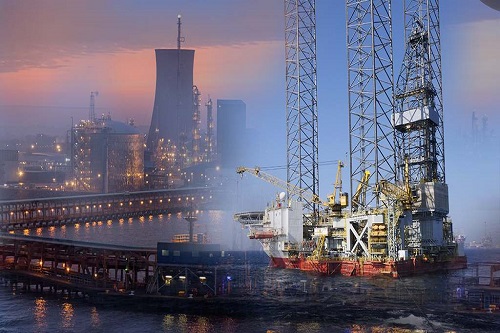
Isopropyl Alcohol Price Trend, Monitor, Supply & Demand, Forecast | ChemAnalyst

Isopropyl Alcohol (IPA) Prices has emerged as a pivotal player in various industries, influencing market dynamics and prices. The IPA market is inherently versatile, finding applications across pharmaceuticals, cosmetics, electronics, and industrial sectors. One of the primary factors contributing to the fluctuation in IPA market prices is the dynamic supply-demand equilibrium. The demand for IPA has witnessed significant upswings, especially in the healthcare and pharmaceutical sectors, where it serves as a crucial ingredient in the formulation of sanitizers and disinfectants.

The heightened need for hand sanitizers and surface disinfectants led to a surge in IPA consumption, causing a strain on the existing supply chain. The resulting imbalance between supply and demand exerted upward pressure on IPA prices. Additionally, the pharmaceutical industry’s reliance on IPA for drug manufacturing further amplified the demand, creating a competitive market scenario.

Moreover, IPA’s significance in the electronics industry, where it is utilized for cleaning and removing residues from electronic components, has contributed to its market volatility. The burgeoning growth of the electronics sector, driven by technological advancements, has increased IPA consumption. As a consequence, any disruptions in the IPA supply chain, whether due to production constraints or raw material shortages, have a ripple effect on market prices.

Get Real Time Prices of Isopropyl Alcohol (IPA):  https://www.chemanalyst.com/Pricing-data/isopropyl-alcohol-31

The IPA market is also influenced by raw material costs, primarily derived from propylene – a key precursor in the production of IPA. Fluctuations in propylene prices, driven by factors such as feedstock availability, geopolitical events, or natural disasters, directly impact IPA production costs. Consequently, these variations in production costs influence IPA market prices. The interconnectedness of the petrochemical industry and the IPA market accentuates the sensitivity of IPA prices to external factors affecting raw material availability and costs.

Government regulations and trade policies further contribute to the complexity of the IPA market. Stringent quality standards and safety regulations imposed by regulatory bodies impact IPA production processes, potentially leading to increased compliance costs. Additionally, trade tariffs and restrictions on the import/export of IPA and its raw materials can influence market dynamics, affecting both supply and pricing. Global geopolitical events, such as trade disputes or changes in international relations, can introduce uncertainties that reverberate throughout the IPA market.

Furthermore, the environmental and sustainability trends shaping various industries have implications for the IPA market. The increasing focus on eco-friendly and sustainable practices has led to innovations in IPA production methods, emphasizing green chemistry principles. Companies adopting environmentally responsible manufacturing processes may incur higher production costs, which can, in turn, influence market prices. Consumer preferences for sustainable and ethically sourced products also contribute to the evolving landscape of the IPA market.

In conclusion, the Isopropyl Alcohol (IPA) market is a dynamic and multifaceted space influenced by a myriad of factors. The interplay of supply and demand, raw material costs, regulatory dynamics, and sustainability trends collectively contribute to the volatility in IPA market prices. The COVID-19 pandemic and its aftermath have underscored the resilience and adaptability of the IPA market, showcasing its ability to respond to evolving global challenges. As industries continue to navigate uncertainties, the IPA market remains a key barometer of economic resilience and adaptability in the face of changing circumstances. Market participants must stay attuned to these diverse influences to make informed decisions in this ever-evolving landscape.

Contact Us:

ChemAnalyst

GmbH – S-01, 2.floor, Subbelrather Straße,

15a Cologne, 50823, Germany

Call: +49-221-6505-8833

Email: sales@chemanalyst.com

Website: https://www.chemanalyst.com

Isoprene Rubber Price Trend, Monitor, Supply & Demand, Forecast | ChemAnalyst

Isoprene rubber Prices a synthetic elastomer derived from isoprene monomers, has witnessed dynamic fluctuations in its market prices, influenced by a myriad of factors. The isoprene rubber market is a critical component of the global rubber industry, serving diverse applications such as tires, automotive parts, medical devices, and consumer goods. The pricing trends in this market are intricately linked to the broader economic landscape, raw material costs, and geopolitical factors.

One of the primary drivers affecting isoprene rubber prices is the demand-supply dynamics within the industry. As the automotive sector constitutes a significant consumer of isoprene rubber, any fluctuations in the global automotive market can have a direct impact on prices. For instance, periods of economic growth often lead to increased demand for vehicles, subsequently driving up the demand for isoprene rubber in tire manufacturing. Conversely, economic downturns can result in reduced demand, creating downward pressure on prices.

Raw material costs play a pivotal role in determining isoprene rubber prices. Isoprene, the key monomer used in its production, is derived from petrochemical sources. Thus, fluctuations in crude oil prices can have a cascading effect on isoprene rubber costs. Additionally, factors affecting the production of isoprene, such as disruptions in the supply chain or changes in feedstock availability, can contribute to price volatility. Producers closely monitor these factors, adjusting prices to reflect the underlying cost structure.

Get Real Time Prices of Isoprene Rubber:  https://www.chemanalyst.com/Pricing-data/isoprene-rubber-1501

Geopolitical events and trade policies also exert a substantial influence on isoprene rubber market prices. Tariffs, trade agreements, and diplomatic relations impact the cost of raw materials, transportation, and overall market dynamics. For instance, trade tensions between major economies can lead to increased costs due to tariffs on critical inputs or disruptions in supply chains. Conversely, favorable trade agreements and stable geopolitical conditions can contribute to a more predictable pricing environment.

Environmental regulations and sustainability initiatives have emerged as critical determinants of isoprene rubber prices in recent years. As the global focus on reducing carbon emissions intensifies, there is a growing demand for eco-friendly alternatives in various industries. Isoprene rubber, being a synthetic material, faces scrutiny in terms of its environmental impact. Consequently, regulatory changes or increased consumer preference for sustainable products can influence the market, affecting both demand and prices.

The global nature of the isoprene rubber market means that currency exchange rates play a vital role in shaping pricing trends. Fluctuations in currency values, especially those of major trading currencies like the US Dollar and Euro, can impact the competitiveness of isoprene rubber producers in different regions. Currency devaluations or appreciations can influence export-import dynamics, leading to adjustments in prices to maintain market share.

Technological advancements and innovations within the rubber industry also contribute to pricing trends. Improvements in manufacturing processes, the development of new formulations, and enhanced performance characteristics can affect the demand for isoprene rubber. Producers that invest in research and development to create innovative products may command premium prices, driving overall market dynamics.

In conclusion, the isoprene rubber market is characterized by a complex interplay of factors that collectively influence pricing trends. From demand-supply dynamics and raw material costs to geopolitical events and environmental considerations, each element contributes to the overall volatility in isoprene rubber prices. Stakeholders in this market must navigate these multifaceted influences to make informed decisions and adapt to the ever-evolving landscape of the isoprene rubber industry.

Contact Us:

ChemAnalyst

GmbH – S-01, 2.floor, Subbelrather Straße,

15a Cologne, 50823, Germany

Call: +49-221-6505-8833

Email: sales@chemanalyst.com

Website: https://www.chemanalyst.com

Isophthalic Acid Price Trend, Monitor, Supply & Demand, Forecast | ChemAnalyst

The Isophthalic Acid Prices is witnessing dynamic fluctuations in prices, influenced by a myriad of factors that underscore the complexity of the global chemical industry. As a key intermediate in the production of various polymers and resins, Isophthalic Acid plays a pivotal role in sectors such as textiles, coatings, and plastics. The market prices of Isophthalic Acid are subject to the interplay of supply and demand dynamics, raw material costs, geopolitical events, and the overall health of the global economy.

One of the primary drivers impacting Isophthalic Acid prices is the demand-supply equilibrium. The growing demand for polymers and resins, particularly in the construction and automotive industries, has led to an increased need for Isophthalic Acid. This surge in demand has, in turn, exerted upward pressure on prices. Additionally, the supply side of the equation is influenced by the production capacity of Isophthalic Acid manufacturers, which can be affected by factors such as plant maintenance, expansions, or closures.

Raw material costs constitute another significant factor influencing Isophthalic Acid market prices. The primary raw materials for Isophthalic Acid production include xylene and maleic anhydride. Fluctuations in the prices of these raw materials, driven by factors like feedstock availability, production capacity, and geopolitical events, directly impact the cost structure of Isophthalic Acid manufacturers. As a result, any volatility in the prices of xylene or maleic anhydride can reverberate throughout the Isophthalic Acid market, leading to price adjustments.

Geopolitical events and trade relations also contribute to the price dynamics of Isophthalic Acid. Tariffs, trade agreements, and diplomatic tensions between key manufacturing and consuming nations can disrupt the supply chain and introduce uncertainties, affecting market prices. In a globally interconnected market, any trade policies or geopolitical shifts can have a cascading effect on the cost of Isophthalic Acid, adding an additional layer of complexity to price forecasting.

Get Real Time Prices of Isophthalic Acid: https://www.chemanalyst.com/Pricing-data/isophthalic-acid-1159

Furthermore, the overall economic health of major consumer industries, such as construction and automotive, significantly influences Isophthalic Acid market prices. Economic downturns can lead to a contraction in demand for end-use products, impacting the utilization of Isophthalic Acid in various applications. Conversely, economic growth and industrial expansion drive demand, putting upward pressure on Isophthalic Acid prices. As a result, market participants closely monitor economic indicators and trends to anticipate potential shifts in demand that could impact pricing dynamics.

Environmental regulations and sustainability initiatives also contribute to the pricing considerations in the Isophthalic Acid market. As industries worldwide increasingly prioritize eco-friendly practices, the demand for sustainable materials and processes has grown. Isophthalic Acid manufacturers are adapting to this paradigm shift by incorporating green practices in their production processes. However, the transition to sustainable alternatives may entail additional costs, potentially influencing market prices.

The Isophthalic Acid market is characterized by a complex interplay of factors that collectively determine its pricing dynamics. The delicate balance between supply and demand, coupled with the influence of raw material costs, geopolitical events, economic conditions, and sustainability trends, creates a landscape where market participants must navigate with strategic foresight. As the global chemical industry continues to evolve, staying attuned to these multifaceted factors is crucial for understanding and predicting the trajectory of Isophthalic Acid market prices.

Contact Us:

ChemAnalyst

GmbH – S-01, 2.floor, Subbelrather Straße,

15a Cologne, 50823, Germany

Call: +49-221-6505-8833

Email: sales@chemanalyst.com

Website: https://www.chemanalyst.com