Lithium Metal Price, News, Trend, Monitor, Supply & Demand, Forecast | ChemAnalyst

The Lithium Metal Prices has witnessed significant fluctuations in prices, driven by a multitude of factors ranging from supply and demand dynamics to geopolitical tensions. As the demand for electric vehicles (EVs) continues to surge globally, lithium, a crucial component in rechargeable batteries, has become a focal point in the energy transition. The market’s sensitivity to various influences has led to notable price volatility, impacting industries reliant on lithium for their technological advancements.

One of the primary drivers of lithium prices is the booming electric vehicle sector. As countries strive to reduce their carbon footprint and transition towards sustainable energy alternatives, the demand for lithium-ion batteries has skyrocketed. EV manufacturers, in particular, heavily rely on lithium to power their vehicles, contributing to the surge in demand. This surge, coupled with the limited number of lithium producers globally, has created a supply-demand imbalance, thereby influencing market prices.

Geopolitical factors also play a crucial role in determining lithium metal prices. The majority of the world’s lithium reserves are concentrated in a few countries, such as Australia, Chile, and China. Any disruptions in the production or export of lithium from these key players can have a cascading effect on global prices. Political instability, trade tensions, or regulatory changes in these lithium-rich nations can directly impact the supply chain, leading to fluctuations in market prices.

Get Real Time Prices of Lithium Metal: https://www.chemanalyst.com/Pricing-data/lithium-metal-1440

Technological advancements and innovations in lithium extraction processes further contribute to market dynamics. Researchers and companies are continually exploring more efficient and sustainable methods to extract lithium, thereby affecting production costs and subsequently influencing market prices. Additionally, breakthroughs in battery technology that reduce the overall lithium content or improve energy density can also impact the demand for lithium, consequently affecting its market prices.

Market sentiment and investor speculation can lead to short-term fluctuations in lithium prices. As the lithium market garners attention from investors seeking opportunities in the renewable energy sector, any perceived changes in future demand or supply can trigger speculative buying or selling. This speculative activity can contribute to short-term spikes or dips in lithium prices, adding an element of unpredictability to the market.

Environmental considerations and sustainability concerns have also started to influence the lithium market. Stakeholders across industries are increasingly prioritizing responsibly sourced materials, including lithium, to align with global sustainability goals. Companies that adopt eco-friendly mining practices or invest in recycling technologies for lithium batteries may gain a competitive edge, impacting market prices based on ethical and environmental considerations.

Moreover, regulatory changes and government policies can significantly impact the lithium market. Subsidies, incentives, or regulations supporting the adoption of electric vehicles or renewable energy sources can influence the demand for lithium and subsequently impact market prices. Similarly, changes in mining regulations or environmental standards in key lithium-producing countries can affect the overall supply chain and market prices.

In conclusion, the lithium metal market is a complex and dynamic landscape influenced by a myriad of factors. The surge in demand driven by the electric vehicle revolution, geopolitical considerations, technological advancements, investor sentiment, environmental concerns, and regulatory changes all contribute to the intricate web of influences on lithium prices. As the world continues to navigate the transition towards a more sustainable and electrified future, the lithium market is likely to remain a focal point for industries and investors alike, with prices subject to ongoing fluctuations based on these multifaceted factors.

Contact Us:

ChemAnalyst

GmbH – S-01, 2.floor, Subbelrather Straße,

15a Cologne, 50823, Germany

Call: +49-221-6505-8833

Email: sales@chemanalyst.com

Website: https://www.chemanalyst.com

Lithium Hydroxide Price, News, Trend, Monitor, Supply & Demand, Forecast | ChemAnalyst

The Lithium Hydroxide Prices has been experiencing dynamic shifts in pricing, reflecting the evolving landscape of the global energy and technology sectors. As of the latest updates, the market prices for Lithium Hydroxide have displayed notable fluctuations, influenced by factors such as demand-supply dynamics, geopolitical developments, and advancements in renewable energy technologies.

One of the primary drivers impacting Lithium Hydroxide prices is the growing demand for electric vehicles (EVs). With the automotive industry increasingly shifting towards sustainable and eco-friendly solutions, the demand for lithium-ion batteries has surged. Lithium Hydroxide is a key component in these batteries, making it a pivotal player in the electric mobility revolution. As governments worldwide push for stricter emission norms and incentives for electric vehicle adoption, the Lithium Hydroxide market has responded with increased prices to meet the heightened demand.

Global efforts to reduce carbon emissions and transition towards cleaner energy sources have also contributed to the upward trajectory of Lithium Hydroxide prices. The energy storage sector, particularly in renewable energy applications like solar and wind power, relies heavily on lithium-ion batteries. The need for efficient energy storage solutions has elevated the demand for Lithium Hydroxide, putting upward pressure on market prices.

Moreover, geopolitical factors have introduced an additional layer of complexity to the Lithium Hydroxide market. The majority of the world’s lithium resources are concentrated in a few countries, and any disruptions in the supply chain, whether due to political tensions or logistical challenges, can have a direct impact on prices. Investors and industry stakeholders closely monitor geopolitical developments to anticipate potential shifts in the Lithium Hydroxide market and adjust strategies accordingly.

Get Real Time Prices of Lithium Hydroxide Prices: https://www.chemanalyst.com/Pricing-data/lithium-hydroxide-1267

Innovation in battery technology is another influential factor affecting Lithium Hydroxide prices. Ongoing research and development activities aimed at improving the performance and longevity of lithium-ion batteries contribute to fluctuations in demand for Lithium Hydroxide. As new technologies emerge, the market responds with adjustments in prices to accommodate these advancements, reflecting the constant evolution of the energy storage landscape.

The COVID-19 pandemic has also left its mark on the Lithium Hydroxide market. Disruptions in supply chains, temporary shutdowns of production facilities, and changes in consumer behavior have all played a role in shaping market dynamics. While the pandemic initially led to a dip in demand for electric vehicles and subsequently Lithium Hydroxide, the recovery phase has seen a resurgence in the market as economies reopen and global demand for clean energy solutions rebounds.

Investors and industry analysts closely follow market trends and key indicators to make informed decisions in this dynamic landscape. Understanding the intricate interplay between macroeconomic factors, technological advancements, and geopolitical events is essential for navigating the complexities of the Lithium Hydroxide market. As prices continue to respond to the ever-changing dynamics of the global energy transition, stakeholders must remain agile and proactive in adapting their strategies to stay ahead in this competitive and evolving market.

In conclusion, the Lithium Hydroxide market is undergoing a period of transformation driven by the surging demand for electric vehicles, the push towards cleaner energy solutions, geopolitical considerations, and ongoing innovations in battery technology. The intricate web of factors influencing market prices requires a nuanced understanding for businesses and investors to navigate successfully in this evolving landscape.

Contact Us:

ChemAnalyst

GmbH – S-01, 2.floor, Subbelrather Straße,

15a Cologne, 50823, Germany

Call: +49-221-6505-8833

Email: sales@chemanalyst.com

Website: https://www.chemanalyst.com

Lithium Carbonate Price, News, Trend, Monitor, Supply & Demand, Forecast | ChemAnalyst

The Lithium Carbonate prices have experienced a dynamic trajectory in recent times, reflecting the ever-evolving landscape of the global energy and technology sectors. As a critical component in the production of lithium-ion batteries, which power a plethora of devices from smartphones to electric vehicles, the demand for Lithium Carbonate has surged in tandem with the growing push towards sustainable energy solutions. The market’s pricing dynamics are influenced by a myriad of factors, ranging from geopolitical events to technological advancements, making it a complex and volatile landscape.

One significant driver of Lithium Carbonate prices is the exponential growth in the electric vehicle (EV) market. With governments worldwide emphasizing a shift towards cleaner and greener transportation, the demand for lithium-ion batteries has soared. Lithium Carbonate, a key ingredient in these batteries, has consequently witnessed an uptick in demand, exerting upward pressure on its prices. As major automotive players invest heavily in electric mobility, the Lithium Carbonate market has become a focal point for investors and industry stakeholders keen on capitalizing on the EV revolution.

Geopolitical factors also play a pivotal role in shaping the pricing trends of Lithium Carbonate. The majority of the world’s lithium reserves are concentrated in a handful of countries, with Australia, Chile, and China being significant players. Any disruptions in the supply chain, be it due to political instability or regulatory changes, can have a profound impact on market prices. Investors closely monitor these geopolitical developments, as they can trigger fluctuations that ripple through the entire Lithium Carbonate market.

Get Real Time Prices of Lithium Carbonate prices: https://www.chemanalyst.com/Pricing-data/lithium-carbonate-1269

Furthermore, advancements in battery technology and energy storage solutions contribute to the intricate pricing dynamics of Lithium Carbonate. As researchers and engineers explore new materials and chemistries to enhance battery performance and longevity, the demand for specific formulations of Lithium Carbonate may shift. This technological evolution introduces an element of uncertainty, with market players keeping a watchful eye on breakthroughs that could reshape the demand landscape and subsequently influence prices.

Market sentiment and investor speculation also contribute to the volatility in Lithium Carbonate prices. Given the industry’s growth potential and the pivotal role of lithium-ion batteries in various sectors, the market is susceptible to speculative activities that can amplify price swings. Analysts often gauge the prevailing sentiment in the financial markets, as it provides insights into potential price movements, creating an environment where market psychology can impact the Lithium Carbonate pricing landscape.

In addition to these factors, environmental and regulatory considerations contribute to the pricing complexity. Governments worldwide are increasingly implementing policies to promote clean energy and reduce carbon emissions, which directly impacts the demand for Lithium Carbonate. Stringent environmental standards and regulations can either spur investment in lithium extraction and processing or pose challenges that affect the overall supply chain, influencing prices accordingly.

In conclusion, the Lithium Carbonate market prices are shaped by a confluence of factors, each contributing to the complex and dynamic nature of this essential commodity. The surge in electric vehicle adoption, geopolitical influences, technological advancements, market sentiment, and regulatory frameworks collectively mold the pricing landscape. As industries and governments continue to prioritize sustainability and clean energy solutions, the Lithium Carbonate market is likely to remain a focal point of attention, with its prices reflecting the ongoing evolution of the global energy and technology sectors. Navigating this intricate market requires a keen understanding of these multifaceted influences, as participants seek to capitalize on opportunities in this crucial element of the renewable energy supply chain.

Contact Us:

ChemAnalyst

GmbH – S-01, 2.floor, Subbelrather Straße,

15a Cologne, 50823, Germany

Call: +49-221-6505-8833

Email: sales@chemanalyst.com

Website: https://www.chemanalyst.com

Liquid Chlorine Price, News, Trend, Monitor, Supply & Demand, Forecast | ChemAnalyst

The Liquid Chlorine prices have been subject to dynamic fluctuations in recent times, influenced by a multitude of factors spanning from supply chain disruptions to global economic conditions. This essential chemical compound is a crucial component in various industries, including water treatment, pharmaceuticals, and the production of plastics and chemicals. Understanding the nuances of the Liquid Chlorine market requires an exploration of the diverse elements that contribute to its pricing mechanisms.

One significant factor impacting Liquid Chlorine prices is the cost of raw materials. Chlorine is primarily produced through the electrolysis of salt, with electricity being a major input. Fluctuations in electricity prices, driven by changes in energy markets or geopolitical events, can substantially influence the overall cost of producing Liquid Chlorine. Additionally, the availability and cost of salt, a key raw material in chlorine production, play a pivotal role in determining market prices.

Furthermore, the global demand for Liquid Chlorine has a profound impact on its market prices. Industries such as water treatment heavily rely on Liquid Chlorine for disinfection purposes. With the growing awareness of the importance of water sanitation, the demand for Liquid Chlorine has witnessed an uptick. Conversely, economic downturns or shifts in industrial practices can result in decreased demand, thereby affecting market prices. The COVID-19 pandemic, for instance, disrupted industrial activities globally, contributing to fluctuations in demand for various chemicals, including Liquid Chlorine.

Get Real Time Prices of Liquid Chlorine: https://www.chemanalyst.com/Pricing-data/liquid-chlorine-45

Supply chain dynamics also contribute significantly to the pricing volatility in the Liquid Chlorine market. Interruptions in the production or transportation of Liquid Chlorine can lead to shortages, subsequently driving prices higher. Such disruptions may be caused by natural disasters, accidents, or logistical challenges. The industry’s resilience and ability to adapt to these challenges impact the severity and duration of the price fluctuations.

Environmental regulations and compliance standards are pivotal influencers in the Liquid Chlorine market. Stringent regulations regarding the handling, transportation, and storage of hazardous chemicals, including Liquid Chlorine, can impose additional costs on manufacturers. Compliance with these regulations may necessitate investments in technology and infrastructure, contributing to an increase in overall production costs. As a result, these added expenses may be reflected in the market prices of Liquid Chlorine.

Global trade dynamics also contribute to the price movements in the Liquid Chlorine market. The interconnectedness of economies and trade relationships means that changes in tariffs, trade agreements, or geopolitical tensions can impact the cost of importing or exporting Liquid Chlorine. Trade policies and international relations thus become integral considerations for market participants seeking to navigate the pricing landscape effectively.

Investments in research and development (R&D) within the chemical industry can influence Liquid Chlorine market prices. Innovations in production processes, such as the development of more efficient and sustainable methods, can impact the cost structure of Liquid Chlorine manufacturing. Market participants who adopt and integrate such advancements may gain a competitive edge, potentially influencing overall market prices.

In conclusion, the Liquid Chlorine market is a dynamic landscape shaped by a multitude of factors, each contributing to the ebb and flow of prices. From raw material costs and global demand to supply chain disruptions and regulatory landscapes, market participants must navigate a complex web of influences. Understanding these intricacies is essential for businesses seeking to anticipate and adapt to changes in Liquid Chlorine market prices, ultimately ensuring their competitiveness and sustainability in this critical industry.

Contact Us:

ChemAnalyst

GmbH – S-01, 2.floor, Subbelrather Straße,

15a Cologne, 50823, Germany

Call: +49-221-6505-8833

Email: sales@chemanalyst.com

Website: https://www.chemanalyst.com

Linear Alpha Olefin Price, News, Trend, Monitor, Supply & Demand, Forecast | ChemAnalyst

The Linear Alpha Olefin (LAO) Prices is a critical segment within the petrochemical industry, playing a pivotal role in the production of various synthetic materials. As demand for petrochemical products continues to rise, the pricing dynamics of Linear Alpha Olefins have become increasingly significant. Several factors contribute to the fluctuations in LAO market prices, making it a closely monitored and dynamic sector.

One of the primary drivers of Linear Alpha Olefin prices is the overall supply and demand balance in the petrochemical industry. The production of LAOs is closely tied to the production of ethylene, which is a key raw material. As the demand for ethylene increases, so does the demand for Linear Alpha Olefins. The interdependence of these two components creates a delicate balance that influences the pricing structure of the LAO market.

Crude oil prices also exert a substantial impact on the Linear Alpha Olefin market. Given that LAOs are derived from crude oil, any fluctuations in crude oil prices directly affect the production costs of Linear Alpha Olefins. Moreover, geopolitical events, natural disasters, and global economic conditions can contribute to volatility in crude oil prices, amplifying the uncertainty in the Linear Alpha Olefin market.

The technological landscape plays a vital role in shaping the prices of Linear Alpha Olefins. Advances in production technologies, such as metallocene catalysts, have the potential to enhance the efficiency of LAO production. As new technologies emerge, they can impact the cost structure of Linear Alpha Olefin manufacturing, influencing market prices.

Get Real Time Prices of Linear Alpha Olefin (LAO): https://www.chemanalyst.com/Pricing-data/linear-alpha-olefin-1103

Environmental regulations and sustainability trends are increasingly becoming key factors in the Linear Alpha Olefin market. As the global focus on sustainability grows, there is a rising demand for bio-based and environmentally friendly alternatives. This shift in consumer preferences and regulatory pressures can impact the demand for traditional petrochemical-derived LAOs, influencing their prices in the market.

Global economic conditions and trade dynamics further contribute to the pricing complexities of Linear Alpha Olefins. Fluctuations in currency exchange rates, trade tariffs, and geopolitical tensions can all influence the cost of production, transportation, and distribution of LAOs. These factors add an additional layer of uncertainty to the market, making it susceptible to external economic forces.

The competitive landscape within the petrochemical industry also shapes the pricing trends of Linear Alpha Olefins. The market is characterized by a few key players, and their production capacities, market share, and strategic decisions can impact overall supply and demand dynamics. Mergers, acquisitions, and capacity expansions within the industry can lead to shifts in market prices as companies strive to maintain a competitive edge.

Market sentiment and speculation contribute to short-term fluctuations in Linear Alpha Olefin prices. Traders and investors closely monitor market trends, news, and events that may impact the supply-demand balance or production costs. This heightened sensitivity to external factors can lead to rapid price changes, creating both challenges and opportunities for market participants.

In conclusion, the Linear Alpha Olefin market is intricately connected to various factors that collectively influence its pricing dynamics. From supply and demand fundamentals to technological advancements, environmental considerations, and global economic conditions, a multitude of variables contribute to the complexity of LAO market prices. Stakeholders in the petrochemical industry need to remain vigilant and adaptable to navigate the ever-evolving landscape of the Linear Alpha Olefin market.

Contact Us:

ChemAnalyst

GmbH – S-01, 2.floor, Subbelrather Straße,

15a Cologne, 50823, Germany

Call: +49-221-6505-8833

Email: sales@chemanalyst.com

Website: https://www.chemanalyst.com

Linear Alkylbenzene Sulfonic Acid Price, News, Trend, Monitor, Supply & Demand, Forecast

Linear Alkylbenzene Sulfonic Acid (LABSA) Prices is a key ingredient in the production of various household and industrial cleaning products. As the demand for cleaning agents continues to rise, the LABSA market has witnessed fluctuations in prices influenced by several factors. One of the primary determinants of LABSA prices is the raw material cost. LABSA is synthesized from linear alkylbenzene (LAB), which is derived from crude oil. Therefore, any fluctuations in crude oil prices directly impact the cost of LABSA production, subsequently affecting market prices.

Global economic trends also play a crucial role in shaping the pricing dynamics of LABSA. Economic downturns can lead to a decrease in consumer spending on non-essential goods, affecting the demand for cleaning products and, consequently, impacting LABSA prices. On the other hand, economic growth can boost consumer spending and industrial activities, driving up the demand for cleaning agents and pushing LABSA prices higher.

Environmental regulations and sustainability initiatives have become increasingly influential in the chemical industry, impacting the production and pricing of LABSA. With a growing emphasis on eco-friendly and biodegradable formulations, manufacturers are investing in research and development to produce LABSA with lower environmental impact. This shift towards sustainable practices can result in increased production costs, affecting market prices.

Get Real Time Prices of Linear Alkylbenzene Sulfonic Acid (LABSA): https://www.chemanalyst.com/Pricing-data/linear-alkylbenzene-sulfonic-acid-labsa-15

Geopolitical factors also contribute to the volatility in LABSA prices. Political instability, trade tensions, and regional conflicts can disrupt the supply chain, leading to uncertainties in raw material availability and transportation, thereby affecting the overall cost of LABSA production. Additionally, changes in government policies and regulations related to the chemical industry can impact the market prices of LABSA.

Market competition is a significant factor influencing LABSA prices. The presence of multiple suppliers and manufacturers in the market creates a competitive environment where companies strive to offer competitive prices to gain market share. Intense competition can lead to price wars, causing fluctuations in LABSA prices as companies adjust their pricing strategies to maintain or increase their market share.

The evolving consumer preferences and lifestyle changes also contribute to the dynamics of the LABSA market. As consumers become more conscious of the environmental and health impacts of cleaning products, there is a growing demand for eco-friendly and sustainable formulations. Manufacturers responding to this shift may invest in innovative processes or source raw materials responsibly, which can influence the cost of LABSA production and subsequently impact market prices.

Furthermore, technological advancements in LABSA production processes can influence market prices. Innovations that enhance efficiency, reduce energy consumption, or improve the overall production yield can contribute to cost savings, allowing manufacturers to adjust prices accordingly. Conversely, disruptions or inefficiencies in production technologies may lead to increased production costs and higher market prices.

The global nature of the LABSA market makes it susceptible to currency fluctuations. Exchange rate variations can impact the cost of imported raw materials, influencing the overall production costs for LABSA manufacturers. Currency depreciation or appreciation can have a cascading effect on market prices, making it essential for industry players to monitor and adapt to currency-related challenges.

In conclusion, the pricing dynamics of the Linear Alkylbenzene Sulfonic Acid market are multifaceted, influenced by factors such as raw material costs, economic trends, environmental considerations, geopolitical factors, market competition, consumer preferences, technological advancements, and currency fluctuations. Industry participants must navigate these variables strategically to maintain competitiveness and meet the evolving demands of the market. Understanding and adapting to these influences will be crucial for stakeholders in the LABSA market to make informed decisions and thrive in a dynamic business environment.

Contact Us:

ChemAnalyst

GmbH – S-01, 2.floor, Subbelrather Straße,

15a Cologne, 50823, Germany

Call: +49-221-6505-8833

Email: sales@chemanalyst.com

Website: https://www.chemanalyst.com

Leatherette Price, News, Trend, Monitor, Supply & Demand, Forecast | ChemAnalyst

The leatherette prices have witnessed dynamic fluctuations in recent years, responding to various factors such as raw material costs, production technologies, and consumer demand. As an alternative to genuine leather, leatherette has gained popularity for its affordability and versatility. The pricing trends in the leatherette market are closely tied to the costs associated with its primary components, such as polyurethane (PU) or polyvinyl chloride (PVC) and the manufacturing processes involved.

One of the key determinants influencing leatherette prices is the cost of raw materials. Polyurethane, a common material used in leatherette production, is derived from petrochemicals. Fluctuations in crude oil prices directly impact the cost of polyurethane, subsequently affecting the overall pricing of leatherette products. Additionally, environmental regulations and concerns may contribute to variations in the availability and cost of raw materials, influencing market prices.

Production technologies play a crucial role in shaping leatherette market prices. Innovations in manufacturing processes, such as advancements in embossing and finishing techniques, can impact the overall cost of leatherette. Manufacturers investing in state-of-the-art machinery and eco-friendly production methods may incur higher initial costs, but these investments can enhance product quality and appeal, potentially influencing pricing strategies.

Get Real Time Prices of Leatherette : https://www.chemanalyst.com/Pricing-data/leatherette-1567

Consumer demand and preferences also significantly contribute to the pricing dynamics of the leatherette market. As consumers increasingly seek sustainable and cruelty-free alternatives to genuine leather, the demand for leatherette has surged. However, this heightened demand can exert upward pressure on prices, especially if manufacturers invest in improving the aesthetics and durability of their leatherette products to meet evolving consumer expectations.

Global economic factors and geopolitical events can introduce uncertainties into the leatherette market, affecting pricing strategies. Trade tariffs, currency exchange rates, and geopolitical tensions may disrupt the supply chain, leading to cost implications for manufacturers. Consequently, these external factors can influence how companies adjust their pricing to navigate challenges and maintain market competitiveness.

Furthermore, regional variations in manufacturing and labor costs contribute to the diversity in leatherette market prices. Countries with lower production costs may offer more competitively priced leatherette products compared to regions with higher operating expenses. Manufacturers often consider these cost differentials when determining their pricing strategies, aiming to stay competitive in various markets.

Consumer awareness and education regarding the benefits and drawbacks of leatherette can also play a role in shaping market prices. As consumers become more informed about the environmental impact of certain materials and production processes, they may be willing to pay a premium for eco-friendly and sustainable leatherette options. This growing consciousness can influence manufacturers to adopt responsible practices, impacting production costs and subsequently influencing market prices.

In conclusion, the leatherette market prices are influenced by a myriad of interconnected factors, ranging from raw material costs and production technologies to consumer preferences and global economic conditions. The dynamic nature of these elements requires manufacturers to adapt their pricing strategies to stay competitive in the evolving market. As consumer awareness continues to grow, the demand for sustainable and ethically produced leatherette may shape the industry’s pricing landscape, encouraging manufacturers to prioritize responsible practices in both production and pricing.

Contact Us:

ChemAnalyst

GmbH – S-01, 2.floor, Subbelrather Straße,

15a Cologne, 50823, Germany

Call: +49-221-6505-8833

Email: sales@chemanalyst.com

Website: https://www.chemanalyst.com

Di-Ter-Butyl Phenol Price, News, Trend, Monitor, Supply & Demand, Forecast | ChemAnalyst

Di-Ter-Butyl Phenol (DTBP) Prices a chemical compound widely used in various industrial applications, has witnessed fluctuations in its market prices, reflecting the dynamic nature of the chemical industry. The pricing trends of DTBP are influenced by a myriad of factors, including raw material costs, demand-supply dynamics, and global economic conditions. As of the latest analysis, the Di-Ter-Butyl Phenol market prices have experienced a moderate increase, driven primarily by the growing demand for this compound across diverse sectors.

One key factor contributing to the upward trajectory of DTBP prices is the surge in demand from the polymer industry. Di-Ter-Butyl Phenol serves as a crucial intermediate in the production of antioxidants, which find extensive use in polymer manufacturing. With the rising demand for polymers in packaging, automotive, and construction industries, the need for DTBP has intensified, consequently putting upward pressure on its market prices. The intricate relationship between the polymer sector and DTBP pricing underscores the significance of the compound in sustaining industrial processes.

Moreover, the global shift towards eco-friendly and sustainable practices has also impacted Di-Ter-Butyl Phenol market prices. As industries strive to adopt greener alternatives and comply with stringent environmental regulations, the demand for environmentally friendly chemicals has surged. DTBP, with its applications in biodegradable lubricants and other eco-friendly formulations, has witnessed increased demand, leading to an augmentation in its market prices. This trend is indicative of a broader industry movement towards sustainability and responsible chemical usage.

Raw material costs play a pivotal role in determining the overall pricing dynamics of Di-Ter-Butyl Phenol. The primary raw materials for DTBP synthesis include phenol and isobutylene. Fluctuations in the prices of these key inputs directly impact the cost structure of DTBP production. Recently, there has been a notable increase in phenol prices, driven by factors such as supply chain disruptions, geopolitical tensions, and the overall volatility in the petrochemical markets. These rising raw material costs have exerted upward pressure on the overall Di-Ter-Butyl Phenol market prices.

Get Real Time Prices of Di-Ter-Butyl Phenol (DTBP): https://www.chemanalyst.com/Pricing-data/di-ter-butyl-phenol-1566

The global supply-demand balance also plays a critical role in shaping the pricing trends of Di-Ter-Butyl Phenol. The compound is produced and consumed on a global scale, with key market players situated across various regions. Disruptions in the supply chain, whether due to geopolitical tensions, natural disasters, or logistical challenges, can have a profound impact on the availability of DTBP, influencing its market prices. The delicate equilibrium between supply and demand is a key consideration for industry stakeholders and investors monitoring the Di-Ter-Butyl Phenol market.

In addition to the aforementioned factors, the overall economic conditions on a global scale contribute significantly to the pricing fluctuations of Di-Ter-Butyl Phenol. Economic downturns or uncertainties can lead to reduced industrial activities, affecting the demand for chemicals like DTBP. Conversely, periods of economic growth can stimulate demand across various sectors, driving up the need for Di-Ter-Butyl Phenol and subsequently impacting its market prices.

In conclusion, the Di-Ter-Butyl Phenol market prices are subject to a complex interplay of factors ranging from industry-specific demand drivers to global economic conditions. The compound’s role as a crucial intermediate in polymer production, its relevance in sustainable practices, and the influence of raw material costs collectively contribute to the pricing dynamics of DTBP. Industry participants need to stay vigilant, monitoring these multifaceted factors to make informed decisions in a market that is inherently dynamic and responsive to a plethora of external influences.

Contact Us:

ChemAnalyst

GmbH – S-01, 2.floor, Subbelrather Straße,

15a Cologne, 50823, Germany

Call: +49-221-6505-8833

Email: sales@chemanalyst.com

Website: https://www.chemanalyst.com
Natural Steatite Price Trend, Monitor, Supply & Demand, Forecast | ChemAnalyst

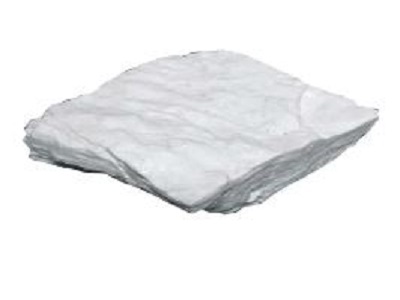
Natural Steatite Prices also known as soapstone, holds a significant position in the market due to its diverse applications and unique properties. Its widespread usage in various industries, coupled with its availability in abundant quantities, has a direct impact on market prices. As of the latest market trends, the prices of natural steatite are subject to dynamic fluctuations influenced by several factors.

One key determinant of natural steatite prices is the geological abundance of deposits. Regions with extensive natural steatite reserves tend to experience lower market prices as a result of the ample supply. Conversely, areas with limited access to these deposits may witness higher prices due to the scarcity of the resource. This geographical variation in availability plays a pivotal role in shaping the market dynamics and pricing structures.

The extraction and processing methods also contribute to the overall cost of natural steatite. Mines employing advanced technologies for extraction and processing may incur higher initial investments but can achieve economies of scale in the long run, leading to competitive pricing. Conversely, operations relying on outdated or inefficient techniques may face higher production costs, subsequently reflecting in elevated market prices for natural steatite.

Get Real Time Prices of Natural Steatite Price: https://www.chemanalyst.com/Pricing-data/natural-steatite-1565

Furthermore, the quality and purity of natural steatite significantly impact its market value. Variations in mineral composition, color, and texture can result in different grades of steatite, each catering to specific industry requirements. High-grade natural steatite, characterized by superior purity and desirable physical attributes, often commands higher prices in the market. Conversely, lower-grade steatite may find applications in less demanding industries, influencing its pricing accordingly.

Global economic trends and demand-supply dynamics also play a pivotal role in shaping natural steatite market prices. Fluctuations in the global economy can impact the demand for various products, subsequently influencing the demand for natural steatite in industries such as construction, ceramics, and metallurgy. In times of economic prosperity, increased construction activities and infrastructure development may drive up the demand for natural steatite, leading to higher market prices. Conversely, economic downturns may result in reduced demand, causing a downward pressure on prices.

Environmental and regulatory factors contribute to the cost structure of natural steatite mining and processing. Stringent environmental regulations may necessitate the adoption of eco-friendly practices and technologies, adding to the operational costs for companies in the natural steatite industry. Compliance with such regulations can influence market prices as companies incorporate these additional costs into their pricing strategies.

Transportation costs also play a crucial role in determining the final market prices of natural steatite. As a bulk commodity, the transportation expenses from the mining site to end-users or manufacturing facilities can significantly impact the overall cost structure. Factors such as distance, infrastructure, and mode of transportation contribute to the logistical costs associated with natural steatite, influencing its market prices accordingly.

In conclusion, the natural steatite market is subject to a multitude of factors that collectively determine its prices. From geological abundance and extraction methods to quality variations and global economic trends, the interplay of these elements shapes the market dynamics. Understanding the intricate balance between supply and demand, environmental considerations, and logistical challenges is essential for stakeholders in the natural steatite industry to navigate the ever-evolving landscape of market prices. As industries continue to evolve, so too will the factors influencing the pricing structures of this versatile and valuable mineral, reinforcing the need for a comprehensive understanding of the market forces at play.

Contact Us:

ChemAnalyst

GmbH – S-01, 2.floor, Subbelrather Straße,

15a Cologne, 50823, Germany

Call: +49-221-6505-8833

Email: sales@chemanalyst.com

Website: https://www.chemanalyst.com

Urea Ammonium Nitrate Price Trend, Monitor, Supply & Demand, Forecast | ChemAnalyst

The Urea Ammonium Nitrate (UAN) prices have been subject to dynamic fluctuations in recent times, reflecting the intricate interplay of various factors within the global agricultural landscape. UAN, a liquid fertilizer composed of urea, ammonium nitrate, and water, plays a pivotal role in enhancing crop yields and ensuring food security. As of the latest market trends, the pricing dynamics of UAN have been influenced by a confluence of factors that extend beyond traditional supply and demand dynamics.

One crucial factor impacting UAN market prices is the volatility in raw material costs. Urea, a key component of UAN, is derived from natural gas and is thus susceptible to fluctuations in the energy markets. Any disturbances in the global energy sector, geopolitical tensions, or shifts in natural gas prices can directly influence the cost of producing urea, subsequently affecting the overall UAN market prices. Furthermore, the dependency of UAN on ammonium nitrate adds another layer of complexity, as the production of ammonium nitrate involves nitrogen and ammonia feedstocks, the prices of which are intertwined with global market dynamics.

The agricultural sector’s cyclical nature also contributes to the variability in UAN prices. Seasonal demands, planting and harvesting cycles, and weather conditions can significantly impact the need for fertilizers, including UAN. Farmers tend to adjust their fertilizer purchases based on the specific requirements of each planting season, responding to factors like crop choice, soil conditions, and weather forecasts. Consequently, UAN prices experience periodic fluctuations as they align with the ebb and flow of agricultural activities.

Government policies and regulations pertaining to agriculture and environmental sustainability also exert a substantial influence on UAN market prices. Changes in regulations related to fertilizer use, environmental concerns, and agricultural practices can impact the demand for UAN and, subsequently, its pricing. Additionally, government subsidies or incentives for certain crops or sustainable farming practices can create shifts in the market dynamics, influencing the overall pricing trends of UAN.

Get Real Time Prices of Urea Ammonium Nitrate (UAN): https://www.chemanalyst.com/Pricing-data/urea-ammonium-nitrate-1564

Global economic conditions and trade dynamics further contribute to the complexity of UAN pricing. The interconnectedness of markets across borders means that events such as trade disputes, economic downturns, or shifts in currency values can have a cascading effect on UAN prices. International trade agreements, tariffs, and geopolitical events can disrupt the supply chain and contribute to price volatility, affecting both producers and consumers in the UAN market.

Market sentiment and speculation also play a role in shaping UAN prices. Traders, investors, and market participants react to news, forecasts, and geopolitical developments, influencing short-term pricing trends. Speculative activities can create price bubbles or sudden downturns, adding an element of unpredictability to the UAN market. As a result, the market’s sensitivity to information and sentiment contributes to the nuanced pricing dynamics of UAN.

In conclusion, the Urea Ammonium Nitrate market prices are intricately linked to a myriad of factors that collectively shape the landscape of global agriculture and the fertilizer industry. From raw material costs and seasonal demands to regulatory frameworks and international trade dynamics, the UAN market is subject to a complex web of influences. Understanding these multifaceted factors is crucial for industry stakeholders, farmers, and investors alike, as they navigate the challenges and opportunities presented by the ever-evolving UAN market.

Contact Us:

ChemAnalyst

GmbH – S-01, 2.floor, Subbelrather Straße,

15a Cologne, 50823, Germany

Call: +49-221-6505-8833

Email: sales@chemanalyst.com

Website: https://www.chemanalyst.com