Revolutionizing Industrial Production with Advanced Laser Marking Metal Technology

A batch of metal parts moves through inspection without issue—until one mark fails to scan correctly. The part itself is fine, the dimensions are accurate, but the identification is unreliable. That’s usually the moment when marking stops being invisible and starts becoming a problem.

In many production environments, marking is treated as something that happens at the end. But once output scales, even small inconsistencies begin to affect how parts move through inspection, handling, and assembly.

This is where laser marking metal begins to take on a different role—not as a finishing step, but as something that shapes how smoothly the rest of the operation runs.


Where Marking Starts to Create Friction

When marking works as expected, no one notices it. When it doesn’t, it slows everything down.

Operators spend extra time checking parts. Some markings need to be reworked. Others are accepted but create uncertainty later during inspection.

Over time, these small delays add up. Parts take longer to move forward. Teams begin adjusting their workflow to compensate, even if the root issue isn’t fully addressed.

The problem is not that marking fails completely. It’s that it behaves inconsistently under real conditions.


Why Traditional Methods Become Harder to Manage

Older marking methods were built for simpler production setups.

Mechanical approaches rely on physical contact, which can leave subtle changes on the surface. Chemical methods introduce additional steps that must be controlled carefully, especially when working at higher volumes.

Both approaches can produce usable results, but they require attention from operators. Adjustments become part of daily work, and results depend on how those adjustments are made.

That dependency makes it harder to maintain predictable output as production scales.

image_1774365792885


What Changes When Marking Becomes More Predictable

A noticeable shift happens when marking no longer depends heavily on manual correction.

Instead of adjusting for each variation, operators begin to see results that align more closely from one part to the next. Parts move forward without needing extra checks, and fewer corrections are required during handling.

This is where approaches based on controlled energy interaction, such as laser etching metal, start to fit more naturally into modern production environments.

The difference shows up in how the output behaves, not just how it looks.


How Equipment Influences Daily Work

When marking is consistent, the way people work changes.

Operators spend less time compensating for differences. Inspection becomes faster because marks are easier to read. Parts move through stages without interruption.

Systems like the Xlaserlab E3 are introduced in this context not because they add new steps, but because they remove friction from existing ones.

Instead of relying on constant adjustment, the process becomes easier to maintain across different operators and batches.


Where This Shift Becomes Visible

The impact of improved marking is not always dramatic, but it is noticeable.

Parts move more smoothly between stages. Inspection delays decrease. Fewer items need to be set aside for correction.

These changes don’t come from increasing speed. They come from reducing the number of small issues that slow everything down.

In high-volume environments, that reduction has a direct effect on how efficiently work progresses.


Why More Teams Are Moving in This Direction

As production demands increase, small inefficiencies become harder to ignore.

What worked at a smaller scale starts to create bottlenecks. Variations that once seemed minor begin to affect larger batches.

Teams begin looking for ways to reduce these variations without adding complexity.

That’s why marking methods are evolving—not because older approaches are unusable, but because newer ones require less ongoing correction.


Conclusion

Metal marking has always been part of production, but its importance is becoming more visible.

When marking introduces friction, it affects everything that follows. When it aligns with the rest of the workflow, it disappears into the background.

In many factories, marking is still treated as something added at the end. The difference shows up when it starts shaping what happens before and after it.

Design with Zero Threshold using Nano Banana 2

In the fast-paced world of e-commerce and digital marketing, the visual appeal of a product often dictates its commercial success. Historically, high-quality product photography was a luxury reserved for those with expensive DSLR cameras, studio lighting, and advanced Photoshop skills. However, the barrier to entry has crumbled. With the release of Nano Banana 2, the dream of “design with zero threshold” has become a reality. This state-of-the-art AI model allows anyone—from small business owners to hobbyist creators—to transform a simple snapshot into a high-end commercial asset. By leveraging the intuitive power of Nano Banana 2, the gap between a professional studio and a home office has finally been closed, making professional aesthetics accessible to all.


Design with zero threshold with nano banana 2

Why Nano Banana 2 is a Game-Changer for Non-Designers

For years, non-professionals struggled with the steep learning curve of traditional design software. Nano Banana 2 changes the narrative by shifting the focus from technical execution to creative vision.

Intelligent Composition and Style Transfer

One of the most significant advantages of this model is its ability to understand the spatial relationship between objects. Unlike older AI models that might distort product shapes, Nano Banana 2 maintains the integrity of your item while intelligently suggesting background compositions. Whether you need a sleek minimalist look or a vibrant lifestyle setting, the AI handles the heavy lifting of lighting, shadows, and perspective.

Seamless Text-to-Image and Image-to-Image Workflow

The transition from a mental concept to a finished visual is instantaneous. Nano Banana 2 excels at interpreting descriptive prompts and merging them with uploaded reference images. This “multi-image-to-image” capability means you can take a photo of your product on a messy kitchen table and tell the AI to place it on a marble countertop in a sunlit Mediterranean villa. The results are photorealistic and require zero manual masking.

Transforming Product Photography Across Every Scenario

The versatility of Nano Banana AI allows it to adapt to various niche markets, ensuring that regardless of what you are selling, the presentation is top-tier.

Picture (3)

One click generation of nano banana 2

E-commerce Listing Optimization

The most common hurdle for online sellers is creating a cohesive look for a storefront. Using Nano Banana 2, you can take a single product photo and generate a dozen different lifestyle scenes. This consistency builds brand trust, as customers see your products integrated into believable, high-quality environments without the need for a professional location shoot.

Social Media Content Creation

Instagram and TikTok demand a constant stream of fresh, eye-catching content. For a solo entrepreneur, keeping up with this demand is exhausting. Nano Banana 2 allows you to “remix” your product photos into trendy, seasonal themes—such as adding autumn leaves or festive holiday decorations—in seconds, ensuring your feed always looks updated and professional.

Digital Prototyping and Mockups

Before a product is even manufactured, designers can use Nano Banana 2 to create realistic mockups. By uploading a 2D logo and a basic product shape, the AI can render how the final physical item might look under professional studio lights. This is invaluable for pitch decks, crowdfunding campaigns, or gathering early customer feedback.

Catalog and Lookbook Styling

Fashion and lifestyle brands often require “lookbooks” that tell a story. Instead of hiring models and renting studios, Nano Banana 2 can generate high-fidelity backgrounds and even suggest complementary items to place in the frame. This creates a curated, editorial feel that was previously only achievable with a massive marketing budget.

Seasonal Marketing Campaigns

When Black Friday or Valentine’s Day approaches, your assets need to reflect the mood. Nano Banana 2 makes it easy to apply thematic filters and objects to your existing product shots. You can shift the color palette to warm golds for the holidays or bright pastels for spring, all while keeping the actual product looking sharp and untouched.

Key Features That Define Nano Banana 2

What sets this tool apart from generic AI generators is its specialized focus on high-fidelity image manipulation and professional-grade output.

Multi-Image Composition and Compositional Control

This isn’t just about generating a random image; it’s about control. Nano Banana 2 allows users to use multiple images to guide the final output. You can provide a photo of your product and a separate photo of a specific lighting style or background. The AI intelligently merges these elements, ensuring the product remains the focal point while adopting the aesthetic of the reference material.

Advanced Image Editing and “Redo with Pro”

Sometimes an image is 90% perfect but needs that extra “oomph.” The editing suite within the platform allows for granular adjustments. Furthermore, users on higher tiers can take a generated image and select “Redo with Pro” to access even higher resolution and more intricate detailing, ensuring the final asset is ready for large-scale print or high-definition web banners.

Photorealistic Texture and Lighting Rendering

The “Nano Banana 2” engine is specifically tuned for realism. It understands how light interacts with different surfaces—be it the matte finish of a tech gadget or the reflective shine of a jewelry piece. This results in shadows that look natural and reflections that accurately mirror the surrounding (AI-generated) environment, preventing that “uncanny valley” look often found in lower-quality AI art.

Conclusion: Empowering Your Creative Journey

The evolution of AI image tools has finally reached a point where “non-professional” is no longer a synonym for “low quality.” Live3D Nano-Banana 2 serves as a bridge, allowing anyone with an idea to compete with major brands on a visual level. By removing the technical hurdles of lighting, editing, and composition, it frees you to focus on what truly matters: your product and your story. In the modern marketplace, your visuals are your voice—make sure yours is heard clearly and beautifully.

Would you like me to generate a specific product image prompt using the Nano Banana 2 framework to get you started?

Nano Banana 2: Master the New Era of AI Collage Art

master blending different image styles of nano banana 2

In the rapidly evolving landscape of digital creativity, the boundaries between different artistic mediums are blurring faster than ever. We’ve entered a “New Era of Collage Art,” where the challenge is no longer just cutting and pasting, but achieving a harmonious synthesis between visuals that theoretically shouldn’t work together. Whether you are trying to merge a gritty cyberpunk cityscape with a soft Renaissance oil painting or combine a high-definition photograph with abstract geometric patterns, the technical friction has always been the “seams.” However, with the integration of Nano Banana 2, these creative roadblocks are disappearing. By leveraging the sophisticated latent space of Nano Banana 2 , artists can now achieve a level of stylistic cohesion that was previously impossible without hours of manual masking and color grading. This post explores how this cutting-edge technology allows you to fuse polar opposites into a single, breathtaking masterpiece.

The Technical Edge: Why Nano Banana 2 Redefines Image Merging

The process of blending two distinct images is fraught with challenges—lighting inconsistencies, resolution mismatches, and jarring stylistic transitions. Traditional editors treat images as static layers, but the AI-driven approach changes the fundamental chemistry of the composition.

Semantic Understanding of Visual Context

Unlike standard blending modes (like “Overlay” or “Multiply”), the engine behind this tool understands the content  of your images. It doesn’t just wash one color over another; it identifies subjects, foregrounds, and backgrounds. This ensures that when you merge a portrait with a textured landscape, the AI respects the contours of the human face while intelligently applying the stylistic elements of the second image.

Intelligent Color and Lighting Synchronization

One of the biggest advantages here is the automated lighting correction. When blending a daylight photo with a neon-lit night scene, the model calculates the global illumination required to make the composite look natural. It adjusts highlights and shadows across both sources, ensuring that the final output feels like it was captured by a single lens under a unified light source.

Seamless Style Transfer and Texture Mapping

Beyond simple transparency, the technology excels at “texture synthesis.” If you are blending a 3D render with a charcoal sketch, the AI doesn’t just ghost the sketch over the top. It can actually map the charcoal strokes onto the 3D geometry, creating a hybrid style that maintains the depth of the 3D model while adopting the tactile aesthetic of the sketch.

Creative Frontiers: Practical Use Cases for Seamless Blending


Blending result example of nano banana 2 in live3d

The ability to merge disparate styles isn’t just a technical gimmick; it is a powerful asset across various industries. By using Live3D Nano Banana 2 , creators can bridge the gap between imagination and reality in ways that feel organic and professional.

Concept Art and World Building

For game designers and concept artists, the “photo-bashing” technique is a staple. Traditionally, this involves stitching dozens of photos together to create a new environment. With this AI tool, you can take a basic 3D block-out and blend it with high-quality textures or architectural photos. The result is a cohesive environment sketch that maintains consistent perspective and mood, shaving days off the pre-visualization process.

High-End Fashion and Editorial Design

In the world of fashion photography, blending the “real” with the “surreal” is a major trend. Designers often want to place a model in an impossible environment—perhaps a dress made of liquid gold or a background consisting of van Gogh’s “Starry Night.” This tool allows editorial designers to blend these elements so perfectly that the fantastical elements appear to interact with the physical fabric and skin tones of the model.

Social Media Branding and Visual Identity

In a crowded digital space, “unique” is the currency of growth. Influencers and brands can use style blending to create a signature look that is impossible to replicate with standard filters. By blending high-contrast street photography with soft pastel illustrations, a brand can develop a visual language that feels both edgy and approachable, instantly recognizable in a user’s feed.

Marketing and Multi-Style Advertising

Advertisers often need to show a “before and after” or a “dual-use” case in a single frame. Instead of a hard line dividing the image, Nano Banana 2 allows for a soft, artistic transition where a vintage product “evolves” into its modern counterpart. This narrative-driven blending tells a story more effectively than a simple side-by-side comparison.

NFT Art and Digital Collectibles

For the crypto-art community, the “glitch-core” or “mixed-media” aesthetic is highly valued. Artists can blend traditional calligraphy with futuristic data-moshing patterns. The AI ensures that the intricate details of the calligraphy are preserved even as they are “corrupted” by the digital noise of the secondary style, resulting in a high-value, complex piece of digital property.

Personal Mementos and Gift Customization

On a more personal level, people love to see themselves in different artistic lights. Merging a family photo with a classic Disney-style animation or a traditional Chinese ink painting creates a unique piece of personalized art. The tool handles the heavy lifting of facial recognition and style application, making high-level art accessible to everyone.

Exploring the Powerhouse: Key Features of Live3D Nano Banana 2


Blending result example of nano banana 2 in live3d

What sets our nano banana ai apart from the sea of AI generators is its specific focus on the intersection of user control and automated intelligence. It isn’t just about clicking a button; it’s about steering a powerful engine toward a specific creative vision.

High-Fidelity Image-to-Image Composition

The core strength lies in its Image-to-Image (Img2Img) pipeline. Unlike text-to-image models that can be unpredictable, this feature allows you to use a reference image as a “structural anchor.” When you merge a second style onto it, the tool keeps the essential shapes and proportions intact, providing a level of reliability that professional workflows demand.

Granular Control over Style Intensity

Not every project requires a 50/50 split. The interface provides a “style weight” slider, allowing you to decide exactly how much of the secondary image’s DNA should influence the primary one. Whether you want a subtle hint of texture or a complete stylistic overhaul, the precision of the Live3D Nano Banana 2 architecture ensures the transition is smooth at any percentage.

Multi-Modal Composition Logic

The tool is capable of “Compositional Synthesis,” meaning it doesn’t just look at the pixels—it looks at the layers. It can differentiate between the subject and the background of the source images. This allows users to apply a specific style only  to the background while keeping the subject in its original high-fidelity photographic state, or vice versa, offering unprecedented creative flexibility.

Professional-Grade Output Resolution

A common complaint with AI tools is the loss of detail. Live3D Nano Banana 2  is built to maintain edges and fine textures. When blending, it doesn’t “blur” the two images into a muddy mess; it interweaves the details. If you blend a high-res photo of a leaf with a circuit board pattern, you will be able to see both the biological veins of the leaf and the metallic traces of the board in crisp, clear detail.

Conclusion: Step Into the Future of Digital Artistry

The “New Era of Collage Art” is characterized by the absence of technical limits. We are no longer restricted by our ability to manually mask complex hair strands or balance the white points of two different photos. By utilizing Live3D nano banana ai free , the only remaining limit is the artist’s imagination. This tool doesn’t just merge images; it merges concepts, eras, and aesthetics into a unified visual narrative. As AI continues to democratize high-level design, those who master these blending techniques will be the ones who define the visual culture of the next decade. Whether you are a professional designer or a hobbyist, the power to synthesize the world around you is now at your fingertips.

Akaw Pools: Transforming Pool Cleaning in Tempe, AZ

Screenshot 2026 03 24 081312

Introduction

Keeping a swimming pool clean is not always easy, especially in a warm place like Tempe, Arizona. Dust, leaves, and algae can quickly make a pool look dirty and unsafe. This is where Akaw Pools comes in. Known for its reliable and professional services, Akaw Pools in Tempe, AZ has become a trusted name for homeowners who want clean and safe pools all year round. Their expert team understands the unique needs of pool cleaning in a desert climate. They use modern tools and simple methods to keep pools in perfect condition. Whether it’s a small backyard pool or a large one, they treat every job with care. Their focus is not just on cleaning but also on maintaining water quality. With their help, pool owners can relax and enjoy their space without stress or worry about maintenance issues.

Why Pool Cleaning in Tempe Is Important

Pool cleaning in Tempe is more than just removing dirt from the water. The hot climate makes it easy for bacteria and algae to grow fast. Without proper care, pools can become unsafe for swimming. This is why hiring a professional pool cleaning service is very important. Akaw Pools understands these challenges and offers solutions that keep pools healthy and fresh. Regular cleaning helps maintain the right chemical balance in the water, which protects swimmers from skin irritation and infections. It also prevents damage to pool equipment like filters and pumps. A clean pool not only looks better but also lasts longer. Many homeowners in Tempe trust experts because they save time and avoid costly repairs. With proper pool service Tempe, AZ, you can enjoy your pool anytime without worrying about its condition or safety.

Services Offered by Akaw Pools

One of the reasons why Akaw Pools in Tempe, AZ stands out is its wide range of services. They offer complete pool cleaning service that includes skimming debris, brushing pool walls, and vacuuming the pool floor. They also check and balance chemicals to ensure the water is safe. Their team inspects filters and pumps to make sure everything works smoothly. In addition, they provide regular maintenance plans so customers don’t have to worry about scheduling cleanings. Their services are designed to meet the needs of every pool owner. Whether you need weekly cleaning or a one-time deep clean, they have a solution for you. By choosing a professional pool cleaning service, you avoid the hassle of doing it yourself. This makes life easier and ensures your pool always looks its best, no matter the season.

How Akaw Pools Uses Modern Techniques

Technology plays a big role in today’s pool maintenance, and Akaw Pools uses modern techniques to deliver the best results. Their team uses advanced equipment to clean pools quickly and effectively. From high-powered vacuums to smart testing kits, they ensure every detail is handled with care. These tools help detect problems early, such as chemical imbalance or equipment issues. By using modern methods, they reduce cleaning time while improving quality. This is especially helpful for busy homeowners who want fast and reliable service. Pool cleaning in Tempe requires special attention due to dust storms and high temperatures. That’s why using updated tools makes a big difference. With these techniques, Akaw Pools in Tempe, AZ ensures pools stay clean, safe, and ready to use. Their focus on innovation helps them stand out from other service providers in the area.

Benefits of Hiring Professional Pool Service

Hiring a professional pool service Tempe, AZ offers many benefits. First, it saves time. Cleaning a pool can take hours, especially if you don’t have the right tools. Second, it ensures better results because experts know what to do. Akaw Pools has trained staff who understand every part of pool maintenance. They know how to handle chemicals safely and keep water balanced. This reduces the risk of damage to the pool and keeps swimmers safe. Another benefit is cost savings in the long run. Regular maintenance prevents big problems that can be expensive to fix. Also, a clean pool increases the value of your home. When you hire a trusted pool cleaning service, you get peace of mind. You don’t have to worry about dirt, algae, or equipment issues because professionals handle everything for you.

Customer Satisfaction and Trust

Customer satisfaction is a top priority for Akaw Pools in Tempe, AZ. They focus on building strong relationships with their clients by providing reliable and friendly service. Their team listens to customer needs and offers solutions that fit each situation. Many homeowners trust them because they deliver consistent results every time. They arrive on schedule, complete their work carefully, and ensure the pool is clean and safe before leaving. This level of professionalism makes them a preferred choice for pool cleaning in Tempe. Happy customers often recommend their services to friends and family. Trust is built through honesty, quality work, and clear communication. Akaw Pools understands this and works hard to maintain its good reputation. By focusing on customer satisfaction, they continue to grow and serve more people in the community.

Affordable and Flexible Pool Cleaning Plans

One of the best things about Akaw Pools is their affordable pricing and flexible plans. They understand that every pool owner has different needs and budgets. That’s why they offer various packages for pool cleaning service. Whether you need weekly maintenance or occasional cleaning, they have options to suit you. Their pricing is clear, with no hidden charges, which helps customers plan their budget easily. Affordable services make it possible for more people to enjoy professional pool care. Flexible scheduling is another advantage. You can choose a time that works best for you, making the process simple and stress-free. With their support, maintaining a clean pool becomes easy and convenient. This approach makes Akaw Pools in Tempe, AZ a popular choice for those looking for reliable and cost-effective pool service Tempe, AZ.

Conclusion

In conclusion, Akaw Pools is transforming the way people think about pool cleaning in Tempe. Their professional approach, modern techniques, and focus on customer satisfaction make them a trusted name in the industry. With their help, maintaining a clean and safe pool becomes simple and stress-free. They offer a complete pool cleaning service that meets the needs of every homeowner. From regular maintenance to deep cleaning, they handle everything with care and expertise. Choosing Akaw Pools in Tempe, AZ means investing in quality service and peace of mind. A clean pool not only looks great but also provides a safe place for family and friends to enjoy. If you want reliable pool service Tempe, AZ, Akaw Pools is the right choice. Their commitment to excellence ensures your pool stays in perfect condition all year round.


L’arte nella vita quotidiana: come trasformare la tua casa in uno spazio che ispira

Viviamo in un mondo sempre più veloce, dove gran parte delle nostre giornate si svolge tra schermi, notifiche e informazioni continue. In questo ritmo costante, la casa diventa uno dei pochi luoghi in cui possiamo davvero rallentare. Ma per farlo, lo spazio in cui viviamo deve aiutarci a ritrovare equilibrio, non solo funzionalità.

Ed è qui che entra in gioco l’arte.

Un quadro non è semplicemente un elemento decorativo. È una presenza visiva che influenza l’atmosfera di una stanza, il modo in cui ci sentiamo e persino il nostro stato mentale. I colori, le forme e lo stile possono trasmettere calma, energia o introspezione, trasformando completamente un ambiente.

Molte persone pensano che l’arte sia qualcosa di distante, riservato a gallerie o collezionisti. In realtà, oggi è più accessibile che mai. Non serve essere esperti per scegliere un’opera che parli alla propria sensibilità. Basta seguire l’istinto e immaginare come si vuole vivere uno spazio.

Ad esempio, nel soggiorno, un quadro può diventare il punto focale della stanza, attirando lo sguardo e definendo il carattere dell’ambiente. Nella camera da letto, invece, si possono scegliere opere più delicate, capaci di creare una sensazione di tranquillità e riposo. Anche uno studio o un angolo di lavoro può beneficiare di un elemento artistico che stimoli la concentrazione e la creatività.

Oggi esistono piattaforme che rendono tutto questo semplice e immediato. Su https://www.pastelbrush.com/it/ è possibile scoprire una selezione di quadri su tela pensati per adattarsi agli interni moderni, con stili diversi che spaziano dal minimalismo all’astratto, fino a composizioni più espressive.

La cosa importante non è seguire una moda, ma creare uno spazio che rifletta chi sei. L’arte ha questo potere: rende ogni ambiente unico, personale, vivo.

In fondo, la casa non è solo un luogo in cui vivere. È un luogo in cui sentirsi bene.

E a volte basta un quadro per cambiare tutto.


Sustainable and Stylish: The Advantages of Custom Food Packaging Pouches


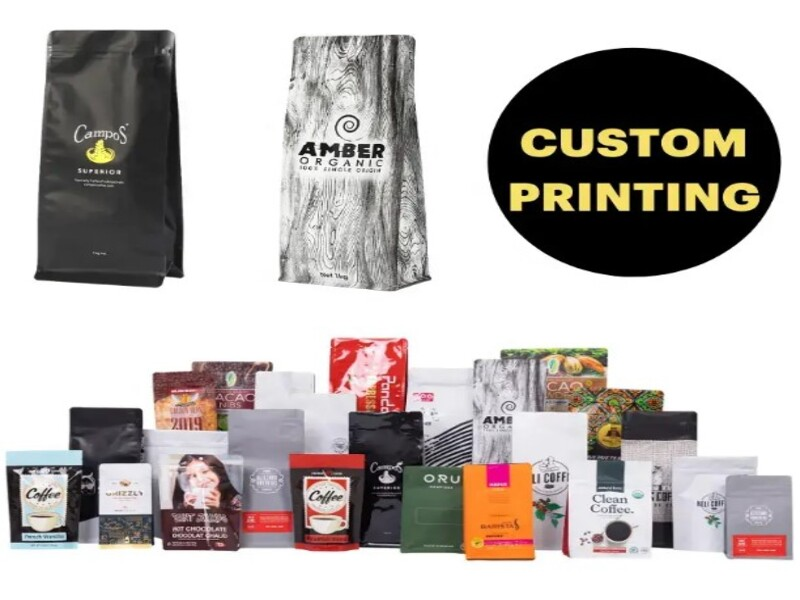
Picture4

When you pour your time, creativity, and skill into creating exceptional food products, every detail matters, including the packaging. Packaging is no longer just a container; it is an essential part of the product experience. It is the first impression a customer has of your brand, and it can determine whether they choose your product over a competitor’s. Many businesses overlook the critical role that packaging plays in connecting with consumers. A thoughtfully designed recyclable food packaging bags not only protects the product inside but also communicates your brand values, elevates the user experience, and can even support sustainability initiatives. In today’s market, packaging has become a strategic tool that combines practicality, aesthetics, and environmental responsibility.

The hidden costs of inefficient packaging are often underestimated. Many businesses consider only the per-unit price of packaging and fail to recognize the additional expenses that can arise from poorly designed containers. When packaging is inadequate, products are more likely to spoil during transport or storage, especially if they are sensitive to moisture, oxygen, or physical damage. Spoiled inventory not only results in direct financial losses but can also damage your brand’s reputation if customers receive compromised products. Packaging that is oversized or poorly designed also wastes raw materials, driving up procurement costs while generating unnecessary waste that eventually ends up in landfills. Inefficient packaging can take up more space in warehouses and shipping vehicles, increasing both storage and transportation costs. Moreover, customers who receive damaged products are more likely to request refunds or returns, creating additional logistical burdens. Even when products arrive intact, packaging that appears generic or unappealing may fail to attract attention on store shelves, resulting in lost sales opportunities. Understanding these hidden costs highlights the importance of investing in packaging that is both functional and strategic, particularly in the form of custom food pouches designed specifically for your products.

Custom food pouches offer a practical solution to these challenges by optimizing material usage, protecting the product, and enhancing consumer experience. When pouches are designed to fit products precisely, excess material is eliminated, leading to cost savings and a reduction in environmental waste. Advanced barrier films incorporated into custom pouches provide protection against oxygen, moisture, and light, extending the shelf life of products and maintaining their quality. For example, coffee packaged in a custom pouch with an oxygen barrier retains its flavor and aroma longer, ensuring that consumers receive a fresher product. Durable, high-quality materials also minimize damage during shipping and handling, reducing the number of products returned or discarded due to mishandling. Every aspect of a well-designed pouch, from its structure to its materials, plays a role in reducing waste, saving costs, and delivering a better overall experience.

Beyond material efficiency, custom food pouches also improve logistical and storage efficiency. Flexible pouches occupy less space than rigid containers, which allows for more units to be shipped per pallet and reduces transportation costs. Smaller packaging also reduces the carbon footprint associated with shipping, contributing to a brand’s sustainability goals. Warehouses benefit as well, since less bulky packaging frees up space, allowing for more inventory to be stored in the same area. Streamlined logistics, reduced storage costs, and optimized transportation all contribute to the overall efficiency of the supply chain; making custom pouches a strategic choice for companies looking to operate more sustainably while keeping costs under control.

Consumer appeal is another key advantage of custom pouches. Packaging communicates the value and quality of a product before it is ever opened. High-quality printing, attractive graphics and thoughtful design convey professionalism and attention to detail, enhancing brand perception. Custom pouches also allow for precise placement of important information such as ingredients, nutritional facts, and expiration dates, which builds trust with consumers and reduces confusion or misuse that can lead to returns. Convenient features, including resealable zippers, spouts, or tear notches, improve the user experience by making products easier to use and preserving freshness. For example, a resealable snack pouch prevents premature staling and reduces food waste at the consumer level, demonstrating both practicality and a commitment to sustainability. Thoughtful design ensures that packaging does more than hold a product; it improves the experience for the customer and reflects positively on the brand.

Sustainability has become a defining factor in consumer choices. Many shoppers actively seek out products with recyclable, compostable, or post-consumer recycled content and some are willing to pay more for items packaged responsibly. Incorporating eco-friendly materials into custom pouches allows brands to appeal to this growing market segment, enhance customer loyalty, and strengthen their reputation as environmentally conscious. Sustainable packaging also offers financial benefits. In some regions, businesses face fees for waste disposal, and using recyclable or compostable materials can help reduce these costs. Additionally, as demand for sustainable materials increases, their availability and affordability improve, making it a practical choice for companies committed to both cost efficiency and environmental responsibility. By investing in sustainable packaging, businesses signal their commitment to the planet while benefiting from operational and marketing advantages.

Designing cost-effective and sustainable custom pouches requires careful consideration of multiple factors. Material selection should prioritize a balance between durability, barrier protection, and environmental impact, with mono-material recyclable pouches often representing the most practical solution. The size and shape of the pouch should minimize wasted space and material without compromising functionality. While vibrant graphics can enhance shelf appeal, excessive or complex printing can drive up costs, so it is important to find a balance between visual impact and economic efficiency. Order volume also influences cost, as larger quantities typically reduce the per-unit expense through economies of scale. Collaborating with a knowledgeable packaging supplier ensures that design choices align with both product requirements and sustainability objectives. Suppliers with expertise in custom pouches can provide guidance on material selection, structural design, printing options, and eco-friendly alternatives that maximize value and efficiency.

In addition to cost savings and sustainability, custom food pouches enhance operational performance. By reducing product damage, spoilage, and returns, businesses can streamline their supply chain and focus resources on growth and marketing rather than managing preventable issues. Packaging that protects the product also reduces the risk of customer complaints, helping maintain brand reputation and fostering repeat purchases. Furthermore, sustainable packaging demonstrates corporate responsibility, which increasingly influences consumer choice. Companies that invest in environmentally conscious packaging communicate that they care about more than profit, building trust and loyalty among a growing segment of eco-aware consumers.

The functional aspects of custom pouches also contribute to their value. Resealable closures, spouts, and tear notches are not just convenience features—they actively help reduce food waste by keeping products fresh between uses. Barrier materials prevent oxidation and moisture intrusion, which can extend shelf life and reduce the need for preservatives. Robust construction reduces the likelihood of tears, leaks, or other failures during shipping and handling. These functional improvements protect the product, improve consumer satisfaction, and minimize waste across the supply chain, creating a virtuous cycle of efficiency, sustainability, and customer experience.

Sustainability considerations extend beyond materials to include end-of-life disposal. Mono-material pouches and those certified by recognized organizations ensure compatibility with recycling streams, helping businesses reduce their environmental footprint. Compostable options provide additional flexibility for eco-conscious brands seeking alternatives to traditional plastic. Educating consumers through clear labeling about how to recycle or dispose of the packaging properly further supports sustainability initiatives. When combined with the durability and design features of custom pouches, these choices reinforce a brand’s commitment to responsible practices while maintaining functionality and aesthetic appeal.

Ultimately, investing in custom food pouches is a strategic decision that yields long-term benefits across multiple dimensions. They optimize material usage, reduce product waste, improve logistical efficiency, and enhance consumer experience, all while supporting sustainability goals. Thoughtful design, careful material selection, and collaboration with experienced suppliers enable businesses to maximize both economic and environmental value. By prioritizing packaging that protects the product, communicates brand values, and supports sustainability, companies can differentiate themselves in a competitive market, attract eco-conscious consumers, and achieve measurable cost savings.

Food packaging is no longer a secondary consideration—it is a vital part of the product experience and a powerful tool for connecting with consumers. Well-designed custom pouches allow brands to tell their story, demonstrate quality, and protect the product from production to consumption. They provide a tangible expression of a company’s values, showing that the brand cares about quality, sustainability, and consumer satisfaction. In today’s competitive and environmentally aware marketplace, packaging that is functional, stylish, and sustainable is an essential part of business strategy, ensuring that products arrive in perfect condition while appealing to modern consumers.

China flexible packaging supplier offer far more than a practical container for your products. They are an integral part of your brand identity, a vehicle for sustainability, and a strategic tool for reducing costs and waste. Investing in high-quality materials, thoughtful design, and eco-conscious solutions strengthens the consumer experience, protects your products, and supports operational efficiency. Packaging should be seen not as a cost but as an opportunity to connect, engage, and build lasting loyalty with customers. By choosing custom, sustainable, and stylish food pouches, businesses can create packaging that is as impressive as the products inside, leaving a lasting impression on consumers and demonstrating a genuine commitment to quality, sustainability, and brand excellence.

Here are some recyclable food packaging bags available online:

1. Cereal & Granola Packaging


The transition from traditional “bag-in-a-box” packaging to stand-up pouches has redefined the cereal and granola market by prioritizing freshness and shelf efficiency. These modern flexible containers are engineered with high-barrier laminates, typically involving layers of PET and metalized films, which are essential for keeping oats, nuts, and grains crisp by blocking out ambient moisture and oxygen. Unlike cardboard boxes that often fail to reseal properly, these pouches feature integrated press-to-close zippers or hook-and-loop closures that maintain a tight seal after every use. This structural integrity not only prevents the product from going stale but also eliminates the need for a secondary inner liner, streamlining the packaging process and reducing overall material waste.

In the competitive 2026 retail landscape, the stand-up pouch offers a superior canvas for branding, with the entire front, back, and bottom gusset available for high-definition graphics and transparent windows that showcase the texture of the granola. The upright stability of the pouch ensures a premium “billboard effect” on grocery shelves, while the lightweight nature of the film significantly lowers shipping costs and carbon emissions compared to rigid alternatives. Many suppliers are now introducing mono-material structures that are fully recyclable, catering to the environmentally conscious consumer who seeks both convenience and sustainability. By providing a puncture-resistant and puncture-proof barrier that survives the rigors of e-commerce shipping, these pouches ensure that premium cereal blends reach the consumer in perfect, unbroken condition

2. Chips Packaging


The evolution of chips packaging has been driven by the dual necessity of maintaining structural integrity and ensuring long-term product freshness. Unlike many other food items, potato chips and extruded snacks are highly susceptible to oxidation and moisture, which can turn fats rancid and cause the product to lose its characteristic crunch. To combat this, manufacturers utilize high-barrier multi-layer laminates, typically consisting of an outer layer of biaxially oriented polypropylene for printability, a middle layer of vacuum-metalized film to block light and oxygen, and an inner layer of cast polypropylene for heat sealing. This complex sandwich of materials creates an essential barrier that preserves the delicate seasoning and prevents the ingress of water vapor, which is the primary cause of staleness.

In the modern retail environment of 2026, the traditional “pillow bag” is increasingly being supplemented by stand-up pouches and quad-seal bags that offer better shelf stability and premium branding opportunities. These pouches are often nitrogen-flushed during the filling process to displace oxygen and provide a “cushion” that protects the fragile chips from crushing during transport. As sustainability becomes a core consumer demand, the industry is shifting toward mono-material structures and compostable films that offer similar barrier properties without the environmental footprint of traditional multi-material plastics. By utilizing matte finishes and tactile textures, brands can convey a premium, artisanal feel while ensuring the product remains as fresh and crisp as the day it was packaged.

3. Spice & Sauce Packaging


The packaging requirements for spices and sauces are uniquely demanding due to the high concentration of volatile oils and acidic components that can degrade standard plastics. For dry spices, the primary challenge is moisture ingress and the loss of essential oils, which provide the characteristic aroma and flavor. High-barrier stand-up pouches, often utilizing a metalized polyester layer, are the preferred choice in 2026 because they provide an airtight environment that prevents clumping and oxidation. These pouches frequently feature integrated “shaker” tops or heavy-duty press-to-close zippers, allowing consumers to maintain freshness over months of kitchen use.

For liquid sauces, ranging from viscous ketchups to thin, vinegar-based hot sauces, the packaging must offer chemical resistance and structural integrity during high-temperature filling processes. Spout pouches have become the industry standard for these products, as they allow for controlled, mess-free dispensing and can be easily squeezed to ensure minimal product waste. The multi-layer construction—typically a combination of PET, Nylon, and specialized retort-grade Polyethylene—is designed to withstand the acidity of tomatoes or citrus without leaching or delamination. This flexible format not only reduces the carbon footprint associated with heavy glass bottles but also provides a more durable, shatterproof solution for the growing e-commerce grocery market.

4. Protein Powder Packaging


The packaging of protein powders and nutritional supplements has evolved significantly, shifting from bulky, rigid plastic tubs to high-performance stand-up pouches that offer superior barrier protection and shelf efficiency. For high-protein formulations, the primary challenge is preventing moisture ingress and oxidation, which can lead to clumping and the degradation of sensitive amino acids and flavor profiles. Modern pouches are typically constructed using a robust multi-layer laminate, often incorporating a layer of metalized polyester or aluminum foil to provide a total barrier against UV light and oxygen. This specialized construction is essential for maintaining the stability of the powder over a long shelf life, especially for premium whey or plant-based proteins that contain delicate natural ingredients.

In the 2026 fitness market, convenience and sustainability are the driving forces behind packaging innovation, with many brands adopting “easy-tear” notches and heavy-duty, powder-resistant zippers that ensure a reliable seal even after repeated use. These zippers are specifically designed to prevent fine powder particles from clogging the tracks, maintaining an airtight environment throughout the product’s consumption cycle. Furthermore, the transition to flexible packaging reduces the overall carbon footprint by requiring significantly less energy to manufacture and transport compared to traditional HDPE tubs. By utilizing wide-mouth openings for easy scooping and stable bottom gussets for upright storage, these pouches provide a user-friendly, space-saving solution that resonates with the modern, environmentally conscious consumer.

5. Frozen Food Packaging


The packaging for frozen foods must meet rigorous technical standards to survive sub-zero temperatures while protecting the integrity of the product inside. Unlike standard dry food packaging, materials used for the freezer must remain flexible and crack-resistant at temperatures as low as -18°C. If the packaging becomes brittle, it can lead to “freezer burn,” which occurs when moisture evaporates from the food and is replaced by oxygen, resulting in a loss of texture, color, and flavor. To prevent this, manufacturers utilize high-performance films such as Biaxially Oriented Polyamide (BOPA) or specialized grades of Polyethylene (PE) that provide excellent puncture resistance and a robust moisture barrier.

In the 2026 market, there is a significant shift toward recyclable food packaging bags with resealable zippers for frozen vegetables, fruits, and prepared meals. These pouches are often engineered with a “high-slip” interior to allow frozen items to slide out easily, and they frequently feature transparent windows that remain frost-free through anti-fog coatings. This allows consumers to inspect the quality of the product without opening the seal. Additionally, as e-commerce for groceries continues to expand, the durability of these flexible pouches ensures they can withstand the mechanical stresses of automated sorting and last-mile delivery. By moving away from traditional cardboard boxes, brands can reduce the overall weight of their shipments, lowering energy costs throughout the cold chain while providing a more airtight, space-saving solution for the consumer’s home freezer.

The Enduring History and Cultural Tradition of Felt Banners and Pennants


Picture3

Felt banners and pennants have played a remarkable role throughout history as symbols of pride, identity, and unity. Though they are often seen today as decorative pieces in homes, schools, and sports venues, their story stretches back many centuries. These colorful banners evolved from early flags that represented families, kingdoms, and organizations. Over time they became treasured objects that commemorate achievements, celebrate belonging, and connect people to traditions that span generations. The journey of Custom Felt Pennants and pennants demonstrates how simple pieces of fabric can carry powerful meaning and cultural significance.

The origins of banners and pennants can be traced to ancient civilizations where flags and symbols were used to represent tribes, armies, and ruling powers. Long before written language became common, visual symbols served as an important form of communication. Leaders and warriors used banners to identify themselves and their allies during battles and ceremonies. These early flags were often decorated with unique shapes, colors, and images that helped people recognize different groups instantly.

During the medieval period in Europe, banners became especially important. Knights, nobles, and royal families displayed heraldic banners featuring coats of arms and family crests. These banners represented lineage, honor, and authority. Each design was carefully crafted to distinguish one family from another. Colors and symbols were chosen with meaning, and they often reflected values such as bravery, loyalty, or strength. When armies marched into battle, banners helped soldiers find their leaders and maintain unity in chaotic situations.

In addition to military use, banners were also present in religious and civic life. Churches and religious orders displayed decorated banners during ceremonies and processions. Guilds and local communities used banners to represent their trades or civic pride during festivals and public gatherings. These banners were often carried through streets during celebrations, creating a vibrant display of colors and symbols that strengthened the sense of belonging among community members.

As centuries passed, the role of banners gradually expanded beyond warfare and ceremonial use. By the nineteenth century, improvements in textile production began transforming how banners were made. Industrialization allowed fabrics to be produced more quickly and affordably. Felt emerged as a particularly practical material because of its durability and ease of shaping. Unlike woven fabrics, felt does not unravel when cut, which made it ideal for creating decorative pennants with clean edges and bold outlines.

The rise of felt as a banner material helped make pennants accessible to a broader audience. No longer limited to aristocratic families or military groups, banners could now be produced for schools, sports teams, clubs, and local organizations. This shift allowed pennants to become everyday symbols that represented community identity and shared achievements.

Schools and universities were among the first institutions to adopt felt pennants in a meaningful way. By the late nineteenth and early twentieth century’s, educational institutions sought creative ways to strengthen school spirit and build connections among students. Felt pennants decorated with school names, mascots, and colors became a popular way to express pride in one’s institution. Students often displayed them in dormitories, classrooms, and sports arenas.

These academic pennants quickly became treasured keepsakes. For many students, owning a pennant symbolized their connection to their school community. Graduates often kept their pennants as souvenirs that reminded them of their years of study and friendships formed during their academic journey. Over time, these items gained sentimental value and became part of the broader tradition of university memorabilia.

Sports culture played an equally significant role in the development of felt pennants. As organized sports grew in popularity during the late nineteenth and early twentieth century’s, fans looked for ways to demonstrate their loyalty to their favorite teams. Pennants offered a colorful and portable solution. They could be easily carried to games, waved in the stands, or displayed at home after the event.

Baseball in particular helped popularize sports pennants. Fans attending games often purchased pennants as souvenirs, which allowed them to remember the excitement of the event. These early sports pennants typically featured team names, logos, and bold lettering. The triangular shape became widely recognized and is still associated with traditional sports pennants today.

Over time, sports pennant designs became more elaborate and artistic. Manufacturers began adding detailed illustrations of mascots, stadiums, and players. Some pennants included the date and location of a particular game, making them unique collectibles. Championship pennants were especially valued because they commemorated historic victories and unforgettable moments in sports history.

Collectors began seeking vintage pennants not only for their designs but also for the stories behind them. A pennant from a famous game or championship season could become a treasured historical artifact. Today many collectors appreciate these items for their nostalgic connection to sports culture and their representation of specific eras.

Beyond sports and education, felt banners and pennants eventually found their way into many other aspects of daily life. Communities began using them during festivals, parades, and civic celebrations. Their bright colors and distinctive shapes helped create festive environments that encouraged participation and unity.

In modern times, felt banners have experienced a revival as decorative pieces in homes and creative spaces. Many people appreciate their handmade appearance and nostalgic charm. Unlike mass produced wall decorations, felt banners often carry a sense of craftsmanship that makes them feel personal and authentic. Designers frequently incorporate inspirational words, artistic graphics, or personalized messages into their creations.

Home decor trends have embraced felt banners as versatile decorative elements. They can be hung on walls, displayed in children’s rooms, or placed in creative studios to add personality to a space. Because they are lightweight and easy to install, they offer a flexible alternative to framed artwork or heavy decorations.

Celebrations and personal events have also adopted felt banners as part of their decorative themes. Weddings, birthdays, and family gatherings often feature custom banners that display names, special dates, or meaningful messages. These banners help create memorable backdrops for photographs and enhance the festive atmosphere of the occasion. After the event, many families keep them as sentimental reminders of important milestones.

The growing interest in handmade and sustainable products has further increased the popularity of felt banners and pennants. Many consumers today prefer items that emphasize craftsmanship and environmentally friendly materials. Felt made from natural or recycled fibers aligns well with this preference. Artisans and small businesses often produce these banners by hand, adding a unique character that mass produced items cannot easily replicate.

Handcrafted felt banners also allow for extensive customization. Customers can choose specific colors, shapes, and designs that reflect their personalities or brand identities. This flexibility has made felt banners attractive not only for personal use but also for businesses seeking creative branding solutions.

Corporate events and marketing campaigns have adopted pennants as visual branding tools. Companies use custom banners to display logos, slogans, and promotional messages during trade shows, conferences, and product launches. The colorful designs help attract attention and create a lively environment that reinforces brand recognition.

Community organizations continue to rely on banners and pennants as symbols of unity and participation. Schools use them during sports events and pep rallies to strengthen school spirit. Local festivals often decorate streets and event areas with rows of pennants that create a welcoming and celebratory atmosphere. These displays remind participants that they are part of something larger than themselves.

One of the reasons felt banners have remained relevant for so long is their ability to adapt to changing cultural trends while maintaining their historical roots. The materials and designs may evolve, but the fundamental purpose of these banners remains the same. They serve as visual expressions of identity, pride, and shared experiences.

The simple triangular pennant or decorative felt banner can carry a surprising amount of meaning. A school pennant may represent years of learning and friendships. A sports pennant may capture the excitement of a championship victory. A custom banner created for a wedding may symbolize the beginning of a new family tradition. Each piece becomes part of a personal or collective story.

In addition to their emotional significance, felt banners also represent an important tradition of visual storytelling. Throughout history, people have used symbols, colors, and images to communicate ideas and values. Felt banners continue this tradition by transforming simple materials into expressive works of art.

As modern technology advances and new materials become available, soccer club flags remain beloved for their timeless appeal. Their tactile texture and handcrafted look provide a contrast to digital images and mass produced decorations. Many people find comfort in objects that carry a sense of history and human creativity.

Looking toward the future, felt banners will likely continue to evolve while preserving their cultural heritage. Designers and artisans are constantly experimenting with new techniques, patterns, and sustainable materials. At the same time, the traditional shapes and symbolism that define pennants will remain recognizable and meaningful

Ultimately, felt banners and pennants represent far more than decorative objects. They embody centuries of history, cultural expression, and shared human experiences. From medieval battlefields to modern homes and sports arenas, these banners have served as powerful reminders of identity and connection.

Here are some Custom Felt Pennants available online:

1. Custom Pennants


Custom pennants represent a unique fusion of historical charm and modern self-expression, offering a specialized medium for brands, schools, and individuals to translate their identity into a physical artifact. Unlike mass-produced alternatives, these bespoke banners are defined by their adaptability, allowing for the precise selection of dimensions, base materials, and finishing details that align with a specific vision. The process of creating a custom pennant typically begins with the choice of felt weight and composition, where a premium wool-blend is often favored for its classic matte texture and archival durability. This foundation is then transformed through various application methods, ranging from traditional screen-printing for a vintage aesthetic to high-definition digital transfers or multi-layered felt appliqué for a more tactile, premium feel.

The versatility of custom pennants makes them an ideal solution for diverse applications, such as boutique corporate branding, commemorative wedding favors, or specialized nursery decor. By controlling the typography, color palette, and iconography, a designer can evoke a specific era—such as the bold, blocky spirit of 1950s athletics—or lean into a minimalist, contemporary style that fits a modern interior. These banners often include authentic touches like contrasting side bands and coordinating string ties, which honor the heritage of the collegiate flag while serving as a functional hanging mechanism. Ultimately, a custom pennant is more than a simple wall hanging; it is a curated narrative of a person or organization, crafted to serve as a lasting symbol of pride and a tangible connection to a specific moment or achievement.

2. Custom Felt Pennants


Custom felt pennants serve as a tactile bridge between vintage nostalgia and modern branding, offering a premium medium for expressing identity through a classic collegiate aesthetic. These banners are distinguished by their material composition, typically utilizing a high-density wool or rayon blend that provides a soft, matte finish and a substantial weight that prevents the fabric from curling over time. Unlike standard synthetic flags, the “tooth” of a high-quality felt allows for sophisticated application methods, such as traditional screen-printing for a weathered, archival look or intricate embroidery that adds a three-dimensional texture to logos and crests. This versatility makes them an ideal choice for a wide array of applications, from boutique retail decor and wedding keepsakes to high-end corporate gifts that stand out in a digital world.

The design of a custom felt pennant often incorporates heritage-inspired details like contrasting sewn-on side bands and coordinating string ties, which enhance the authentic, mid-century feel of the piece. By selecting specific Pantone-matched colors and custom typography—ranging from bold athletic block letters to elegant, hand-drawn scripts—individuals and brands can curate a narrative that feels both timeless and deeply personal. These pennants function as durable artifacts of achievement, transforming a simple triangular silhouette into a permanent fixture of a home office, a gallery wall, or a commemorative display. Because they are built to last, they represent a sustainable and meaningful way to celebrate a specific milestone, ensuring that the spirit of a brand or a moment is captured in a medium those ages gracefully alongside its owner.

3. Custom Pennants


Custom pennants stand as a timeless intersection of heritage and modern branding, offering a tactile medium that captures the spirit of an organization or a personal milestone in a classic triangular silhouette. Unlike mass-produced alternatives, these bespoke banners are defined by their intentionality, allowing for the precise selection of materials, colors, and finishing details that align with a specific aesthetic vision. The process typically begins with the choice of base fabric, where premium felt or wool blends are favored for their matte finish and archival durability, ensuring the flag hangs flat and maintains its crisp edges over time. This foundation is then brought to life through various application techniques, ranging from traditional screen-printing for a vintage, weathered look to high-density embroidery that adds a sophisticated, three-dimensional texture to university seals or corporate logos.

The versatility of custom pennants makes them an ideal choice for everything from commemorative graduation gifts and boutique wedding decor to large-scale stadium giveaways and professional office accents. Design elements such as contrasting side bands, reinforced stitching, and traditional string ties further enhance the authentic feel of the piece, paying homage to the mid-century collegiate traditions that first popularized the medium. By tailoring the typography and iconography to a specific era or brand identity, these pennants become more than simple wall hangings; they serve as enduring symbols of belonging and achievement. Whether used to celebrate a historic athletic rivalry or to anchor a curated gallery wall, a custom pennant transforms a piece of fabric into a narrative artifact that remains vibrant for decades.

4. Personalized Custom Felt Pennants


Personalized custom felt pennants offer a sophisticated way to transform individual milestones and unique brand identities into tangible pieces of art. These bespoke banners move beyond the generic by allowing for complete control over every design element, from the specific hue of the high-quality wool-blend felt to the intricate details of the typography. Whether it is commemorating a child’s birth with a nursery-themed name banner or celebrating a niche athletic club with a custom motto, the personalization process ensures that each piece is a one-of-a-kind artifact. The use of premium felt provides a sturdy, matte foundation that feels substantial to the touch, ensuring that the personalized graphics—whether applied through precision screen-printing, heat-pressed flocking, or layered felt appliqué—remain sharp and vibrant for years.

The true value of a personalized pennant lies in its ability to bridge the gap between classic collegiate nostalgia and modern life. Designers can opt for traditional athletic block lettering to evoke a vintage spirit or select contemporary scripts for a more refined, decorative look. Details such as contrasting side tabs and coordinating ties add a level of craftsmanship that honors the heritage of the medium while serving as a functional hanging mechanism. These pennants are not merely temporary decorations; they are curated keepsakes that anchor a room’s decor, serving as a permanent reminder of a specific achievement, a family name, or a shared history. By focusing on personalization, these banners become meaningful heirlooms that capture a unique narrative in a timeless, triangular form.

5. Editable Custom Felt Pennants


Editable custom felt pennants represent a modern evolution of collegiate and sports memorabilia, providing a flexible design solution for users who value both traditional aesthetics and digital adaptability. These banners are specifically engineered to bridge the gap between a classic physical artifact and a customizable template, making them an ideal choice for event planners, growing families, and evolving brands. Unlike static designs, editable pennants often utilize high-quality felt surfaces that are compatible with interchangeable elements, such as hook-and-loop backing for switching out championship years or specialized areas for DIY heat-transfer applications. This versatility ensures that a single high-quality banner can remain relevant as milestones change, from tracking a student’s progress through different grade levels to updating a sports team’s seasonal achievements.

The construction of these pennants maintains the premium feel of traditional wool blends, offering a soft, matte texture that provides a sophisticated backdrop for various customization methods. Designers often create these as “blanks” with pre-sewn borders, contrasting side bands, and authentic string ties, leaving the central triangular space open for individual creativity. This allows for a wide range of stylistic choices, from applying vintage-inspired iron-on letters to using digital printing techniques for high-resolution logos. By offering a reusable and adaptable format, editable custom felt pennants function as a sustainable and interactive form of decor. They empower the owner to curate their own narrative, ensuring that the spirit of pride and celebration is always accurately reflected in a medium that feels both substantial and personal.

Their enduring charm lies in their ability to bridge generations. A vintage Custom Pennants discovered in an attic may carry the memories of a past era, while a newly crafted banner can mark a present celebration. Together they form a continuous thread that connects people to history, community, and tradition. Through their colors, symbols, and stories, felt banners and pennants will continue to inspire pride, creativity, and unity for many years to come.

Airport Car Rental in Tenerife: Everything You Need to Know

unnamed (2)Introduction

Arriving in Tenerife and immediately having a vehicle at your disposal makes traveling around the island effortless. Airport car rental services allow you to pick up your vehicle as soon as you land, saving time and providing convenience. However, renting a car at the airport comes with its own considerations, from pricing to available options and additional services. Understanding these factors ensures a smooth and stress-free start to your trip. Explore more and book your next car through https://www.carzrent.com/.

Advantages of Airport Car Rentals

Airport car rentals offer multiple benefits for travelers:

  • Convenience: Pick up your car immediately upon arrival without needing taxis or public transport
  • Time-saving: No waiting for shuttle services or traveling into town to find a rental
  • Flexibility: Start exploring the island right away, whether heading to beaches, resorts, or scenic areas

These benefits are especially valuable for tourists who want to maximize their time in Tenerife.

Comparing Airport vs. City Rentals

While airport rentals are convenient, they can sometimes be slightly more expensive than city-based rental offices. It is important to compare rates and consider the following:

  • Airport surcharges: Many companies charge extra for airport pick-up
  • Availability: Popular models may run out quickly during peak travel seasons
  • Booking in advance: Online reservations can secure better rates and preferred vehicles

CarzRent offers transparent pricing and lets travelers compare airport rental options with ease, helping you choose the best deal.

Vehicle Options at Tenerife Airports

Tenerife has two main airports: Tenerife South (TFS) and Tenerife North (TFN). Both offer a range of rental vehicles:

  • Economy cars: Perfect for solo travelers or couples exploring towns
  • SUVs and crossovers: Ideal for families, larger groups, or mountain excursions
  • Luxury cars: For travelers seeking comfort and premium experience

Extras like GPS, child seats, and additional drivers can usually be arranged at the airport, but it is recommended to book these in advance to ensure availability.

Booking Tips for Airport Rentals

To get the best experience and value from airport car rentals:

  1. Book early online to avoid limited options and higher prices
  2. Check insurance coverage thoroughly before confirming the rental
  3. Compare multiple providers for price, vehicle type, and customer reviews
  4. Confirm pickup and drop-off locations within the airport for ease of access
  5. Review fuel policies to understand whether you return full, pay upfront, or other arrangements

Following these tips ensures you avoid unexpected charges or inconveniences upon arrival.

Airport Pick-Up and Drop-Off Procedures

Most airport rental counters are located inside the terminal, making it convenient to pick up your car after landing. Some providers offer shuttle services to offsite locations. Before accepting your car:

  • Inspect for pre-existing damage and take photos
  • Confirm the rental agreement, insurance, and mileage policy
  • Ask about emergency contacts and roadside assistance

Returning the car is generally straightforward, with designated drop-off areas. Early planning of drop-off timing can prevent late fees or confusion.

Common Mistakes to Avoid

  • Booking last-minute: Limits choices and may increase prices
  • Ignoring airport surcharges: Can lead to unexpected costs
  • Not checking the vehicle: Missing existing damage can result in disputes
  • Forgetting accessories: GPS or child seats might be unavailable if not reserved
  • Ignoring traffic rules from the airport: Start your trip safely by following local regulations immediately

By avoiding these mistakes, your airport car rental experience will be seamless.

Conclusion

Airport car rentals in Tenerife provide convenience, flexibility, and immediate access to explore the island. By understanding pricing, vehicle options, booking procedures, and potential pitfalls, you can start your trip smoothly and stress-free. Whether you are arriving at Tenerife South or North airport, careful planning ensures a seamless experience. For easy booking, transparent rates, and reliable vehicles, explore more and book your next car through https://www.carzrent.com/.


Virtual Pro Network vs VPG: The Best Pro Clubs Platform

Finding the right competitive platform for your 11v11 EA FC team takes time. You want organized leagues, reliable stat tracking, and a fair, competitive environment. We compared the virtual pro network and VPG so you don’t have to. Both platforms offer unique ways to play Pro Clubs at an esports level, but they cater to different types of players and management styles.

Here is a breakdown of how these two competitive hubs stack up.

Understanding Virtual Pro Network (VPN)

Virtual Pro Network focuses heavily on regional community building. Instead of a single top-down hierarchy, it gives local communities the tools to run their own structured divisions.

Here is what you can expect from VPN:

  • Regional focus: You select your main community upon joining, keeping ping low and match times relevant to your local time zone.
  • Community management: League admins have significant control over their local divisions, creating a tight-knit environment.
  • Grassroots competition: It serves as a great entry point for newer teams looking to build chemistry without immediately facing global esports organizations.

Exploring VPG (Virtual Pro Gaming)

VPG operates as a massive, globally connected esports platform. It replicates real-world football structures with high-stakes promotions and relegations.

Key VPG features include:

  • Massive player base: The platform boasts over 500,000 registered players and hosts more than 1,200 active teams.
  • Dedicated mobile app: VPG offers a dedicated app (available on iOS and Android) that lets you manage lineups, post as a free agent, and track live EA API stats from your phone.
  • Cross-play integration: Communities like VPG Europe Cross-Play host thousands of players competing seamlessly across PlayStation, Xbox, and PC.

Head-to-Side Comparison

We organized the key data so you can quickly see the differences.

Feature Virtual Pro Network Virtual Pro Gaming (VPG)
Registered Players Community-specific 500,000+ globally
Platform Support PC, PlayStation, Xbox PC, PlayStation, Xbox (Cross-play)
Mobile App Web-based Yes (iOS and Android)
League Structure Regional community-led Global tiers with promotion/relegation
Prize Pools Various by local community tournament Premium cups and sponsored events

Technical Requirements for Managers

Running a successful Pro Clubs team requires more than just stick skills. You need the right setup to organize matches, communicate with 10 other players, and submit post-match stats.

You do not necessarily need a new laptop status to engage your squad, but having a reliable computer makes a massive difference. Here is what you need to run your team efficiently:

  • Discord access: Both platforms rely heavily on Discord for scheduling matches and reporting scores.
  • Browser or app performance: A basic desktop or smartphone is enough to access VPG’s app or VPN’s web portals to submit your match stats.
  • Streaming capabilities: If you plan to broadcast your matches, you will need a PC with a capable CPU and graphics card to run OBS smoothly alongside your capture card.

The Final Verdict

Choose Virtual Pro Network if you want a localized, community-driven experience. It is ideal for groups of friends who want to play in a structured environment without overwhelming global pressure.

Choose VPG if you want a professional esports experience. With its massive player base, cross-play leagues, and dedicated mobile app, VPG makes it easy to track your virtual career and compete against top-tier talent.

FAQs

What game modes do these platforms support?

Both platforms strictly support the 11v11 Pro Clubs game mode in the EA Sports FC (formerly FIFA) series.

Can I play on these platforms for free?

Yes, creating an account and joining a team is free on both platforms. VPG offers an optional Premium subscription for ad-free browsing and additional profile features.

Do I need a full 11-player roster to join?

No. You can sign up as a “Free Agent” on either platform and use their transfer markets or Discord servers to find a team looking for your specific position.

How are match stats tracked?

VPG uses direct EA API integration to automatically pull real-time stats like goals, assists, and clean sheets. Some VPN leagues require managers to submit screenshots manually.

Is cross-play supported in competitive matches?

Yes. As long as the specific league or tournament is labeled as “Cross-Play,” players on PS5, Xbox Series X/S, and PC can compete on the same pitch.

The Sovereign Blueprint for misa license saudi arabia: A 2026 Strategic Guide

The economic landscape of the Middle East has undergone a seismic shift, with the Kingdom of Saudi Arabia emerging as the primary destination for global capital. Driven by the monumental goals of Saudi Vision 2030, the nation has moved from a resource-dependent economy to a diversified, tech-forward global hub. For international firms and forward-thinking entrepreneurs, the decision to obtain a misa license saudi arabia is no longer just a procedural expansion—it is a strategic move to capture growth in a market currently outperforming most G20 nations in economic resilience. In 2026, the regulatory environment is more streamlined, digital, and investor-friendly than ever before, following the full implementation of the New Investment Law.

The 2026 Investment Climate: A New Era of Openness

In 2026, Saudi Arabia has fully transitioned to a “Registration-First” model that treats foreign investors with unprecedented levels of protection. This shift has catalyzed a massive influx of foreign direct investment (FDI) across sectors such as renewable energy, digital infrastructure, tourism, and advanced manufacturing. Choosing to secure a misa license saudi arabia today—now often referred to as an Investment Registration Certificate (IRC)—grants investors 100% ownership in the vast majority of commercial activities, backed by a legal framework that guarantees the absolute right to repatriate profits and protects intellectual property.

The Kingdom’s strategic location—connecting Asia, Africa, and Europe—makes a Saudi-based entity a powerful logistical asset for any global supply chain. With the continued expansion of giga-projects like NEOM and the Red Sea Project, there has never been a more opportune time to establish a corporate presence. Notably, in 2026, the sovereign decision to suspend initial license issuance fees (previously SAR 12,000) remains a key incentive, lowering entry barriers and allowing firms to redirect capital toward hiring and operational scale.

The Technical Roadmap to Incorporation

While the Saudi government has introduced unified digital portals to accelerate the entry of global capital, the process of securing a misa license saudi arabia involves several critical legal and administrative layers that must be executed with precision.

1. MISA Investment Registration (IRC)

The journey begins at the Ministry of Investment. Foreign investors must obtain their registration certificate through the Invest Saudi portal. This document acts as the sovereign approval that authorizes a non-Saudi entity to hold equity and conduct business. In 2026, the “Investor First” charter has made this step nearly instantaneous for compliant applications that align with the Kingdom’s developmental goals.

2. Commercial Registration (CR)

The Ministry of Commerce issues the Commercial Registration (CR), which serves as the official legal identity of the business. This document is required to sign commercial contracts, hire employees, and open corporate bank accounts. In 2026, the CR is automatically linked to the MISA certificate via the Saudi Business Center (SBC), ensuring a unified digital identity.

3. Electronic Notarization of Articles of Association (AoA)

The Articles of Association serve as the constitution of your company. It outlines the governance structure, management authorities, and capital distribution. In 2026, this document is drafted and notarized electronically through the Ministry of Justice’s integrated portals, ensuring a high level of legal protection for all shareholders without the need for physical presence.

4. Digital Integration: Qiwa, GOSI, and ZATCA

Post-registration, a company must be integrated into the Kingdom’s sophisticated digital ecosystem:

  • Qiwa: The central platform for managing labor contracts and “Saudization” (Nitaqat) compliance.
  • GOSI: The portal for managing social insurance contributions for the workforce.
  • ZATCA: Registration with the Zakat, Tax and Customs Authority is mandatory. In 2026, integration with the Phase 2 Electronic Invoicing (Fatoora) system is required from day one for real-time tax compliance.

Navigating Market Entry Challenges

Despite the streamlined digital processes, foreign investors often face “administrative friction.” Rapidly evolving labor laws, the intricacies of the “Nitaqat” system, and the requirement for a documented physical address (via the Ejar system) can be challenging to manage from abroad. Success in the Saudi market requires more than just capital; it requires a deep understanding of local regulatory nuances, the ISIC4 activity coding, and the specific municipal requirements of the chosen region.

Partnering for Success: Motaded Consultancy

In an economy that moves at the speed of the Saudi market, delays in registration or compliance can result in significant lost opportunities. This is why global leaders rely on Motaded Consultancy to handle the complexities of their market entry and corporate structuring.

Motaded Consultancy is a premier firm specializing in the technicalities of the Saudi “Sovereign Setup.” Their team of local experts provides a holistic, “turnkey” solution for securing a misa license saudi arabia. They don’t just handle the paperwork; they provide a strategic shield against regulatory delays. From the initial MISA registration and legal translation of documents to the opening of corporate bank accounts and the management of HR governance, Motaded ensures every step is executed with precision.

By partnering with Motaded Consultancy, investors can navigate the digital platforms of Qiwa, GOSI, and ZATCA with absolute confidence. Their deep-rooted local intelligence ensures that your company is positioned correctly within the regulatory framework, maximizing your operational speed and tender eligibility. Whether you are a tech startup or a global industrial giant, Motaded provides the security, speed, and local insight necessary to thrive in the heart of the world’s most exciting economic story.

Conclusion: Building a Legacy in the Kingdom

The transformation of Saudi Arabia is a historic event, and the window for early-mover advantage is still open. A successful company formation is not just a commercial transaction; it is an investment in a vision that is reshaping the global economy.

By understanding the legal requirements, respecting the cultural nuances of the Saudi business environment, and leveraging the expertise of local partners like Motaded Consultancy, your business can secure its place in this prosperous future. The path to Saudi Arabia is clear—it is a path defined by innovation, scale, and unparalleled opportunity. Now is the time to build your corporate legacy in the heart of the Middle East.