Pest Control Services: A Key Solution for Creating a Safe and Clean Environment

在現代生活中,害蟲問題已成為影響居住品質與健康的重要因素之一。無論是家庭、辦公室還是商業場所,蟑螂、蚊蟲、白蟻等都可能帶來衛生與安全隱患。因此,專業的滅蟲服務成為維護環境潔淨與健康的重要選擇。

什麼是滅蟲服務

滅蟲服務是由專業團隊提供的害蟲防治解決方案,涵蓋檢查、消滅與預防三大環節。與一般自行處理不同,專業服務會根據害蟲種類與環境條件,制定最合適的處理方案。

服務範圍通常包括蟑螂、螞蟻、蚊子、蒼蠅、白蟻及其他常見害蟲,並採用安全有效的技術與藥劑進行處理。

滅蟲服務的流程

一套完整的滅蟲服務通常包含多個步驟。首先是現場檢查,專業人員會評估害蟲的種類、數量及分布情況。

接著制定防治方案,選擇合適的處理方法,例如噴灑藥劑、設置誘捕裝置或使用煙霧處理。完成後,還會提供後續建議,幫助客戶防止害蟲再次出現。

這種系統化流程能夠從根源解決問題,而非僅僅暫時控制。

常見滅蟲方式

在實際操作中,滅蟲服務會根據不同情況採用不同方法。例如化學防治是最常見的方式,透過專業藥劑快速消滅害蟲。

物理防治則包括使用捕蟲器、封堵縫隙等方法,減少害蟲進入空間的機會。此外,還有生物防治等環保方式,適合對安全要求較高的環境。

多種方法結合使用,能提升整體防治效果。

滅蟲服務的應用場景

滅蟲服務廣泛應用於各種場所。在家庭環境中,可以有效解決蟑螂與蚊蟲問題,提升生活品質。

在餐廳、酒店等商業場所,滅蟲服務更是維持衛生標準的重要措施。工廠與倉庫也需要定期進行害蟲防治,以保護產品品質。

此外,學校與醫療機構同樣需要高標準的滅蟲服務,以確保公共安全。

為什麼需要專業滅蟲服務

許多人會嘗試自行處理害蟲問題,但效果往往有限。專業的滅蟲服務擁有經驗豐富的技術人員與專業設備,能夠快速準確地找到問題根源。

此外,專業公司使用的藥劑更安全且效果持久,能有效避免害蟲反覆出現。這不僅節省時間,也能降低長期成本。

如何選擇滅蟲服務

選擇合適的滅蟲服務時,需要考慮多個因素。首先是公司是否具備合法資質與專業經驗。

其次要了解其使用的藥劑是否安全,是否符合環保與健康標準。服務流程是否完整,以及是否提供售後跟進,也是重要考量。

查看客戶評價與口碑,可以幫助做出更明智的選擇。

日常預防害蟲的方法

除了依靠專業服務,日常預防同樣重要。保持環境清潔、定期清理垃圾、避免積水,是減少害蟲滋生的基本方法。

食物應妥善存放,避免吸引蟲害。門窗縫隙應及時封堵,以防止害蟲進入。

良好的生活習慣可以大幅降低害蟲問題的發生機率。

行業發展趨勢

隨著科技進步,滅蟲服務也在不斷升級。環保型藥劑與智能監測系統逐漸普及,使防治更加安全與高效。

未來,滅蟲服務將更加注重預防與長期管理,而不僅僅是短期處理。

總結

滅蟲服務在現代生活中扮演著重要角色。透過專業技術與科學方法,可以有效解決各類害蟲問題,提升生活與工作環境的品質。

結合日常預防與專業處理,才能真正建立一個安全、潔淨且健康的空間。

Urban Expression and Identity: The Impact of Hellstar Clothing and Hellstar

The Meaning Behind Hellstar in Modern Fashion

In today’s fashion landscape, certain names begin to carry deeper meaning beyond their surface value. One such identity is hellstar, which represents a bold and expressive approach to personal style. It is often associated with individuality, confidence, and a willingness to break away from traditional fashion norms.

The concept of hellstar is rooted in the idea of standing out. Rather than blending into mainstream trends, it encourages creativity and originality. This mindset has made it particularly appealing to those who view fashion as a form of self-expression rather than just a necessity.

The Rise of Hellstar Clothing in Streetwear Culture

Streetwear has transformed from a niche style into a global movement, and hellstar clothing has emerged as a notable presence within this space. Known for its edgy aesthetics and urban influence, it captures the spirit of modern youth culture.

The popularity of hellstar clothing lies in its ability to merge comfort with bold design. Graphic prints, unique patterns, and statement pieces define its identity. These elements make it a preferred choice for individuals who want their outfits to reflect personality and attitude.

How Hellstar Reflects Individuality

Fashion has always been a powerful tool for expressing identity, and hellstar takes this concept further. It allows wearers to communicate their style in a way that feels authentic and personal. This emphasis on individuality is one of the key reasons behind its growing appeal.

The influence of hellstar clothing extends beyond appearance. It creates a sense of belonging among those who share similar tastes. This community aspect strengthens its presence in the fashion world and helps build a loyal following.

Design Philosophy Behind Hellstar Clothing

At the core of hellstar clothing is a design philosophy that prioritizes creativity and originality. Each piece is crafted to stand out, often featuring bold visuals and unconventional elements.

The use of striking graphics and innovative designs ensures that hellstar clothing remains visually engaging. This approach challenges traditional fashion standards and encourages experimentation, making it appealing to a wide audience.

The Role of Digital Platforms in Popularity

In the modern era, digital platforms play a crucial role in shaping fashion trends. Applications like Instagram and TikTok have significantly contributed to the rise of hellstar.

Through visual content and influencer engagement, hellstar clothing gains visibility and credibility. These platforms allow users to share styling ideas, showcase outfits, and connect with a global audience, accelerating the spread of trends.

Balancing Comfort and Style

One of the defining characteristics of hellstar clothing is its ability to balance comfort with style. Soft fabrics, relaxed fits, and practical designs ensure that wearers can enjoy both ease and visual appeal.

This combination makes hellstar suitable for everyday wear. It reflects a broader trend in fashion where practicality and aesthetics are no longer separate but work together to create a complete experience.

Cultural Influence and Global Reach

The influence of hellstar clothing extends beyond local markets, reaching a global audience. Its appeal lies in its adaptability, allowing different cultures to interpret and style it in their own unique ways.

This cultural exchange enriches the identity of hellstar, making it a dynamic and evolving presence in the fashion industry. As trends move across borders, they contribute to a more diverse and inclusive fashion landscape.

The Importance of Brand Identity

Brand identity plays a crucial role in the success of hellstar clothing. A strong and consistent image helps establish recognition and trust among consumers. It transforms clothing into a symbol of lifestyle and attitude.

For many, wearing hellstar is not just about fashion; it is about aligning with a particular aesthetic and mindset. This connection strengthens customer loyalty and enhances the overall brand value.

Challenges in a Competitive Market

Despite its growing popularity, hellstar clothing faces challenges in a highly competitive industry. New brands and trends emerge constantly, making it essential to maintain originality and relevance.

To stay ahead, hellstar must continue to innovate and adapt to changing consumer preferences. This includes exploring new materials, designs, and marketing strategies that resonate with modern audiences.

The Future of Hellstar and Streetwear

Looking forward, the future of hellstar clothing appears promising. As streetwear continues to evolve, there will be more opportunities for creativity and expansion.

Technological advancements, sustainability initiatives, and personalized fashion experiences are likely to shape the next phase of growth. By embracing these trends, hellstar can strengthen its position in the global fashion market.

Conclusion

The connection between hellstar clothing and hellstar highlights the importance of identity in modern fashion. Together, they represent a blend of creativity, individuality, and cultural influence.

As fashion continues to evolve, these elements will remain central to how people express themselves. Through bold designs and a strong sense of purpose, hellstar clothing continues to redefine what it means to stand out in the world of style.

How Artisan and Boutique Brands Are Elevating Their Packaging Game

There is something inherently special about an artisan product. The care, skill, and individual attention that goes into handcrafted goods creates value that mass-produced alternatives cannot replicate. Customers who seek out artisan products are looking for exactly this quality, and they are willing to pay for it.

The challenge for artisan and boutique brands is communicating this value clearly and consistently across every customer touchpoint. The product itself conveys the craftsmanship once it is experienced. But packaging communicates it first, before the product is even seen.

The Gap Between Artisan Quality and Packaging Presentation

Many artisan brands produce genuinely exceptional products but package them in ways that undermine the quality signal. A hand-poured soy candle in a plain brown box. A handcrafted soap wrapped in plain white paper with a printed sticker. A small-batch specialty food in a generic container. In each case, the packaging fails to prepare the customer for the quality of what is inside.

This gap between product quality and packaging presentation is one of the most common and consequential branding mistakes in the artisan segment. It is also one of the most correctable. The artisan quality of the product provides the foundation. Packaging just needs to match and frame it appropriately.

Tin Packaging for Artisan and Specialty Products

For artisan brands selling specialty foods, handmade confectionery, loose leaf teas, or small-batch wellness products, tin packaging offers a level of perceived value that is difficult to achieve with paper-based alternatives. The physicality of tin, its weight, rigidity, and tactile quality, immediately communicates durability and care.

Custom Tin Boxes are also highly reusable, which means customers keep them long after the product is consumed. A beautifully designed tin on a kitchen shelf or bathroom counter continues to represent your brand in your customer’s daily environment indefinitely. This extended visibility is a form of passive brand marketing that no other packaging format provides as naturally.

Urgent Custom Boxes produces tin packaging in a range of sizes, shapes, and configurations that suit the varied needs of artisan product brands. From small hinged tins for lip balms and salves to larger rectangular tins for biscuits and confectionery, the customization options allow brands to develop packaging that feels truly made for their specific product.

Soap Packaging That Honors the Craft

Handmade soap is one of the artisan categories where packaging transformation has the most visible impact. Natural colorants, handcrafted textures, and botanical inclusions make artisan soap inherently photogenic. Packaging that showcases these qualities rather than hiding them amplifies the product’s natural appeal.

Custom Soap Boxes with window cutouts allow the soap’s color and texture to be visible at the point of sale, creating immediate visual interest without requiring the customer to open the box. Clean kraft or white card construction communicates natural and artisan values. Printed ingredient panels and brand story elements add depth to the packaging without overwhelming its aesthetic simplicity.

Urgent Custom Boxes works with soap brands ranging from small home-based operations to established boutique lines, developing packaging that accurately represents the quality of the product inside and supports the brand’s growth into retail and online channels.

Scaling Artisan Packaging Without Losing Authenticity

One of the most common concerns among artisan brand owners considering a packaging upgrade is that professional packaging will make the brand feel less personal or authentic. This concern is understandable but ultimately unfounded when the packaging is designed thoughtfully.

Professional packaging does not erase artisan identity. It frames it. A well-designed box that uses natural materials, handwritten-style typography, and honest brand messaging communicates artisan values more powerfully than plain packaging because it signals that the brand is serious about every element of the customer experience, not just the product itself.

The transition from basic packaging to professionally designed and produced packaging is also a signal to the market that the brand is ready to compete at a higher level. Retailers, buyers, and sophisticated consumers all interpret packaging quality as an indicator of brand maturity and product consistency.

Finding the Right Packaging Partner for Growth

Artisan brands often worry that professional packaging is out of reach at their production scale. Minimum order quantities, design costs, and production lead times can all feel like barriers. The reality is that options exist across a wide range of volumes and budgets, particularly for brands willing to plan their packaging orders in advance.

Urgent Custom Boxes works with small and growing brands to develop packaging solutions that are financially accessible without compromising on quality. Samples are available before full production runs, allowing brands to evaluate and refine the packaging before committing to larger quantities. This approach makes professional packaging accessible for artisan brands at every stage of their development.

NMB Bearings & JianXin Pte Ltd: Roles, Differences, and How They Work Together

In the global bearing industry, you will often come across both NMB bearings and JianXin Pte Ltd. While they are connected within the same supply chain, they serve very different purposes. One is a precision manufacturer, and the other is a supplier/distributor that helps deliver products to customers.

This article explains both keywords—NMB bearings and JianXin Pte Ltd—and how they fit into the industrial market.

What Are NMB Bearings?

NMB (MinebeaMitsumi Group)

NMB bearings are produced by MinebeaMitsumi, a global leader in precision components. These bearings are widely known for their compact size, high efficiency, and reliability.

Key Features of NMB Bearings:

  • High precision and smooth performance
  • Compact and lightweight design
  • Suitable for high-speed applications
  • Mass production with consistent quality

NMB bearings are commonly used in industries where small, efficient, and reliable components are required.

Applications of NMB Bearings

  • Computer cooling fans
  • Electric motors
  • Automotive components
  • Home appliances
  • Medical and electronic devices

Their versatility makes them one of the most widely used bearing types in modern technology.

What Is JianXin Pte Ltd?

JianXin Pte Ltd

JianXin Pte Ltd is a Singapore-based company that operates as a supplier and distributor of industrial products, including bearings. It does not manufacture bearings but provides access to products from multiple brands, including NMB.

Key Features of JianXin Pte Ltd:

  • Acts as a trading and supply company
  • Offers bearings from various global brands
  • Focuses on availability, logistics, and distribution
  • Serves businesses and industrial clients

NMB Bearings vs JianXin Pte Ltd

Feature NMB Bearings JianXin Pte Ltd
Type Manufacturer Distributor/Supplier
Role Produces bearings Supplies bearings
Product Range Own branded products Multiple brands
Focus Precision engineering Product availability
Industry Role Production Distribution

How They Work Together

Both entities are part of the same supply chain:

  • NMB manufactures high-quality precision bearings
  • JianXin Pte Ltd supplies and distributes these bearings to customers

This system allows businesses to easily access reliable products without dealing directly with manufacturers.

Why Choose NMB Bearings?

NMB bearings are preferred for:

Precision

They offer smooth and accurate performance in high-speed applications.

Reliability

Built for long-lasting performance with minimal wear.

Compact Design

Ideal for small devices and tight spaces.

Global Reputation

Trusted worldwide in electronics and automotive industries.

Why Use JianXin Pte Ltd?

Distributors like JianXin Pte Ltd provide:

Convenience

Access to multiple brands in one place.

Faster Delivery

Local or regional supply ensures quicker availability.

Product Variety

Wide selection for different applications.

Cost Efficiency

Competitive pricing due to bulk sourcing.

When to Choose Each

Choose NMB Bearings If:

  • You need high-quality precision components
  • Your application involves electronics or small machinery
  • You want a trusted global brand

Choose JianXin Pte Ltd If:

  • You need quick access to bearings
  • You want to compare multiple brands
  • You prefer easy procurement and supply

Conclusion

Both NMB bearings and JianXin Pte Ltd play important roles in the bearing industry. NMB (MinebeaMitsumi Group) represents precision manufacturing and innovation, while JianXin Pte Ltd focuses on distribution and availability.

Understanding the difference helps you make better purchasing decisions—ensuring you get high-quality products with the convenience of reliable supply.

Solar Street Light & Solar Flood Light: Smart Outdoor Lighting Solutions

As energy costs rise and sustainability becomes more important, solar street lights and solar flood lights have become popular choices for outdoor lighting. These systems use sunlight as their primary energy source, making them eco-friendly, cost-effective, and ideal for both urban and remote areas.

In this article, we’ll explore how these lighting systems work, their benefits, and how to choose the right one.

What Is a Solar Street Light?

A solar street light is designed to illuminate roads, streets, and public areas using solar energy. It operates independently of the electrical grid.

Components of Solar Street Lights:

  • Solar panel
  • Rechargeable battery
  • LED light source
  • Controller system
  • Pole mounting structure

How It Works:

During the day, the solar panel absorbs sunlight and stores energy in the battery. At night, the stored energy powers the LED light automatically.

Benefits of Solar Street Lights

Energy Savings

No electricity cost since they run on solar power.

Easy Installation

No wiring is required, reducing installation complexity.

Low Maintenance

Long-lasting LEDs and durable components minimize upkeep.

Eco-Friendly

Reduce carbon emissions and support clean energy.

Applications of Solar Street Lights

  • Roads and highways
  • Residential streets
  • Parks and public areas
  • Rural and remote locations
  • Parking lots

What Is a Solar Flood Light?

A solar flood light is a high-intensity light powered by solar energy, designed to illuminate large outdoor areas such as yards, buildings, and open spaces.

Key Features:

  • Wide beam angle
  • High brightness
  • Motion sensor options
  • Adjustable mounting

Benefits of Solar Flood Lights

Powerful Illumination

Provides strong lighting for security and visibility.

Flexible Installation

Can be installed anywhere with sunlight exposure.

Cost-Effective

No electricity bills and minimal maintenance.

Security Enhancement

Motion sensor flood lights help deter intruders.

Applications of Solar Flood Lights

  • Home security lighting
  • Building exteriors
  • Gardens and yards
  • Warehouses and factories
  • Event lighting

Solar Street Light vs Solar Flood Light

Feature Solar Street Light Solar Flood Light
Purpose Road and street lighting Area and security lighting
Mounting Pole-mounted Wall or ground-mounted
Coverage Long-distance, linear Wide, focused area
Brightness Moderate to high High intensity

Solar LED Flood Lights – A Combined Solution

Many modern flood lights combine solar panels with LED technology, offering:

  • Bright and efficient lighting
  • Long battery backup
  • Smart controls (timers, sensors)
  • Environmentally friendly operation

How to Choose the Right Solar Light

Brightness (Lumens)

Choose higher lumens for larger areas.

Battery Capacity

Ensure longer runtime during the night.

Solar Panel Efficiency

Higher efficiency means better charging performance.

IP Rating

Look for IP65 or above for outdoor durability.

Motion Sensors

Useful for security and energy saving.

Future Trends in Solar Lighting

  • Smart solar lights with app control
  • Integrated sensors for automation
  • Higher efficiency solar panels
  • Hybrid solar-electric systems

These innovations are making solar lighting more reliable and versatile.

Conclusion

Both solar street lights and solar flood lights are excellent solutions for modern outdoor lighting. Solar street lights are ideal for roads and public spaces, while solar flood lights are perfect for security and large-area illumination.

By using renewable energy and advanced LED technology, these lighting systems offer a sustainable, cost-effective, and reliable way to brighten outdoor environments.

ODM Gaming Keyboard & Mechanical Keyboard OEM: Complete Guide

The gaming and mechanical keyboard market is growing fast, and many brands you see today don’t actually manufacture their own products. Instead, they rely on ODM gaming keyboard solutions or mechanical keyboard OEM partnerships to bring products to market.

If you’re planning to launch a keyboard brand—or just want to understand how the industry works—this guide will clearly explain both models and how they differ.

What Is an ODM Gaming Keyboard?

An ODM (Original Design Manufacturer) gaming keyboard is a ready-made product designed and manufactured by a company, which other brands can sell under their own name.

How ODM Works:

  1. ODM company designs a gaming keyboard
  2. The product is manufactured in bulk
  3. A brand adds its logo and packaging
  4. The keyboard is sold under that brand

Key Benefits of ODM Gaming Keyboards:

  • Fast launch – No need to design from scratch
  • Lower cost – Minimal R&D investment
  • Proven design – Already tested in the market
  • Easy branding – Just customize logo and packaging

ODM is perfect for startups and businesses that want to enter the gaming market quickly.

Features of ODM Gaming Keyboards

Most ODM gaming keyboards come with popular features such as:

  • RGB lighting effects
  • Mechanical or membrane switches
  • Anti-ghosting and N-key rollover
  • Gaming software support
  • Durable build quality

Even though the base design is fixed, brands can still customize colors, branding, and minor features.

What Is Mechanical Keyboard OEM?

A mechanical keyboard OEM (Original Equipment Manufacturer) is a company that manufactures keyboards based on a brand’s custom design.

How OEM Works:

  1. Brand creates a unique keyboard design
  2. OEM manufacturer builds the product
  3. Brand controls features, layout, and quality
  4. Final product is sold under the brand

Benefits of Mechanical Keyboard OEM

Full Customization

You control every detail—design, switches, layout, and materials.

Unique Product

OEM allows you to create something different from competitors.

Strong Branding

Your product is fully original, not shared with other brands.

Higher Market Value

Custom products can be positioned as premium offerings.

OEM vs ODM – Key Differences

Feature ODM Gaming Keyboard OEM Mechanical Keyboard
Design Ready-made Custom-built
Cost Lower Higher
Time to Market Fast Slower
Customization Limited Full
Uniqueness Shared design Unique product

Companies Behind Keyboard Manufacturing

Many global companies operate as OEM or ODM manufacturers:

  • Foxconn – Large-scale electronics OEM
  • Key Tronic – Specializes in keyboards
  • Lite-On Technology – Produces components and peripherals

These companies often manufacture keyboards for well-known brands worldwide.

Which One Should You Choose?

Choose ODM if:

  • You want to launch quickly
  • You have a limited budget
  • You don’t need a unique design
  • You’re testing the market

Choose OEM if:

  • You want a unique product
  • You plan to build a strong brand
  • You have a higher budget
  • You want full control over features

Trends in Gaming Keyboard Manufacturing

Both OEM and ODM manufacturers are adapting to modern trends:

  • Wireless and low-latency gaming keyboards
  • Hot-swappable mechanical switches
  • Compact layouts (60%, 75%, TKL)
  • Premium materials like aluminum
  • Advanced RGB and software integration

These trends are shaping the future of gaming keyboards.

Conclusion

Understanding the difference between ODM gaming keyboards and mechanical keyboard OEM is essential for anyone entering the keyboard business. ODM offers speed and affordability, while OEM provides customization and uniqueness.

Manufacturers like Foxconn and Key Tronic play a major role behind the scenes, helping brands bring their products to life.

Whether you’re a startup or an established business, choosing the right model can determine your success in the competitive gaming keyboard market.

Bentley Car Emblem and Lion Car Emblems: Meaning, History, and Symbolism

Car emblems are more than just decorative logos—they represent a brand’s identity, values, and legacy. Among the most iconic designs in the automotive world are the elegant Bentley car emblem and the powerful lion car emblems. Both symbolize prestige, strength, and performance, but in very different ways.

The Bentley Car Emblem

Bentley

The Bentley emblem is one of the most recognizable luxury car logos in the world. It features a bold letter “B” at the center, surrounded by a pair of stylized wings.

Meaning Behind the Bentley Logo

The winged design represents:

  • Speed and Freedom – Inspired by aviation
  • Luxury and Prestige – A symbol of elite craftsmanship
  • Power and Performance – Reflecting high-end engineering
  • Exclusivity – Associated with premium vehicles

The wings also give a sense of motion, even when the car is stationary. Over the years, Bentley has refined its emblem, but the core concept of the winged “B” has remained consistent.

Lion Car Emblems

Lion emblems are widely used in the automotive industry because of their strong symbolic meaning. The lion is often referred to as the “king of the jungle,” making it a perfect representation of dominance and authority.

What Does the Lion Symbol Represent?

  • Strength and Power
  • Leadership and Authority
  • Courage and Confidence
  • Royalty and Prestige

Car brands that use lion emblems often want to position themselves as bold, reliable, and powerful.

Famous Lion Car Brands

Peugeot

Peugeot is the most famous car brand with a lion emblem. The logo has evolved over time, but it has always featured a lion—often standing upright. It represents durability and sharp engineering.

Holden

Holden’s emblem shows a lion rolling a stone, symbolizing innovation and the early discovery of the wheel. It connects the brand with progress and human advancement.

Bentley vs Lion Emblems – Key Differences

While both Bentley and lion emblems symbolize power and prestige, they differ in style and message:

  • Bentley Emblem:
    • Focuses on luxury, elegance, and speed
    • Uses wings to symbolize freedom and refinement
  • Lion Emblems:
    • Focus on strength, dominance, and boldness
    • Use animal symbolism to convey power

Bentley appeals more to luxury buyers, while lion emblems often appeal to those who value strength and reliability.

Why These Emblems Matter

Car emblems influence how people perceive a vehicle. Before even driving a car, the logo creates an impression.

  • A Bentley emblem suggests premium quality and elite status
  • A lion emblem suggests power, confidence, and authority

This psychological impact plays a big role in branding and customer decisions.

Conclusion

Both the Bentley car emblem and car emblems lion  are powerful symbols in the automotive world. The winged logo of Bentley represents luxury, speed, and elegance, while lion emblems from brands like Peugeot and Holden symbolize strength, leadership, and dominance.

These emblems are more than just logos—they are visual identities that define how a brand is seen and remembered.

Innovative Residential Electric Car Charging Solutions for a Smarter and Greener Future


Uploaded image

Electric vehicles have steadily moved from being a niche choice to becoming a practical and forward looking solution for everyday transportation. As concerns about climate change and carbon emissions continue to grow, more households are turning toward EVs as a cleaner alternative. With this shift, residential charging has become an essential part of the ownership experience. North America grid faster charging at home is not just about convenience anymore. It is about efficiency, cost control, and integrating energy use into a smarter lifestyle. As technology advances, new and innovative residential charging solutions are making it easier than ever to power electric vehicles in a way that is both practical and sustainable.

Residential electric car charging sits at the center of the EV experience. Unlike traditional fueling, where you need to visit a station, home charging allows you to start each day with a full battery. This simple advantage changes how people think about driving. Instead of planning trips around fuel stops, you can rely on your own space as a dependable energy source. As more people adopt EVs, the demand for better home charging systems has led to the development of solutions that go far beyond basic functionality.

The most straightforward entry point into home charging is Level 1 charging. This method uses a standard household outlet and requires no special installation. It is often the first option for new EV owners because of its simplicity and accessibility. You can plug your vehicle into an existing socket and begin charging immediately. However, while this approach is convenient, it is also relatively slow. Charging a vehicle fully can take many hours, sometimes even a full day, depending on battery size. For individuals with short daily commutes or those who can leave their car plugged in overnight, this may be sufficient. Still, as reliance on electric vehicles increases, many homeowners begin to look for faster and more efficient alternatives.

Level 2 charging represents a significant upgrade in both speed and capability. By using a 240 volt power supply, these systems can charge a vehicle much faster, often completing a full charge within several hours. This makes them ideal for households where the vehicle is used frequently or needs to be ready at short notice. Installing a Level 2 charger usually requires professional setup, including a dedicated circuit and sometimes electrical panel upgrades. While this adds to the initial cost, the long term benefits in convenience and time savings often make it a worthwhile investment. For many EV owners, Level 2 charging becomes the standard solution that balances performance and practicality.

As technology continues to evolve, smart charging solutions are transforming the way residential systems operate. These advanced systems go beyond simply delivering electricity. They allow users to control and optimize the entire charging process through mobile apps or integrated platforms. You can schedule charging sessions during off peak hours when electricity rates are lower, monitor energy usage in real time, and even receive alerts about charging status. This level of control not only reduces costs but also improves efficiency by aligning charging behavior with energy availability. Smart charging also helps reduce strain on the power grid, making it a more sustainable option overall.

One of the most exciting developments in residential EV charging is the integration of solar energy. Solar powered charging systems allow homeowners to generate their own electricity and use it to charge their vehicles. By installing solar panels alongside a home charging station, you can significantly reduce dependence on the grid. This approach not only lowers energy bills over time but also reduces the environmental impact of charging. Instead of relying on electricity generated from fossil fuels, your vehicle can be powered directly by renewable energy. Although the upfront cost of solar installation can be high, the long term savings and environmental benefits make it an increasingly attractive option.

Battery storage systems add another layer of innovation to residential charging setups. By storing excess energy generated from solar panels or the grid, these systems allow homeowners to use energy more efficiently. For example, energy collected during the day can be stored and used to charge a vehicle at night. This not only improves energy management but also provides backup power during outages. In regions where power reliability is a concern, this feature can be particularly valuable. Combining battery storage with EV charging creates a more resilient and independent energy system within the home.

Wireless charging technology is also beginning to make its way into residential environments. This solution removes the need for cables by using electromagnetic fields to transfer energy from a charging pad to the vehicle. While still in the early stages of adoption, wireless charging offers a glimpse into a future where charging becomes almost effortless. You simply park your car over a designated spot, and the system handles the rest. This reduces wear on physical connectors and simplifies the daily routine. Although current costs and efficiency levels are still being refined, ongoing research suggests that wireless charging could become a mainstream option in the years ahead.

Another innovative approach involves using the vehicle itself as part of the home’s energy system. Vehicle to Home and Vehicle to Grid technologies allow electric cars to store and supply energy when needed. In a Vehicle to Home setup, the car can provide power to the house during outages or periods of high demand. This turns the vehicle into a mobile energy reserve, adding an extra layer of security. Vehicle to Grid systems go even further by allowing excess energy to be fed back into the grid. This not only supports overall grid stability but can also create opportunities for cost savings or incentives. These technologies highlight the evolving role of electric vehicles as more than just transportation tools.

Integration with home automation systems is another step toward a smarter and more connected living environment. By linking EV chargers with smart home platforms, homeowners can manage energy use more effectively. Charging can be coordinated with other household activities, such as running appliances or adjusting heating and cooling systems. This creates a more balanced energy profile and reduces unnecessary consumption. User friendly interfaces and automation features make it easier to manage everything from a single device, enhancing convenience without adding complexity.

Accessibility and affordability remain important considerations for residential charging solutions. While advanced systems offer impressive capabilities, they must also be practical for a wide range of users. Installation costs, equipment prices, and local regulations all play a role in determining which solution is best. In many areas, government incentives and rebates help offset these costs, making it easier for homeowners to invest in better technology. Planning for future needs is also essential. As EV adoption grows, households may require additional charging capacity or upgraded systems. Choosing a scalable solution ensures that your setup can evolve alongside changing requirements.

To enhance both performance and usability, modern EV charging systems incorporate advanced features that go beyond basic functionality. Some of the most valuable improvements can be highlighted through the following key selling points.

  1. Europe Grid Compatibility

Engineered to meet European electrical grid standards, including IEC and EN specifications for voltage, frequency, and power quality. Fully compatible with 400V three-phase AC input across EU member states, ensuring stable operation regardless of local grid conditions. No additional transformers or adapters required — connect directly to your site’s existing power infrastructure and start charging immediately.

  1. Smart Grid Integration

Supports intelligent load management through OCPP 1.6J protocol, enabling real-time communication between chargers, energy management systems, and utility networks. Dynamic power allocation adjusts charging rates based on site-level demand, time-of-use tariffs, and grid capacity signals. Helps operators avoid peak demand charges while contributing to broader grid stability — a requirement increasingly mandated by utilities and regulators.

The environmental benefits of residential EV charging are significant. By reducing reliance on fossil fuels and promoting the use of renewable energy, these systems contribute to lower greenhouse gas emissions. When combined with solar power and energy storage, the impact becomes even more meaningful. Each charging session powered by clean energy represents a step toward a more sustainable future. For many homeowners, this is not just about saving money but about making a positive contribution to the environment.

Innovation in residential electric car charging continues to move forward at a steady pace. What started as a simple need for convenient charging has grown into a complex and dynamic field filled with possibilities. From basic charging methods to advanced smart systems and renewable energy integration, there are now solutions to suit a wide range of needs and preferences. As technology improves and costs gradually decrease, these innovations will become even more accessible to everyday users.

The journey toward smarter residential Allevcharging is closely tied to the broader transition toward sustainable living. Electric vehicles are only one part of this shift, but they play a crucial role in reducing emissions and changing how energy is used. By adopting innovative charging solutions, homeowners can take full advantage of the benefits that EVs offer while also preparing for the future.

Here are some Allevcharging available online:

1. DC Fast Charger-40/60kW


The 40kW to 60kW DC fast charger serves as an ideal intermediate solution for locations where standard AC charging is too slow but the massive infrastructure of ultra-high-power highway stations is not required. These units are specifically designed for urban environments such as retail parking lots, hotels, and professional workshops where vehicles are typically parked for durations of thirty minutes to two hours. By providing a direct current feed to the vehicle’s battery, a 40kW charger can provide a much more efficient energy transfer than a typical wallbox, while a 60kW unit can effectively replenish a significant portion of a modern electric car’s battery during a standard grocery run or business meeting. This power range is particularly favored for its ability to provide a meaningful charge without requiring the expensive grid upgrades or dedicated transformers often associated with larger 120kW or 240kW installations.

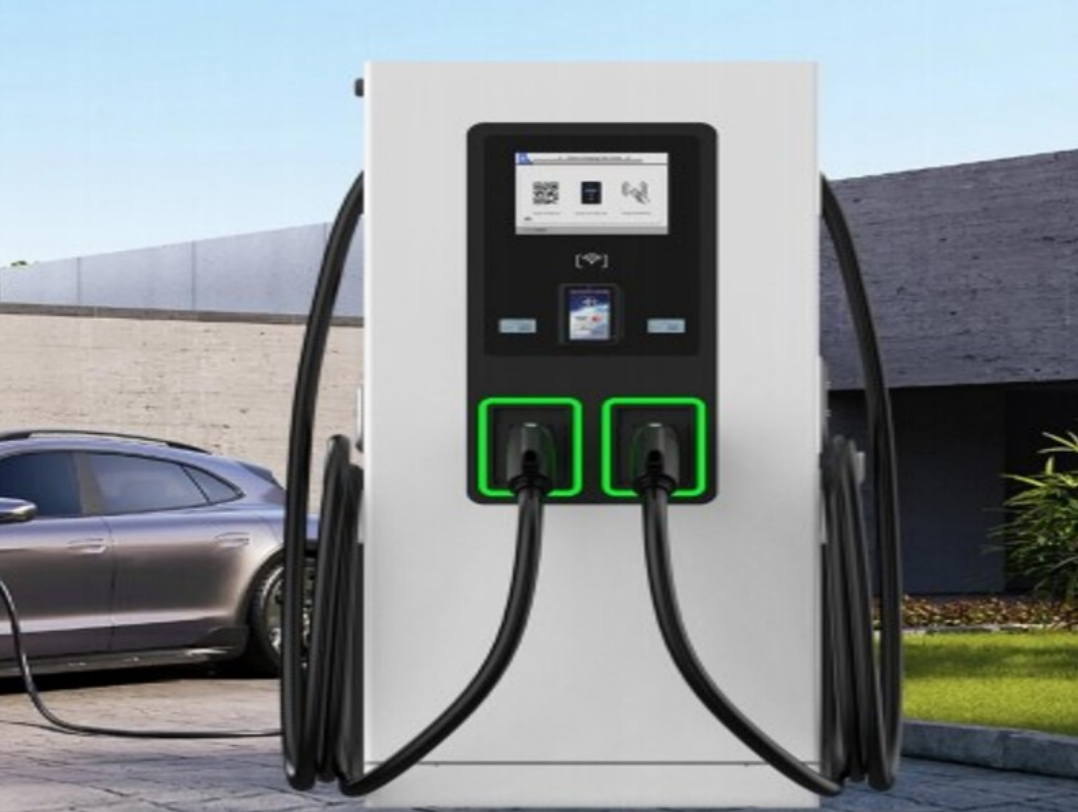
The technical architecture of these chargers is characterized by a compact and often wall-mountable or pedestal-based footprint, making them highly adaptable to space-constrained parking garages. Many models utilize high-frequency switching technology and modular power converters to maintain high efficiency and reliability, ensuring that if one module encounters an issue, the unit can continue to operate at a reduced capacity. These chargers are typically equipped with dual connectors to support both CCS and CHAdeMO standards, allowing for broad compatibility across various vehicle makes and models. Integrated thermal management systems ensure the internal electronics remain within safe operating temperatures, even during continuous use in outdoor environments. By offering a balance of relatively fast charging speeds and simplified installation requirements, the 40kW to 60kW range provides a cost-effective and practical path for businesses looking to support the growing number of electric vehicle users.

2. DC Fast Charger-DC18kW /36kW


The 18kW to 36kW DC fast charger represents a specialized category of compact energy delivery systems designed to bridge the gap between slow residential AC units and massive industrial charging hubs. These chargers are often referred to as destination DC chargers because they are perfectly suited for locations where a vehicle remains parked for roughly one to two hours, such as retail centers, auto dealerships, and fleet depots. By delivering direct current directly to the vehicle’s battery, an 18kW unit can bypass the limitations of many onboard chargers, providing a steady flow of power that significantly reduces charging times compared to standard wallboxes. When scaled to 36kW, the capacity is doubled, making it possible to add substantial mileage to a standard electric vehicle during a typical lunch break or business meeting.

One of the primary technical advantages of this power range is its relatively low impact on the electrical grid, allowing for installation in many commercial buildings without the need for massive transformer upgrades. Many of these units are designed with a modular architecture, utilizing stacked power modules that ensure high efficiency and provide a level of redundancy; if one module fails, the charger can often continue to operate at a lower output. The physical design of these chargers is frequently compact and versatile, with options for wall-mounting or portable pedestal configurations on wheels, which is particularly beneficial for automotive service centers and workshops that require flexibility. Despite their smaller footprint, they are equipped with advanced smart-grid communication protocols and thermal management systems to ensure safe and reliable operation in diverse outdoor conditions. By offering a practical balance of speed and ease of installation, the 18kW to 36kW DC charger range provides an essential and accessible fast-charging solution for modern urban and commercial infrastructure.

3. DC Advertising Fast Charger – 120-240kW


The 120kW to 240kW DC advertising fast charger serves as a sophisticated fusion of high-capacity energy infrastructure and digital media technology, designed to maximize the economic potential of commercial charging sites. By integrating a large-scale, high-brightness digital display—typically 55 inches or larger—directly into the charger’s chassis, operators can transform a standard utility into a secondary revenue stream through high-impact advertising. These screens are engineered with industrial-grade brightness levels to ensure that promotional content remains vibrant and legible even under direct midday sunlight, making the units particularly valuable for shopping malls, gas stations, and urban parking hubs where electric vehicle drivers represent a captive audience for fifteen to thirty minutes.

Technically, these chargers are powerhouses capable of providing rapid energy replenishment to the latest generations of electric vehicles. A 240kW unit often utilizes a modular design that allows for intelligent power distribution between dual charging ports, enabling it to deliver a full ultra-fast charge to one car or dynamically split the load to charge two vehicles at 120kW simultaneously. To protect both the sensitive digital electronics and the high-power charging modules, the enclosures are built to high ingress protection standards, offering robust resistance against rain, dust, and extreme temperatures. Integrated smart cloud platforms allow for the remote management of both charging operations and advertising schedules, providing operators with real-time data analytics and the ability to update content across an entire network instantly. By combining essential high-speed charging with a dynamic marketing platform, these stations offer a future-proof solution for modern smart city infrastructure.

4. AC Wallbox EVE-W-EU-A/B/D/E


The EVE-W-EU series AC wallbox represents a versatile and high-performance charging solution meticulously engineered for the European market, offering a range of configurations to meet diverse residential and commercial needs. These units are designed for permanent wall-mounting, providing a streamlined and efficient way to charge electric vehicles and plug-in hybrids by delivering alternating current at power levels typically ranging from 7kW on single-phase setups to a robust 22kW on three-phase installations. Each variant within the A, B, D, and E lineup is tailored to specific user requirements, whether that involves a tethered cable for maximum convenience or a universal socket to accommodate various vehicle types. The sleek, modern housing is constructed from high-durability, weather-resistant materials, ensuring that the internal components remain protected and fully functional in both indoor garages and exposed outdoor parking areas.

The technical foundation of the EVE-W-EU series is built upon a philosophy of safety and intelligent energy management, incorporating comprehensive protection mechanisms against overcurrent, residual current leakage, and thermal overload. This proactive monitoring ensures the longevity of the vehicle’s battery while maintaining the stability of the local electrical circuit. Many models in this series are equipped with advanced smart-grid connectivity, including Wi-Fi, Ethernet, or Bluetooth, allowing users to integrate the charger with mobile applications to track energy consumption and schedule charging sessions during off-peak hours to reduce utility costs. Furthermore, the inclusion of RFID authentication in certain versions provides an added layer of security, making these wallboxes an excellent choice for shared residential parking or workplace environments. With an intuitive interface that provides clear visual feedback on charging status, the EVE-W-EU series provides a dependable, user-centric bridge to the future of sustainable personal transportation.

5. AC Portable Charger EVE-P-EU-A/B/C/F


The EVE-P-EU series AC portable charger, covering the A, B, C, and F variants, is a highly versatile mobile charging system designed to offer electric vehicle owners maximum flexibility when away from permanent infrastructure. These units are specifically engineered to comply with European charging standards, utilizing the universal Type 2 connector while offering a variety of input plug options to match different regional power outlets. Whether drawing power from a standard residential Schuko socket or a high-capacity industrial outlet, the series provides a reliable and safe energy transfer that bypasses the need for complex installations. Each variant is built with a rugged, IP65-rated housing that ensures the internal electronics remain protected against dust and water, making these chargers suitable for use in diverse outdoor environments and unpredictable weather conditions.

The technical core of the EVE-P-EU series features an intelligent control unit that allows users to adjust the charging current across multiple levels, typically ranging from 6A to 32A, to prevent overloading the local electrical circuit. This is complemented by an intuitive interface—often featuring a clear 2.8-inch display—that provides real-time data on voltage, current, temperature, and total energy delivered. Safety is a primary focus of the design, with integrated protections against overvoltage, overcurrent, leakage, and overheating that automatically halt the charging process if any irregularity is detected. The compact and lightweight nature of these chargers allows them to be easily stored in a vehicle’s trunk, serving as a vital emergency backup or a primary charging tool for travelers and fleet operators. By offering a high-quality, plug-and-play experience, the EVE-P-EU series ensures that dependable and efficient AC power is always accessible for modern electric vehicle drivers across Europe. Get more info about residential charger floor 40-60kw.

In the end, residential electric car charging is about more than just powering a vehicle. It is about creating a system that is efficient, reliable, and aligned with modern energy goals. With the right combination of technology, planning, and innovation, it is possible to build a home charging setup that not only meets your current needs but also supports a cleaner and more sustainable world for years to come.

How Generative AI Conquered Human Interaction: The Technological Breakthroughs and Trends of the AI Kissing Video Generator

Intro

Over the past couple of years, the landscape of artificial intelligence has witnessed exponential growth, particularly within the domains of generative media. The rapid evolution of Text to Video and Image to Video architectures has empowered developers and end-users to create high-fidelity digital content from simple prompts. However, amidst this rapid progression, a significant technical bottleneck persisted: the accurate rendering of physical human interaction.For early generation machine learning models, rendering a single subject in motion was a manageable algorithmic task. Yet, instructing a model to accurately simulate complex physical contact between two distinct human entities—such as hugging, holding hands, or most notably, kissing—consistently resulted in severe visual degradation. These early attempts were plagued by the uncanny valley effect, characterized by facial distortion, limb morphing, and an inability to maintain spatial coherence.

Recently, this seemingly insurmountable barrier has been breached with the widespread emergence of the AI Kissing Video Generator. The maturation of AI kissing technology represents far more than a fleeting internet phenomenon. It signifies a fundamental advancement in how diffusion models perceive and construct three-dimensional space. By successfully rendering intimate physical contact without structural collapse, AI visual generation is transitioning from isolated subject rendering to complex relational simulation.

This article will utilize the AI Kissing Video Generator as a primary benchmark to dissect the underlying technical logic of these tools. We will explore the core commercial and social use cases, and analyze the profound implications this technology holds for the future trajectory of the generative AI industry.

Deconstructing the Core Technology: A Feature Overview of the AI Kissing Video Generator

To fully comprehend the value and impact of these platforms within the broader technological ecosystem, it is essential to first understand their operational mechanics. The leading AI Kissing Video Generator tools currently available on the market do not merely splice two photographs together. Instead, they leverage complex neural networks to perform three-dimensional spatial reconstruction and dynamic temporal evolution.

The core functional characteristics that enable flawless AI kissing include the following technical pillars:

Facial Landmark Tracking and Spatial Reconstruction:

When a user inputs static photographs containing two distinct individuals, the AI system immediately engages in high-precision facial mapping. It identifies and locks onto hundreds of micro-points across the eyes, nose, mouth, and jawline. During the generation of an AI kissing motion, the algorithmic system calculates the complex perspective shifts that occur as two faces approach one another in simulated three-dimensional space. The tool ensures that the occlusion of facial features aligns strictly with the laws of physical reality, calculating depth in real-time to prevent visual merging.Dynamic Frame Interpolation and Physical Consistency:

The ultimate algorithmic goal of the platform is to effectively Turn Photos into Realistic Kiss Videos with AI. This ambitious objective requires the underlying model to do more than simply generate the exact moment of physical contact. It utilizes advanced frame interpolation technologies to synthesize the smooth, natural transitional movements occurring before and after the interaction. By predicting the trajectory of motion, the system eliminates stuttering and maintains pixel-level physical consistency throughout the sequence.Adaptive Illumination and Shadow Recalibration:

During the physical approach and subsequent contact, the illuminated surfaces of the subjects’ faces undergo dramatic and rapid transformations. Modern AI Kissing Video Generator systems are equipped with environmental lighting prediction algorithms. These algorithms automatically recalculate dynamic shadows and highlights based on the perceived light source in the original static images, ensuring the final output avoids the flat, artificial appearance typical of older composites.


Use Cases: An Overview of Commercial and Social Applications

The advent of the reliable AI Kissing Video Generator has rapidly filled a void in the market for highly emotional, interactive AI content creation tools. From the entertainment demands of individual digital citizens to the sophisticated digital marketing strategies of enterprise-level corporations, this specific branch of generative AI is demonstrating a highly diversified spectrum of application value. We are witnessing the maturation of generative AI for human interaction, transitioning from isolated laboratory experiments to scalable consumer applications.

Use Case 1 – Social Media and Viral Content Creation

In the highly competitive ecosystems of platforms such as TikTok, Instagram, and X, visual novelty serves as the primary currency for traffic acquisition. Content creators and digital influencers are aggressively leveraging these advanced tools to create a viral AI kiss video from static images. This application thrives on several key factors:

  • Concept Juxtaposition:Users frequently synthesize static photographs of historically disparate figures, fictional cinematic characters, or unexpected celebrity pairings to generate highly dramatic or humorous interactive video content.
  • Low-Barrier Production:The stark juxtaposition and unexpected nature of this AI kissing content significantly lower the barrier to entry for viral video production, eliminating the need for complex CGI software or green screens.
  • High-Yield Engagement:It provides Multi-Channel Networks (MCNs) and independent creators with a low-cost, high-yield mechanism for audience engagement and algorithm manipulation, instantly capturing viewer attention.

Use Case 2 – Emotional Compensation and Digital Memorialization

Beyond its primary entertainment attributes, the ability to turn photos into realistic kiss videos with AI is demonstrating profound utility within the sensitive sphere of digital memorialization. This application represents a significant evolution in AI video synthesis from static photos, functioning through:

  • Bridging Geographical Divides:A growing demographic of users utilizes these tools to composite individual photographs of loved ones who are separated by vast geographical distances, fostering a sense of continued digital connection.
  • Psychological Processing:Tragically, users also apply this technology to images of deceased partners or relatives. By generating highly emotional, interactive video sequences, users find a technologically mediated pathway for psychological projection and emotional processing.
  • Micro-Expression Handling:The tool’s capacity to delicately handle facial micro-expressions elevates it from mere pixel manipulation to a vehicle that addresses real-world emotional deficits with surprising empathy.

Use Case 3 – Interactive Marketing and Brand Communication

  1. On the commercial marketing front, forward-thinking brands are integrating this specialized form of relational animation in AI video into their consumer engagement campaigns. A practical example can be observed during interactive holiday marketing initiatives, which typically follow this user journey:User Initiation:A brand provides a custom web interface allowing users to upload photographs of themselves and their partners for a Valentine’s Day campaign.
  2. Backend Synthesis:Utilizing a customized, API-driven AI Kissing Video Generator, the backend system automatically processes the images.
  3. Branded Output:The system generates a dynamic video sequence featuring brand-specific filters, thematic backgrounds, and corporate watermarks.
  4. Social Amplification:This highly personalized User-Generated Content (UGC) is naturally shared by users, significantly elevating brand participation rates, fostering deeper consumer loyalty, and driving exponential social sharing metrics.


Industry Trends and Future Development: Solving Specific Problems in Video Generation

The sudden proliferation of AI kissing technologies provides a definitive answer to a critical question regarding the evolution of underlying machine learning architectures. It serves as a benchmark for overcoming AI video rendering distortions.

Historically, mainstream diffusion models exhibited exceptionally poor performance when confronted with the concept of visual “occlusion”—when one object blocks the camera’s view of another. The industry is currently witnessing several transformative trends driven by these solutions:

  • Mastering Complex Occlusion:When Face A obscured a portion of Face B in early AI video attempts, the algorithmic system would frequently confuse the pixel data, resulting in horrifying visual anomalies like fused lips. Modern tools resolve this by seamlessly calculating what should remain hidden and what should be displayed during close physical contact.
  • Advanced Bounding Box Limitations:The modern AI Kissing Video Generator introduces highly stringent Bounding Box limitations directly into the foundational algorithms, preventing structural collapse when two distinct subjects interact within the same pixel space.
  • Comprehensive Depth Mapping Analysis:The technology signals an irrevocable transition from probability-based pixel stacking to physics-based three-dimensional rendering.

As these models refine their understanding of spatial relationships, we can anticipate a future where the synthesis of complex physical interactions extends far beyond AI kissing. Generating highly complex, multi-person interactions—ranging from high-impact sports collisions to intricate dual choreography—will soon become visually indistinguishable from reality due to the benchmarks established by these current tools.


Deep Insights (Why It Matters): The Deeper Signals of Technological Mainstreaming

When we step back to analyze the phenomenon beyond the functionality of the tool itself, the widespread adoption of the AI Kissing Video Generator transmits profound signals to the broader technological and regulatory communities. It serves as empirical evidence that artificial intelligence systems are deepening their comprehension of human “context and relationship.”

The algorithmic capacity to seamlessly Turn Photos into Realistic Kiss Videos with AI dictates that the machine no longer merely identifies the presence of “two people” within a designated frame. Instead, it demonstrates a nascent understanding of the spatial distance between the two entities, the implied intent of their interaction, and the corresponding biomechanics required to execute the movement naturally.

However, the democratization of this sophisticated relational rendering capability inevitably introduces formidable ethical and regulatory challenges. When any user with an internet connection can effortlessly create a viral AI kiss video from static images, the industry must address severe risks:

  • The Threat of Malicious Deepfakes:The inherent risks associated with Deepfake technology are magnified exponentially. The potential for the violation of portrait rights, non-consensual imagery, and the rapid dissemination of malicious disinformation becomes increasingly difficult to mitigate.
  • Cryptographic Watermarking Solutions:Consequently, top-tier developers and AI research institutions are actively exploring the integration of cryptographic, invisible watermarking technologies within the generation output to ensure traceability.
  • Input Authentication Protocols:Furthermore, there is a unified industry push toward implementing stricter facial recognition authentication mechanisms at the input stage. This ensures that the extraordinary power of the AI Kissing Video Generator operates securely within robust, compliant ethical guardrails.


Final Thoughts

In conclusion, the AI Kissing Video Generator must not be dismissed as a mere ephemeral entertainment novelty native to social media ecosystems. Serving as the vanguard application that successfully conquered the algorithmic nightmare of physical spatial interaction rendering, it represents a monumental leap forward in the fields of computer vision and generative media.

From empowering digital creators to rapidly engineer viral content, to providing ordinary individuals with sophisticated digital solutions for emotional connection, every iteration of AI kissing technology continuously expands the theoretical and practical boundaries of digital content creation. As foundational machine learning algorithms further deepen their intrinsic understanding of real-world physical laws, we can confidently project that future iterations of AI video platforms will possess the capability to entirely reconstruct the most complex, nuanced, and intimate interactive scenarios of human society with unprecedented fidelity and logical coherence.

Throughout this ongoing technological renaissance, the mandate to strike a sustainable equilibrium between aggressive technological innovation and rigorous ethical security will remain the central, defining challenge for all industry professionals and stakeholders.


Why AI Image Generation Is Revolutionizing Digital Content Creation

The digital content world is evolving faster than ever, and much of that change is being powered by the best AI Image Generator Tools that are transforming how creators produce visual content. What once required extensive design skills, long production timelines, or large creative teams can now often begin with a simple prompt and a strong idea.

AI image generation is no longer just a fascinating technology trend. It is becoming a core force reshaping digital content creation itself. From blog visuals and marketing graphics to social media content, concept art, and brand storytelling, creators across industries are using AI to work smarter, move faster, and explore ideas in ways traditional workflows often made difficult.

This is why many see AI image generation not as a minor creative upgrade, but as a genuine revolution.

Visual Content Has Become Essential

Modern digital content is increasingly visual.

Articles need feature graphics.

Social posts compete through imagery.

Videos need thumbnails.

Brands rely on visual identity.

Even educational content increasingly depends on visuals to engage audiences.

That demand creates pressure.

Creators need more visual content than ever.

And often faster than ever.

AI image generation addresses that challenge directly.

It makes producing visual content dramatically easier and more scalable.

That alone is revolutionary.

Speed Is Changing Content Workflows

One of the biggest reasons AI is transforming digital content creation is speed.

Traditional visual production often involves:

  • Concept development
  • Design work
  • Revisions
  • Asset sourcing
  • Editing

That can take hours or days.

AI can compress parts of that process into minutes.

Creators can rapidly generate:

  • Blog graphics
  • Social visuals
  • Concept images
  • Marketing assets
  • Content illustrations

This acceleration changes workflows.

Visual production becomes less of a bottleneck.

And when bottlenecks disappear, content output changes.

That is one reason this feels revolutionary.

AI Is Expanding What Solo Creators Can Do

In the past, highly polished content often favored creators with access to large teams or professional resources.

AI is changing that.

Independent creators can now produce sophisticated visuals that once required specialized support.

A solo creator can generate:

  • Branded graphics
  • Original illustrations
  • Campaign visuals
  • Story concepts
  • Professional-looking creative assets

That narrows the gap between independent creators and larger organizations.

And that changes digital competition.

Revolutions often happen when tools become widely empowering.

That is happening here.

Creativity Is Becoming More Scalable

One major challenge in digital content creation is scale.

Creating consistently strong visuals at volume can be difficult.

AI helps solve that.

Creators can produce more visual assets without proportionally increasing production effort.

That matters for:

  • Content marketers
  • Bloggers
  • Agencies
  • Ecommerce brands
  • Social creators
  • Media publishers

Visual creativity becomes more scalable.

And scalability often transforms industries.

That is part of what makes this shift so significant.

AI Makes Experimentation Easier

Strong digital content often comes from experimentation.

Trying ideas.

Testing concepts.

Exploring visual directions.

Traditionally, experimentation can be time-consuming.

AI reduces that friction.

Creators can test multiple visual approaches quickly.

Compare styles.

Generate variations.

Refine concepts faster.

That encourages creative risk-taking.

And risk often produces better content.

This may be one of AI’s biggest hidden advantages.

It helps creators experiment more.

Original Visual Content Is More Accessible

For years, many creators relied heavily on stock imagery.

Stock photos can work.

But they often feel generic.

AI offers a path toward more original visuals.

Instead of searching for something close enough, creators can generate imagery aligned with their exact vision.

That changes content quality.

And originality matters online.

Unique visuals help content stand out.

That makes AI especially powerful in crowded digital spaces.

Content Production Is Becoming More Idea-Driven

Another major shift:

AI makes content creation more driven by ideas rather than technical limitations.

A strong concept can often become a visual far faster than before.

That means imagination has greater leverage.

Creators can spend less energy wrestling with production constraints and more energy developing concepts.

That is a profound shift.

Because the best digital content often begins with strong ideas.

AI helps ideas move faster toward execution.

AI Supports Multiple Content Formats

Another reason AI image generation feels revolutionary is versatility.

It supports many content formats:

Blogging

Custom illustrations and feature images.

Social Media

Visual posts, creative assets, promotional graphics.

Video Content

Storyboards, thumbnails, concept visuals.

Brand Content

Campaign visuals, identity assets, creative direction.

Educational Content

Explainers, diagrams, visual aids.

One technology touching so many content forms tends to have broad impact.

That is happening here.

Creative Workflows Are Becoming Collaborative

AI is also changing how creators work.

Increasingly, creators use AI as part of collaborative workflows.

Not simply as output generators—

but as creative partners.

They use AI for:

  • Brainstorming
  • Concept generation
  • Draft visuals
  • Style exploration
  • Iterative refinement

That collaborative model is very different from traditional software.

And it may represent a deeper transformation in creative work itself.

Small Teams Can Create Bigger Content

One reason AI feels revolutionary is leverage.

Small teams can often produce content output that once required much larger resources.

That matters for startups.

Agencies.

Independent publishers.

Creator businesses.

Resource constraints begin to matter less.

Creative leverage increases.

And leverage changes industries.

That is often what revolutions look like.

AI Is Influencing Visual Culture

The impact goes beyond efficiency.

AI image generation is influencing digital aesthetics themselves.

New styles.

Prompt-driven art trends.

Experimental visual cultures.

Hybrid aesthetics.

Creators are not just using AI to make content.

AI is shaping how digital content looks.

That cultural influence matters.

It suggests something deeper than a tool trend.

It suggests a creative shift.

Personalization Is Becoming More Powerful

Modern digital content increasingly values personalization.

AI helps support that.

Creators can generate visuals tailored to:

  • Specific audiences
  • Niche communities
  • Brand identities
  • Individual campaigns

That kind of visual personalization can improve engagement while making content feel more distinctive.

And it becomes scalable through AI.

That is powerful.

Human Creativity Is Being Amplified, Not Replaced

A common misconception is that AI revolutionizes content by replacing creators.

In practice, its strongest impact often comes from amplification.

Helping creators do more.

Explore more.

Produce more.

Imagine more.

Human creativity remains central.

AI often expands it.

That distinction matters.

Because revolutions in creative technology usually empower creators rather than erase them.

Challenges Are Part of the Shift

Of course, no revolution comes without questions.

Creators continue navigating issues around:

  • Quality control
  • Originality
  • Ethical use
  • Visual overproduction
  • Audience fatigue around generic AI imagery

These challenges are real.

But they are often signs of a technology moving from novelty into maturity.

And thoughtful creators are already adapting.

What the Future May Look Like

AI image generation is still evolving.

Future developments may include:

  • Smarter creative collaboration
  • Better consistency across projects
  • Deeper personalization
  • Integrated image + video creation
  • More interactive generative workflows
  • AI-supported creative agents

As those tools improve, digital content creation may become even more dynamic.

And likely even more creator-driven.

Why Creators Should Pay Attention

This matters because major creative shifts often reward early adopters.

Creators exploring these tools now are learning workflows others may adopt later.

They are building creative advantages.

Testing new formats.

Developing new capabilities.

That matters.

Because revolutions often feel gradual—

until suddenly they feel inevitable.

AI image generation may be at that point.

Final Thoughts

AI image generation is revolutionizing digital content creation because it makes visual production faster, more scalable, more experimental, and more accessible than traditional approaches often allowed.

It empowers solo creators.

Supports richer storytelling.

Accelerates workflows.

Expands originality.

And changes how creative work happens online.

This is bigger than making images with prompts.

It is a shift in how digital content gets imagined and produced.

And for creators paying attention, it may be one of the biggest creative opportunities of this era.