Why Telegram Casinos Are Gaining Popularity in 2024

Introduction

The online gambling industry is continuously evolving, and one of the most significant shifts in 2024 is the rising popularity of Telegram casinos. With advancements in technology and changing consumer behavior, many gamblers are now moving towards more accessible, decentralized, and secure gaming platforms.

Telegram, a widely used messaging app known for its privacy features, has become a hub for innovative casino platforms. But what makes Telegram casino stand out in an increasingly competitive market? In this article, we will explore the factors driving their popularity, the benefits they offer, and the potential challenges players and operators might face.

The Rise of Telegram Casinos in 2024

1. Decentralized and Anonymous Gaming

One of the primary reasons Telegram casinos are gaining traction is their ability to offer decentralized gambling experiences. Unlike traditional online casinos, which require players to disclose personal information and banking details, many Telegram-based platforms allow users to wager anonymously using cryptocurrencies. This ensures greater privacy and security, making them particularly appealing to players who value discretion.

2. Blockchain and Cryptocurrency Integration

The integration of blockchain technology in Telegram casinos has revolutionized the way bets are placed and winnings are distributed. Players can enjoy:

  • Fast and secure transactions via Bitcoin, Ethereum, and other cryptocurrencies.
  • Lower transaction fees compared to traditional payment methods.
  • Provably fair gaming, ensuring that all results are transparent and tamper-proof.

With the growing adoption of crypto casinos, Telegram has positioned itself as a leading platform in this space.

3. Instant Access and User-Friendly Experience

Unlike conventional online casinos that require account creation, identity verification, and software downloads, Telegram casinos operate directly within the messaging app. This provides:

  • Seamless user experience—players can start betting within minutes.
  • No geographical restrictions, as Telegram is available globally.
  • Efficient and automated customer support through AI-driven chatbots.

Advantages of Telegram Casinos Over Traditional Platforms

4. Enhanced Security and Privacy

Telegram casinos offer superior security features compared to standard online casinos. Thanks to end-to-end encryption and blockchain verification, players can gamble without fear of data breaches or personal information leaks.

5. Lower Operating Costs and Better Payouts

Since Telegram casinos operate with fewer overhead costs, they can afford to offer higher payout rates and more generous bonuses. This makes them a more attractive option for players looking to maximize their winnings.

6. Integration with Decentralized Finance (DeFi)

The incorporation of DeFi technology allows users to:

  • Stake tokens for passive earnings.
  • Participate in decentralized betting pools.
  • Earn rewards through smart contracts.

This integration further enhances the appeal of Telegram casinos by providing financial incentives beyond regular gameplay.

Challenges and Considerations

While Telegram casinos are undoubtedly appealing, there are some challenges to consider:

7. Regulatory Uncertainty

Since Telegram casinos often operate on decentralized networks, they exist in a legal grey area. Players should ensure they are gambling on licensed and reputable platforms to avoid potential risks.

8. Risk of Scams and Fraudulent Platforms

Due to the anonymous nature of Telegram casinos, some fraudulent operators may take advantage of unsuspecting players. It is essential to:

  • Verify the casino’s legitimacy.
  • Check for player reviews and ratings.
  • Use only reputable crypto wallets for transactions.

9. Limited Game Selection

Although Telegram casinos are expanding, they still offer a more limited game selection compared to traditional online casinos. Players looking for advanced gaming experiences such as live dealer games may find fewer options.

The Future of Telegram Casinos

With continuous advancements in blockchain technology and cryptocurrency adoption, the future of Telegram casinos looks promising. Some potential developments include:

  • Integration of VR and AI-based gaming experiences.
  • Expansion of licensed Telegram casinos with more regulatory compliance.
  • Enhanced smart contract capabilities to offer better transparency and automation.

Conclusion

The surge in Telegram casinos is a testament to the shifting preferences of modern gamblers who prioritize privacy, security, and instant accessibility. While there are risks involved, the benefits far outweigh them for players who use reputable platforms. As blockchain technology continues to evolve, Telegram-based gambling is poised to redefine the online casino industry.
Why Is It Necessary To Schedule Fleet Maintenance?

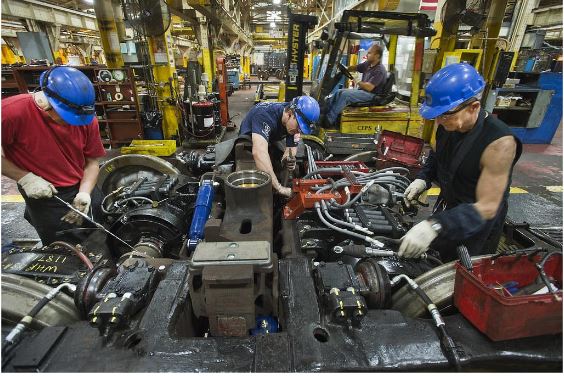
Fleet maintenance repair forms the backbone of any effective fleet management system through which vehicles run efficiently, safely, and reliably. For any business, reliant on fleets to execute daily operations in logistics, transport, or service sectors, disregard for regular maintenance may lead to costly breakdowns, operational delays, and even safety risks. 

Scheduling maintenance for fleets is not just about keeping the wheels on the road but also optimizing performance, reducing downtime, and safeguarding investments. 

The Impact of Fleet Maintenance on Operational Efficiency

Fleet maintenance has a direct impact on operational efficiency. Vehicles are critical tools for most companies; their reliability ensures that the company will be able to fulfill its commitments. 

One unplanned breakdown may result in disrupted schedules, delayed deliveries, and bruised customer relationships. Through routine maintenance, businesses can identify and fix potential issues before they become major problems.

Predictably, vehicles do very well when maintained regularly. This includes running more efficiently since an engine is likely to give good service if properly serviced. Low consumption of fuel not only saves on operating expenses but also ensures environmental safety due to lower emission levels. 

Where profit margins are small, fleet performance optimization can be done effectively through routine vehicle maintenance to maintain competitiveness.

Other planned maintenance allows a business to organize repairs during their off-peak hours or downtime. This helps minimize disruptions from the daily routine and ensures the availability of a vehicle when they are most required. A properly maintained fleet equates to being a reliable fleet, and to keep customers trusted and satisfied, reliability is indispensable.

Scheduled Maintenance Prioritizes Safety

The most critical reasons for scheduling fleet maintenance in terms of safety are that vehicles not properly maintained pose a hazard to the drivers, passengers, and other road users. Brake failure, worn tires, or defective lights may lead to accidents that could have been prevented by regular inspections and timely repairs.

Routine maintenance ensures that all safety-critical components of a vehicle are functioning correctly. Mechanics check brakes, steering systems, tires, and other essential parts during scheduled servicing. Addressing wear and tear early reduces the likelihood of accidents caused by mechanical issues.

Safe vehicles also help a business operating fleets avoid legal liabilities. Poorly maintained vehicles could lead to accidents that may involve lawsuits and reputational damage. By giving priority to fleet maintenance repair, the company is concerned with safety and adherence to the law.

According to the NHTSA’s estimates, mechanical failure causes about 12% of the total motor vehicle crashes occurring annually in the US. As such, regular maintenance plays an integral role in accident prevention and highway safety.

Extension Of Fleet Vehicles’ Life Span

Owning a fleet is an expensive investment for any organization; therefore, each vehicle has to be used for as long as possible to maximize this investment. Scheduled maintenance forestalls the wear and tear of the parts of an automobile to ensure that each part results in maximum utilization.

Simple maintenance of the car like oil changes, filter replacement, tire rotations, and checks on fluids retain factory-fresh runs over some time. In that way, it helps big-time to avoid giant-scale mechanical breakdowns that eventually will leave them non-operational or in another case, repairs become expensive. Maintenance also reduces the chances of breakdown, making a car more operational than expected.

In addition to extending a vehicle’s life, regular maintenance ensures better resale value. In the process of replacing old models with new ones, buyers will most likely pay a higher price for a vehicle that can present detailed maintenance records, proving it was well cared for from the beginning.

For companies looking to begin optimizing tighter budgets and reduce capital expenditures on new vehicles, continuing the life of existing fleet assets through routine maintenance is a financially prudent approach.

Avoiding Unexpected Costs And Downtime

Unplanned breakdowns are among the most disruptive issues that fleet operators have to deal with. Apart from causing expensive emergency repairs, these incidents also result in unplanned downtimes that derail operations. Regular fleet maintenance repair, on the other hand, minimizes these risks through the identification of possible issues before they become critical.

Preventive maintenance allows mechanics to spot worn-out parts or components that are on the verge of failure during routine inspections. Proactively replacing such parts avoids expensive emergency repairs later on. In the long term, this will save money and keep vehicles operable when needed.

The consequences of such downtime are far-reaching: delayed deliveries, missed appointments, and dissatisfied customers tend to affect revenues and reputation. By adhering to a tight maintenance schedule, companies can minimize their chances of downtime and ensure consistent service levels.

Other financial benefits include the impact of regular maintenance on insurance costs. Most insurance companies will give substantial premium discounts on those fleets with excellent safety records where good maintenance programs are in place. This further shows the cost-saving potential of proactive vehicle care.

Ensuring Compliance With Regulations

They have to adhere to many regulations regarding safety and emissions for their fleets. Non-compliance may lead to fines or other penalties, which will paralyze the operations and affect profitability. Scheduling routine fleet maintenance is one way to be in adherence to all such applicable laws while setting uncompromising standards for safety and performance.

Driver Satisfaction and Retention

Drivers are considered the lifeline of any fleet operation; driver satisfaction, therefore, directly influences overall productivity and performance. Assuring drivers of a well-maintained vehicle helps in enhancing satisfaction and improving retention rates. When drivers drive models that are reliable and never break down or stop working, over time, drivers feel valued by their employer, which boosts morale over time.

Regular maintenance reduces stress and frustration for on-road drivers, who have to deal with problems concerning their vehicles. This will lead to better job satisfaction, increased productivity, and higher retention rates among fleet drivers. Happy drivers are more likely to take better care of their vehicles, creating a positive cycle of vehicle longevity and driver contentment.

Leveraging Technology for Efficient Fleet Maintenance

In today’s digitized world, technology is the key that makes fleet maintenance smooth. Advanced fleet management software and telematics systems generate real-time data on vehicle performance, enabling managers to schedule maintenance based on actual usage rather than arbitrary timelines.

These technologies can now track mileage, engine hours, and fuel consumption, and even forecast potential issues, sometimes before they happen. Fleet managers can implement predictive maintenance leveraging this data so that problems may be addressed before breakdowns or costly repairs.

Final Thoughts

Scheduling fleet maintenance is not simply a routine task; it’s a strategic imperative for any organization that relies on vehicles to operate. The importance of regular maintenance goes way beyond just keeping the vehicles on the road, as it encompasses safety, efficiency, compliance, cost management, and even employee satisfaction. By giving scheduled fleet maintenance repair the priority it deserves, businesses can ensure their vehicles perform optimally, last longer, and add value to the bottom line.