Safest Ways to Whiten Teeth

A bright smile is more than just a cosmetic desire, it’s often tied to how people feel about themselves. While yellowing teeth are a natural part of aging, habits like drinking coffee, tea, red wine, or smoking can speed up the process. Many folks are drawn to quick-fix solutions or TikTok trends that promise pearly whites overnight. The truth is, some of those methods can damage your enamel or gums, possibly leading to sensitivity or other dental problems.

That’s why knowing the safest ways to whiten teeth is important. There are effective, gentle options out there, but it helps to understand which ones are worth your time and which might cause more harm than good. If you’re thinking about teeth whitening, there’s no shortage of products, but not all of them are created equal.

Start With a Professional Cleaning

Sometimes, teeth look yellow because of surface stains or plaque buildup. A professional cleaning at your dentist’s office can remove hardened tartar and polish away stains, giving your teeth a brighter look without any bleaching. It’s also a good way to make sure your gums are healthy before trying any whitening treatments. Skipping this step might mean whitening unevenly or irritating gum tissue.

Getting your teeth cleaned every six months can go a long way toward keeping them naturally whiter. And if you haven’t had a cleaning in a while, you might be surprised how much better your teeth look afterward.

Whitening Toothpastes and Mouthwashes

Whitening toothpastes can be a simple and safe starting point. Most use mild abrasives like silica to scrub away surface stains. Some formulas also include small amounts of hydrogen peroxide or carbamide peroxide for added whitening power.

They won’t drastically change the color of your teeth, but over time, they can lift stains from coffee or wine. Mouthwashes with whitening agents work in a similar way, though they’re usually less effective than toothpaste because they don’t stay in contact with teeth long enough.

Still, both are safe for daily use when used as directed, and they’re a great option for people with sensitive teeth or gum issues.

Custom Trays From a Dentist

If you’re looking for noticeable results without risking damage, dentist-made whitening trays are one of the best options. Your dentist takes a mold of your mouth to create a snug-fitting tray, then gives you a whitening gel (usually with carbamide peroxide). You wear the tray for a set amount of time each day, usually a week or two.

Because the trays fit perfectly, the gel stays where it’s supposed to. That means you get even whitening and less risk of irritating your gums. Plus, your dentist can adjust the strength of the gel based on how sensitive your teeth are.

This method is more expensive than over-the-counter kits, but the results tend to be better, and it’s tailored specifically for your mouth.

Whitening Strips and Gels

Over-the-counter whitening strips are widely available and relatively safe when used as directed. They use hydrogen peroxide to bleach the teeth, and most brands show results within a few days. Strips are easy to apply and can be worn while doing chores or watching TV.

Some gels come with a brush or pen applicator, letting you paint the gel directly onto each tooth. This can be helpful for targeting small spots or avoiding gum contact.

Both strips and gels can cause some sensitivity, especially if overused. It’s important not to leave them on too long or use them more often than recommended. People sometimes double up or sleep in their strips, thinking they’ll get whiter teeth faster, but that just risks burning the gums or weakening enamel.

Avoiding TikTok Trends and DIY Hacks

You might’ve seen videos of people brushing with activated charcoal, rubbing banana peels on their teeth, or even applying straight hydrogen peroxide. These might sound harmless or even “natural,” but that doesn’t make them safe.

Charcoal can be too abrasive and wear down enamel over time. Acidic fruits like lemons or strawberries can erode the protective outer layer of your teeth. And using straight peroxide, especially at high concentrations, can damage soft tissues and increase sensitivity.

Some people try baking soda and peroxide paste, thinking it’s gentle, but regular use can lead to gum irritation or uneven whitening. DIY solutions can also increase the risk of gum recession if applied too often or incorrectly.

LED Whitening Devices

At-home LED whitening kits have grown in popularity. They typically use a blue LED light combined with a peroxide-based gel. The idea is that the light accelerates the whitening process. While research is mixed on whether the light actually boosts effectiveness, most devices are safe when the instructions are followed.

The light itself doesn’t whiten teeth. It’s the gel that does the work, and the light may help it penetrate better or just act as a timer. The key is making sure the gel doesn’t leak onto your gums and that the light doesn’t get too hot, which could cause discomfort.

Not all devices are the same, though. Cheap versions may be less effective or even unsafe, so it’s better to go with well-reviewed brands or ones recommended by dentists.

Dietary Habits That Help

What you eat and drink can make a big difference in how white your teeth stay. Coffee, tea, cola, red wine, and dark berries are known for staining enamel. If you can’t give them up, using a straw can reduce contact with your teeth, especially the front ones.

It also helps to rinse with water after meals and drinks. Some people brush immediately, but waiting about 30 minutes after acidic foods or drinks is safer. That gives your enamel time to re-harden before brushing, reducing wear.

Crunchy fruits and vegetables like apples, carrots, and celery act as natural scrubbers, helping clean teeth while you chew. Cheese and dairy products are rich in calcium and can help strengthen enamel, which keeps teeth looking brighter over time.

Know When to Talk to a Dentist

If your teeth are discolored due to trauma, medication, or internal staining, over-the-counter whitening might not help. Some cases need different approaches like bonding, veneers, or professional whitening systems.

A dentist can also check for cavities or gum disease before you whiten. Bleaching a cavity can make it worse, and sensitive gums can become more irritated. If you’ve had dental work like crowns or veneers, they won’t respond to bleaching agents at all.

So if you’re unsure why your teeth look dull or you’ve tried whitening without success, it’s worth getting a professional opinion. They can help figure out the cause and guide you toward a safe solution.

Maintaining Results

Once your teeth are whiter, you’ll want to keep them that way. Brushing twice a day with fluoride toothpaste, flossing daily, and getting regular dental cleanings go a long way. Using a whitening toothpaste a few times a week can help maintain brightness, and touch-up treatments every few months might be needed depending on your habits.

If you smoke, quitting can make a huge difference. Tobacco stains are stubborn, and no whitening product will be effective long-term if you keep lighting up.

Drinking more water, eating a balanced diet, and limiting staining foods all help keep your smile looking great. Think of whitening as part of a full-mouth routine, not just a cosmetic fix.

Final Thought

A whiter smile doesn’t have to come with pain, sensitivity, or long-term damage. There are safe, proven options that work without wrecking your enamel or hurting your gums. The key is being consistent, cautious, and patient. Quick fixes might be tempting, but when it comes to your teeth, slow and steady wins the race.
 

Hair Transplant in Dubai: Everything You Need to Know About Cost, Clinics, and Success Rates

Hair loss can significantly affect confidence, appearance, and overall well-being. In 2025, the popularity of hair transplant in Dubai continues to rise, driven by cutting-edge technology, internationally accredited surgeons, and high success rates. Whether considering a permanent hair restoration solution or evaluating global medical tourism options, Dubai stands out as a prime destination.

This detailed guide explores every aspect of undergoing a hair transplant in Dubai, including procedure types, pricing structures, clinic quality, and expected results.

Understanding Hair Transplant Procedures

What Is a Hair Transplant?

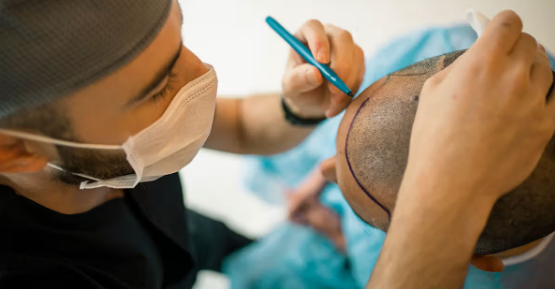
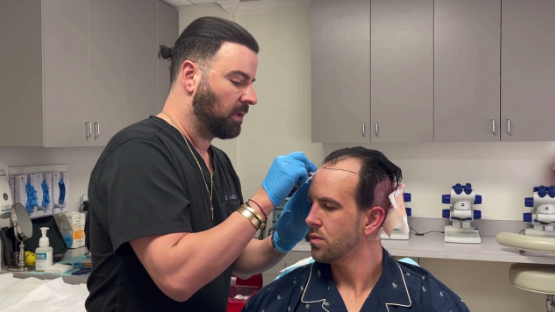
A hair transplant is a minimally invasive surgical procedure that relocates healthy hair follicles from one part of the body (typically the back of the scalp) to balding or thinning areas. This technique ensures natural hair growth and long-lasting results.

Common Techniques Used in Dubai

FUE (Follicular Unit Extraction)

  • Individual hair follicles are extracted and implanted
  • Minimally invasive with faster recovery
  • Suitable for patients with moderate to advanced hair loss

FUT (Follicular Unit Transplantation)

  • A strip of scalp is removed and dissected into grafts
  • Leaves a linear scar
  • Offers higher graft yield in a single session

DHI (Direct Hair Implantation)

  • Uses a Choi implanter pen for precise graft placement
  • No need for channel incisions
  • High-density, natural-looking results

Dubai clinics frequently offer customized solutions by combining techniques for optimal outcomes.

Why Choose a Hair Transplant in Dubai?

World-Class Infrastructure and Technology

Dubai clinics invest heavily in medical innovation. Advanced diagnostic tools, robotic assistance in graft placement, and sterile operating environments make procedures both safe and efficient.

Internationally Trained Surgeons

Many hair restoration specialists practicing in Dubai hold certifications from the International Society of Hair Restoration Surgery (ISHRS) and have trained in Europe, the U.S., or Turkey.

Medical Tourism Incentives

Dubai supports medical travelers with:

  • Fast-track visa processing
  • Dedicated concierge services
  • Luxury accommodations near clinic hubs

These benefits enhance the appeal for those traveling from Europe, Asia, or the Gulf region.

Top-Rated Hair Transplant Clinics in Dubai

Below are highly rated clinics known for delivering excellent hair transplant in Dubai services:

1. Tunio Aesthetics Dubai

  • Specializes in FUE and hybrid techniques
  • Offers PRP therapy for post-surgery recovery
  • Bilingual staff and medical tourism packages

2. Bizrahmed Clinic

  • Led by Dr. Bashar Bizrah, a pioneer in facial plastic and hair surgery
  • Emphasizes natural hairline design
  • Offers video consultations for international patients

3. Dubai Cosmetic Surgery Clinic

  • Offers both FUT and FUE procedures
  • Equipped with the latest ARTAS robotic system
  • Transparent pricing and follow-up services

Hair Transplant Cost in Dubai (2025)

Average Cost Breakdown

Type of Procedure Cost Range (AED) Equivalent (USD)
FUE 10,000–25,000 2,700–6,800
FUT 7,000–18,000 1,900–4,900
DHI 15,000–35,000 4,000–9,500

Pricing may vary depending on:

  • Number of grafts
  • Clinic location
  • Experience of the surgeon
  • Additional services (e.g., PRP, hotel stay, transport)

Is Hair Transplant in Dubai Worth the Cost?

Yes, considering the combination of high medical standards, skilled practitioners, and impressive success rates, Dubai offers excellent value for those seeking permanent hair restoration.

Success Rates and Recovery

What Is the Success Rate of Hair Transplants in Dubai?

Modern clinics in Dubai report success rates of 90% to 98%, especially when procedures are performed by board-certified professionals. Factors influencing results include:

  • Patient health
  • Graft survival rate
  • Post-operative care adherence

Recovery Timeline

  • Days 1–3: Redness, slight swelling; avoid strenuous activity
  • Day 7: Crusting starts to fall off
  • Weeks 3–4: Shedding phase (normal)
  • 3–6 Months: Noticeable growth begins
  • 12–18 Months: Full results visible

Doctors often recommend PRP therapy or topical treatments to support follicle strength during the recovery phase.

Things to Consider Before Booking a Hair Transplant in Dubai

1. Credentials and Reviews

  • Confirm ISHRS affiliation or DHA (Dubai Health Authority) license
  • Read third-party reviews and verify real patient testimonials

2. Clinic Hygiene Standards

Inspect photos or request a video tour of the clinic. Internationally accredited clinics typically meet high sterilization protocols.

3. Consultation Availability

Many Dubai clinics offer:

  • Free online consultations
  • Scalp analysis
  • Cost estimates based on photos

These services allow international patients to plan efficiently without initial travel.

Hair Transplant for Women in Dubai

While hair restoration is often associated with male pattern baldness, many women in Dubai also seek solutions for:

  • Hormonal thinning
  • Postpartum shedding
  • Scarring alopecia

Clinics provide tailored treatments with a focus on preserving the natural density and hairline aesthetics.

Are There Risks Involved?

Hair transplant procedures in Dubai are generally safe, but potential side effects include:

  • Temporary swelling or redness
  • Itching or numbness in the donor area
  • Mild discomfort for 1–2 weeks

Choosing a reputable clinic minimizes the likelihood of complications. Always follow post-op instructions strictly to ensure optimal healing.

Alternative Hair Restoration Treatments Offered in Dubai

For those not ready for surgery, leading clinics also offer:

  • PRP (Platelet-Rich Plasma) Therapy: Enhances natural growth
  • Laser Therapy: Stimulates scalp blood flow
  • Mesotherapy: Nutrient-rich injections to nourish follicles

These options can delay hair loss progression or complement surgical results.

Conclusion: Is a Hair Transplant in Dubai the Right Choice?

Dubai has firmly established itself as a hub for high-quality hair restoration treatments. Combining skilled professionals, luxury medical infrastructure, and transparent pricing, the emirate offers an attractive solution for anyone considering a hair transplant in Dubai.

From initial consultation to post-treatment care, Dubai clinics deliver a premium experience that caters to both residents and international patients. With careful research and realistic expectations, the journey toward permanent hair restoration can begin confidently in 2025.

Effective Fat Loss Starts Here: Visit the Leading El Segundo Semaglutide Clinic for Medical Weight Management

Introduction: A New Era in Medical Weight Management

Obesity is no longer viewed as a matter of willpower—it’s a complex metabolic condition that requires medical intervention. With cutting-edge therapies like Semaglutide, individuals now have access to highly effective tools for sustainable fat loss. If you’re seeking lasting results, the El Segundo Semaglutide Clinic offers a science-backed solution designed to transform your health safely and effectively.


In this comprehensive guide, we’ll explore how Semaglutide works, who it’s for, and why this El Segundo-based clinic is a trusted destination for patients striving for real change.

What Is Semaglutide and How Does It Promote Weight Loss?

Semaglutide is a GLP-1 receptor agonist originally developed to treat type 2 diabetes. Its FDA approval for chronic weight management has made it one of the most talked-about medications in the obesity treatment space.

Mechanism of Action

Semaglutide works by mimicking glucagon-like peptide-1 (GLP-1), a hormone that regulates appetite and insulin. It delays gastric emptying and signals to the brain that you’re full, reducing cravings and caloric intake.

According to Harvard Health Publishing, Semaglutide helped participants lose an average of 15% of their body weight over 68 weeks in clinical trials.

Why Choose a Medical Weight Loss Clinic in El Segundo?

El Segundo offers access to advanced healthcare infrastructure, board-certified providers, and a growing list of patients achieving life-changing transformations.

Key Benefits of a Local Clinic

  • Tailored dosing based on metabolic rate and health history
  • Medical supervision to manage side effects and track progress
  • Lifestyle integration, including nutrition and behavioral counseling
  • Weekly check-ins for dose adjustment and motivation

Real Patient Outcomes

A study published by the Mayo Clinic highlights how structured support in clinical settings improves adherence and long-term success compared to unsupervised weight loss attempts.

Who Is an Ideal Candidate for Semaglutide Therapy?

Not every patient qualifies for Semaglutide treatment. The El Segundo Semaglutide Clinic conducts comprehensive assessments to determine eligibility.

Generally Recommended For:

  • Adults with BMI ≥ 30
  • Adults with BMI ≥ 27 with one or more weight-related conditions (e.g., hypertension, Type 2 diabetes)
  • Those who have struggled with traditional diet and exercise approaches

Who Should Avoid It?

  • Patients with a history of medullary thyroid carcinoma
  • Individuals with pancreatitis or gallbladder disease
  • Pregnant or breastfeeding women

Step-by-Step: What to Expect at the El Segundo Semaglutide Clinic

The journey to fat loss with Semaglutide involves a detailed and supportive process, ensuring maximum safety and effectiveness.

Initial Consultation

Patients undergo metabolic analysis, lab work, and lifestyle evaluations. Based on findings, a customized plan is developed.

Prescription and Dosing

Treatment typically starts at 0.25 mg/week, gradually increasing to 2.4 mg/week depending on tolerability and progress.

Ongoing Monitoring and Support

  • Weekly or bi-weekly follow-ups
  • Nutritional coaching
  • Physical activity guidance
  • Mental wellness check-ins

Integrated Care Model

The clinic emphasizes a multi-disciplinary approach, combining medical, nutritional, and behavioral tools to maximize results.

How Fast Will You See Results?

Weight loss timelines vary based on individual factors, but many patients begin noticing changes within 4–6 weeks.

Typical Progress Milestones

  • Month 1: Reduced appetite, early weight loss
  • Month 2–3: Consistent fat loss, better energy
  • Month 4+: Visible body composition changes, improved biomarkers

As noted in WebMD’s breakdown, sustainable results are more achievable when Semaglutide is paired with lifestyle improvements.

Cost and Insurance Coverage

The average monthly cost ranges between $800 to $1,200, depending on dosage and brand (Ozempic, Wegovy, etc.). Some insurance plans may cover part of the cost for qualifying patients.

Flexible Options at the Clinic

  • Payment plans available
  • FSA/HSA eligibility
  • Guidance on insurance reimbursement claims

Comparing Semaglutide to Other Fat Loss Options

Here’s how Semaglutide stacks up against other common interventions:

Treatment Avg. Weight Loss Invasiveness FDA Approved
Semaglutide 15% body weight Non-invasive
Liposuction 5–10 lbs spot fat Surgical
HCG Diet 5–10% body weight Hormonal, risky
Keto Diet 5–10% body weight Lifestyle-based

Safety and Side Effects to Be Aware Of

While generally well-tolerated, Semaglutide may cause:

  • Nausea
  • Constipation
  • Headaches
  • Fatigue
  • Rarely, pancreatitis or gallstones

Providers at the El Segundo Semaglutide Clinic will evaluate risks and guide patients in minimizing side effects.

Success Stories: What Patients Are Saying

“After years of yo-yo dieting, I finally found something that works. I lost 40 pounds in 5 months with the clinic’s support.”
Maria S., El Segundo

“The staff here helped me understand how my body works. Semaglutide wasn’t just a shot—it was part of a system that changed my life.”
Jason D., Manhattan Beach

Conclusion: Your Journey to Fat Loss Starts Today

If you’ve tried everything and feel stuck, Semaglutide could be the tool that finally makes weight loss possible. With professional guidance from the El Segundo Semaglutide Clinic, you can shed stubborn fat, improve your health, and regain control.

Explore medically backed solutions that are built around you, not just a prescription. Schedule your consultation today and take the first step toward a healthier future.