Telurómetros Profesionales de Alta Precisión: Solución Avanzada para Medir Resistividad del Terreno y Garantizar Puestas a Tierra Seguras

La seguridad eléctrica es un aspecto crítico en cualquier tipo de instalación, ya sea residencial, industrial o comercial. Una de las herramientas clave para garantizar sistemas de puesta a tierra eficientes y seguros es el telurómetro. Este instrumento permite medir con precisión la resistividad del terreno, un parámetro esencial para evaluar la efectividad del sistema de conexión a tierra. En este artículo, se explorará en profundidad qué son los telurómetros, cómo funcionan, y por qué son indispensables en el ámbito eléctrico moderno.
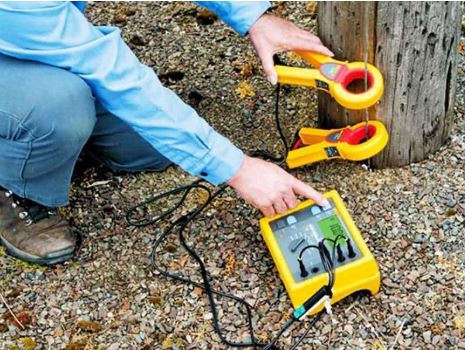
¿Qué es un Telurómetro y Para Qué Sirve?

Un telurómetro es un instrumento diseñado específicamente para medir la resistencia eléctrica del terreno, así como la resistividad del suelo. Su función principal es evaluar la capacidad del terreno para disipar corrientes eléctricas de forma segura hacia la tierra, evitando acumulaciones peligrosas de energía.

En términos prácticos, estos dispositivos se utilizan para comprobar si una instalación de puesta a tierra cumple con los estándares requeridos. Por ejemplo, en subestaciones eléctricas, hospitales, plantas industriales o antenas de telecomunicaciones, una mala puesta a tierra puede ser fatal o causar daños considerables a equipos electrónicos sensibles.

Importancia de la Resistividad del Terreno en las Puestas a Tierra

La resistividad del terreno influye directamente en la eficiencia de cualquier sistema de puesta a tierra. Esta propiedad física determina cuán fácilmente una corriente eléctrica puede viajar a través del suelo. Si el terreno tiene alta resistividad, la corriente no se disipará de manera efectiva, lo que aumenta el riesgo de descargas eléctricas, fallos en equipos y posibles incendios.

Medir esta resistividad permite:

  • Diseñar sistemas de puesta a tierra personalizados según las condiciones del terreno.
  • Verificar el funcionamiento de instalaciones ya existentes.
  • Cumplir con normativas internacionales como IEEE, NEC o IEC.

Por eso, el uso de telurómetros profesionales y precisos no es un lujo, sino una necesidad en 

Funcionamiento de un Telurómetro Profesional

Los telurómetros operan generalmente bajo el principio de inyección de corriente y medición de diferencia de potencial. El dispositivo aplica una corriente entre dos electrodos (normalmente el electrodo de corriente y el electrodo auxiliar) enterrados en el suelo, y mide la diferencia de voltaje entre otros dos electrodos.

Esta técnica se conoce como el método de Wenner o Schlumberger, y es altamente efectiva para obtener datos exactos de resistividad. Los resultados se expresan en ohmios (Ω) o en ohmios-metro (Ω·m) si se habla de resistividad.

Muchos telurómetros modernos incluyen características como:

  • Pantallas digitales retroiluminadas.
  • Medición automática de interferencias externas.
  • Corrección de errores por temperatura o humedad.
  • Almacenamiento interno de datos.
  • Conectividad Bluetooth o USB para exportar lecturas.

Tipos de Telurómetros Según su Aplicación

Telurómetros Digitales Portátiles

Estos modelos son ideales para trabajos de campo gracias a su tamaño compacto y facilidad de uso. Se utilizan comúnmente por técnicos de mantenimiento, ingenieros eléctricos y personal de inspección.

Telurómetros Multifunción

Además de medir la resistividad del terreno, estos dispositivos permiten realizar pruebas de continuidad, resistencia de lazo de tierra y corriente de fuga. Son perfectos para auditorías completas de sistemas eléctricos.

Telurómetros de Alta Gama para Uso Industrial

Diseñados para trabajos más exigentes, estos modelos incluyen funciones avanzadas de análisis y cumplen con estándares internacionales. Pueden operar en condiciones extremas de temperatura o humedad, sin comprometer la precisión.

Factores que Afectan la Medición de la Resistividad

La precisión de una medición con telurómetro puede verse afectada por múltiples factores externos:

  • Humedad del terreno: A mayor humedad, menor resistividad.
  • Temperatura ambiental: Influye en la conductividad del suelo.
  • Composición del suelo: Suelos con alto contenido de sal o minerales conducen mejor.
  • Profundidad de los electrodos: Una mala instalación de los pines puede alterar las mediciones.
  • Interferencias eléctricas: Corrientes parásitas o cercanía a líneas de alta tensión distorsionan los resultados.

Por eso, es vital usar equipos calibrados y seguir procedimientos técnicos adecuados durante las mediciones.

Normativas y Estándares Relevantes en la Medición de Puesta a Tierra

Toda medición con telurómetro debe cumplir con ciertas normativas que aseguren su validez y confiabilidad. Algunas de las más importantes son:

  • IEEE Std 81-2012: Guía para la medición de resistencia de tierra.
  • IEC 60364-6: Requisitos de verificación de sistemas eléctricos.
  • NFPA 70 (NEC): Código eléctrico nacional de Estados Unidos.

Cumplir con estas normativas garantiza que los datos obtenidos sean válidos y se puedan usar en auditorías o certificaciones.

Ventajas de Usar Telurómetros Profesionales de Alta Precisión

Contar con un telurómetro profesional no solo mejora la seguridad, sino que también ofrece múltiples ventajas prácticas:

  • Mediciones más rápidas y precisas.
  • Reducción de errores humanos gracias a funciones automatizadas.
  • Mayor vida útil del equipo eléctrico al contar con tierras efectivas.
  • Ahorro económico al prevenir fallos eléctricos y sanciones legales.

Además, los modelos más recientes están diseñados para ser intuitivos y resistentes, lo que los hace ideales para condiciones exigentes en terreno.

Errores Comunes al Usar un Telurómetro y Cómo Evitarlos

Utilizar un telurómetro sin la preparación adecuada puede llevar a errores costosos. Algunos de los errores más comunes son:

  • Colocación incorrecta de electrodos.
  • No tomar en cuenta las condiciones del clima.
  • Medir demasiado cerca de estructuras metálicas.
  • Ignorar la presencia de interferencias eléctricas.

Para evitar estos problemas, se recomienda seguir las instrucciones del fabricante, capacitar al personal técnico y realizar calibraciones periódicas del equipo.

Cómo Elegir el Mejor Telurómetro del Mercado

Seleccionar un buen telurómetro depende de las necesidades específicas de la instalación y el entorno donde se va a usar. Algunos aspectos a considerar incluyen:

  • Rango de medición necesario.
  • Facilidad de uso y portabilidad.
  • Capacidad de almacenamiento de datos.
  • Compatibilidad con software de análisis.
  • Certificaciones de calidad y cumplimiento normativo.

Existen marcas reconocidas como Fluke, Chauvin Arnoux, Megger, entre otras, que ofrecen equipos confiables y duraderos.

Aplicaciones Comunes de los Telurómetros en Distintos Sectores

Los telurómetros se utilizan ampliamente en múltiples sectores, incluyendo:

  • Energía eléctrica: Verificación de subestaciones y redes de distribución.
  • Telecomunicaciones: Instalación de antenas y torres de comunicación.
  • Construcción: Estudios de suelo para cimentaciones y sistemas de tierra.
  • Medicina: Protección de equipos médicos sensibles en hospitales.
  • Industria petrolera y minera: Prevención de descargas en zonas explosivas.

Tendencias Tecnológicas en Medición de Resistividad del Terreno

El avance tecnológico ha llevado a la creación de telurómetros con inteligencia artificial, análisis remoto y conectividad IoT. Estas innovaciones permiten:

  • Monitoreo continuo del sistema de puesta a tierra.
  • Integración con plataformas de mantenimiento predictivo.
  • Generación automática de reportes técnicos.

Estas funciones aumentan la eficiencia operativa y elevan los estándares de seguridad.

Conclusión

Los telurómetros profesionales de alta precisión son herramientas indispensables en cualquier sistema eléctrico moderno. Medir correctamente la resistividad del terreno garantiza que la energía se disipe de forma segura, previniendo accidentes, fallos técnicos y pérdidas económicas. Invertir en equipos de calidad y capacitar al personal técnico son pasos fundamentales para una infraestructura eléctrica confiable y segura.

Preguntas Frecuentes

  1. ¿Con qué frecuencia debe medirse la resistencia de puesta a tierra?
    Idealmente una vez al año, o después de cualquier cambio en la instalación eléctrica o condición del terreno.
  2. ¿Cuál es el valor recomendado de resistencia en una puesta a tierra?
    Generalmente se busca un valor menor a 10 ohmios, aunque depende del tipo de instalación.
  3. ¿Se puede usar cualquier multímetro para medir resistividad del terreno?
    No. Solo los telurómetros están diseñados específicamente para esta función.
  4. ¿Qué método es mejor para medir la resistividad del suelo: Wenner o Schlumberger?
    Ambos son efectivos, pero la elección depende del tipo de terreno y profundidad deseada.
  5. ¿Los telurómetros pueden funcionar bajo lluvia o humedad?
    Sí, los modelos profesionales están diseñados para operar en condiciones adversas, pero siempre es recomendable seguir las indicaciones del fabricante.


 

How Does Concealed Carry Attire Work


Choosing the right clothing for concealed carry seems simple at first glance, but once you start wearing a firearm regularly, you realize how much your wardrobe affects comfort, safety, and confidence. Many people think it only involves picking a shirt that hides your holster, but the truth is that every layer you wear influences how well you can carry. Some folks even look for concealed carry western wear to keep their style consistent without giving up practicality. When your clothing works with your firearm instead of against it, daily carry becomes much smoother.

Understanding how concealed carry attire works helps reduce printing, prevents constant adjusting, and keeps the firearm secure. Nobody wants that awkward moment when the grip of their pistol pokes through a thin shirt or when a loose waistband struggles under the weight of a holster. Clothing choices matter more than most people realize, and the right combinations eventually become second nature.

Understanding the Basics of Concealed Carry Clothing

Concealed carry attire is about balancing three main goals: concealment, access, and comfort. If one of these areas is off, carrying feels frustrating. Concealment keeps your firearm hidden from view, access allows you to draw safely when necessary, and comfort ensures you can carry all day without feeling annoyed by your setup.

Most people start by looking at their everyday outfits. Lightweight shirts, thin athletic shorts, or tight jeans might not provide the coverage or structural support needed. Your goal is to pick items that work together. Shirts should hang naturally without clinging. Pants should fit snug enough to hold a holster but not so tight that drawing becomes difficult. Even something as simple as fabric thickness affects how visible the firearm becomes during normal movement.

Holsters and Clothing Need to Work Together

No matter how good your clothing is, the wrong holster can ruin everything. Concealed carry attire works best when your holster and outfit act like a team. Holsters should distribute weight smoothly, secure the pistol firmly, and match your preferred carry position.

Here are common problems that happen when the holster clashes with clothing:

  • Excessive printing caused by a bulky holster under a thin shirt
  • Waistbands sagging because the belt is too flimsy
  • Holsters shifting and requiring frequent adjustments
  • Clothing riding up and catching the grip of the pistol

A high quality belt designed for carry usually solves half of these issues. Most regular department store belts simply aren’t built to support several pounds of steel. Once you get a belt that stays rigid, your holster stays in place and your clothes sit the way they should.

Layering Helps Concealment and Comfort

Layering turns average outfits into concealed carry friendly ones. A simple undershirt reduces irritation from the holster rubbing against skin. A button down, flannel, denim shirt, or hoodie can create clean lines that hide the outline of a firearm.

Many people discover that layering makes drawing smoother because the outer garment moves the same way each time. When your draw motion becomes consistent, you build muscle memory. A structured outer layer also breaks up the shape of a firearm grip better than a clingy t-shirt.

When choosing layers, pay attention to:

  • Fabric thickness
  • Shirt length, since too short of a shirt can expose your holster during normal movement
  • Stretchiness, because extremely flexible fabric might cling too closely
  • Whether the shirt lifts naturally when you sweep it aside for your draw

A longer shirt tends to work best for strong side carry, while an open jacket or over-shirt offers easy concealment for appendix carry.

How Fit Influences Concealed Carry

Fit matters more than style. Clothing that feels great when unarmed might fight against your holster once you add a firearm into the mix. Concealed carry attire usually requires slightly more room around the waist and torso, though not so much that it looks oversized.

For example, fitted shirts can print easily around the grip. Jeans with a low rise might push the holster upward when you sit. Elastic waistbands tend to roll or stretch unevenly under weight. Small fit changes, like going one size up in a t-shirt or choosing pants with stronger belt loops, can transform your experience.

People with an active lifestyle sometimes switch to fabrics that move better. A shirt with a bit of structure helps prevent printing, but you still want something breathable so you don’t feel sweaty under your layers.

Different Carry Positions Require Different Clothing

Every carry position interacts differently with clothing. Appendix carry (AIWB) works best with shirts that fall below the belt line and fabric that doesn’t cling to the abdomen. Strong side hip carry usually needs slightly longer shirts and firm belts. Small of back carry requires careful layering because bending forward exposes the holster easily.

Here is how clothing affects each common position:

Appendix Carry

  • Works well with stretchy pants that can handle a bit of pressure in the front
  • Requires longer shirts
  • Benefits from an undershirt to prevent irritation

Strong Side Hip Carry

  • Needs shirts with some structure on the sides
  • Belts must be supportive
  • Open overshirts hide the outline of the firearm

Small of Back Carry

  • Demands longer jackets or sweaters
  • Can print easily when sitting
  • Works better with thicker fabrics

Matching your attire to your position prevents mishaps and makes carrying feel more natural.

Seasonal Changes Affect Concealed Carry Attire

Summer and winter clothing bring different challenges. Hot weather limits layering, so people usually lean toward compact firearms, breathable shirts, and lightweight holsters. A thicker shirt or patterned fabric helps break up the outline of the gun.

Cold weather gives you more layering options, but too many layers can slow your draw. Jackets with stiff hems sometimes catch the grip when sweeping upward, causing a messy draw stroke. If you plan to carry under a winter coat, practice clearing it with one hand so your movement feels automatic.

Many carriers switch their attire seasonally, adjusting holsters, belts, and even firearms depending on the weather.

How To Choose Clothing That Works Long Term

You don’t need to overhaul your entire wardrobe, but you should pick a few go-to outfits that always work reliably. A good approach is to test your outfits at home. Bend, twist, sit, pick something up from the floor, or reach overhead. Watch for printing or shifting. If something feels off, small adjustments usually fix it.

A few long term clothing tips:

  • Pick shirts that drape naturally
  • Choose pants with sturdy belt loops
  • Invest in a carry-specific belt
  • Avoid shiny or clingy fabrics that highlight the firearm’s shape
  • Keep a mix of fitted and relaxed clothing so you are prepared for different carry positions

When your outfits feel consistent, carrying becomes much easier and more intuitive.

Final Thoughts

Concealed carry attire works by blending your wardrobe with your holster, firearm, and lifestyle. It requires a little patience and some experimenting, but eventually you find combinations that keep everything secure without feeling awkward or obvious. Comfortable clothing means you’re less likely to fidget or adjust, and the right holster paired with steady layering keeps the firearm hidden from view.

As you get used to what works and what doesn’t, carrying becomes more natural. The goal is to feel confident, safe, and prepared while going about your day. When your attire supports your carry setup, the entire experience becomes smoother, almost like your clothing and holster are working quietly in the background so you can focus on life instead of your gear.


10 Pros and Cons of Shockwave Therapy

Shockwave therapy has become one of those treatments people hear about from friends, physical therapists, or even social media, and it usually sparks the same reaction. Does it really work, and is it worth trying when you’re tired of lingering pain. Some people find it by searching for shockwave therapy near me after months of dealing with stubborn tendon issues or sore joints. Others get referred by a doctor who thinks it might be the missing piece in their recovery plan.

The idea behind shockwave therapy seems simple enough. A device sends acoustic waves into targeted tissue, and those waves encourage the body to heal itself. Even though it sounds a little futuristic, it is surprisingly easy to tolerate for most folks, and you can walk right out of the appointment and continue your day. Still, like any treatment, there are positives and negatives that matter depending on your condition, your pain tolerance, and how quickly you’re hoping to feel a change.

Below are ten pros and cons to help you understand what this therapy actually offers, and where it may fall short.

Pro: It Can Speed Up Healing

One of the biggest reasons people try shockwave therapy is because it can activate the body’s natural repair process. The acoustic pulses increase blood flow, stimulate collagen production, and promote tissue regeneration in a way the body sometimes struggles to do on its own. Conditions like plantar fasciitis or tennis elbow often respond well because the treatment encourages healing in areas that tend to stay irritated for months.

People who have been stuck in a long recovery cycle sometimes notice improvements in mobility or reduced morning pain after just a few sessions. That does not mean it is magic, just that it can create conditions that help the body repair itself more efficiently.

Pro: Good Option for Chronic Tendon Problems

Chronic tendon issues are notoriously stubborn. Rest does not always fix them, stretching helps only a little, and anti-inflammatories might take the edge off without solving anything. Shockwave therapy gives providers another tool for these slow healing injuries.

It is often used for:

  • Plantar fasciitis
  • Rotator cuff irritation
  • Achilles tendinopathy
  • Patellar tendon pain
  • Tennis and golfer’s elbow

What makes it helpful is how the treatment reaches deeper tissue where inflammation and microtears linger. Over time the waves break up small adhesions, encourage circulation, and help normalize how the tissue functions.

Pro: Noninvasive and Quick Sessions

Surgery always carries a bit of fear, even for minor procedures. Shockwave therapy avoids that completely because nothing actually enters the body. No needles, no incisions, and no anesthesia.

Most sessions last less than 20 minutes. You sit or lie on a table, the clinician applies gel and moves the device over the painful areas. Afterwards you walk out and continue your day like normal. For people who struggle to fit long medical appointments into a busy schedule, this is a major plus.

Pro: Minimal Downtime

Athletes, runners, and even weekend gym goers like that they do not have to pause their life to use this therapy. There is usually no downtime beyond avoiding intense activity for a short period after a session. Most people can continue light movement, walking, work, and daily responsibilities without disruption.

The mild soreness that sometimes follows is temporary and usually just feels like you overworked the area a little. That makes it easier to stick with treatment because you do not lose progress in other parts of your routine.

Con: It Can Be Uncomfortable

Even though shockwave therapy is noninvasive, that does not mean it feels great. The sensation can be a mix of pulsing pressure and sharp little zaps depending on the intensity level and your personal pain tolerance. Some people barely notice it while others find it tough to get through the full session.

Clinicians can lower the intensity or adjust the angle, but there is still a chance the discomfort is something you need to push through. People with very sensitive tissue or low pain tolerance sometimes decide it is not for them.

Con: Results Can Vary

This might be the most important thing to understand. Shockwave therapy helps a lot of people, but it does not help everyone. Some feel a change after one or two sessions, others take six or more, and a portion of patients feel almost no difference at all.

The reasons vary. Some conditions respond better than others, and the skill of the provider matters more than people expect. Your overall health, the severity of the injury, and how consistent you are with the recommended plan all play a role. It is frustrating when your friend swears it fixed their foot pain yet you feel nothing after weeks, but that does happen.

Con: It Can Be Pricey and Not Always Covered

Shockwave therapy sits in a weird spot when it comes to insurance. Some plans cover it, some partially cover it, and some consider it elective even when it is medically recommended. Out of pocket costs can stack up quickly, especially when multiple sessions are needed.

For people trying to budget health expenses, this can be a major drawback. You may need to call both your provider and your insurance company ahead of time to avoid surprise bills. Even if it works very well, the cost can still feel like a hurdle.

Pro: May Reduce the Need for Medication

A lot of people dealing with chronic pain grow tired of relying on painkillers or anti-inflammatories that barely help. Shockwave therapy offers a drug free path that may allow the body to naturally reduce irritation, improve mobility, and strengthen tissue without long term medication use.

This is especially appealing if you struggle with stomach sensitivity, or if you’re trying to avoid building a habit of taking something every day just to manage basic movement.

Con: It Usually Requires Multiple Sessions

Some clinics advertise fast results, but most treatment plans recommend multiple sessions spread over several weeks. One appointment usually is not enough, and skipping too many can slow progress.

This can be inconvenient if your schedule is tight or if your tolerance for the treatment is low. For people who want a single fix or immediate relief, the gradual nature of shockwave therapy might feel disappointing.

Pro: Complements Physical Therapy Well

Providers often combine shockwave therapy with strengthening exercises, stretching routines, and mobility work. This combination tends to produce better outcomes than the therapy alone since strong muscles support healing tissues and prevent flare ups.

People who are already working through a PT plan sometimes notice their progress speeds up after adding shockwave sessions. The treatment softens the irritated tissue while the exercises teach it to function properly again, a pairing that works nicely for chronic tendons.

Final Thoughts

Shockwave therapy has seven solid pros and cons that paint a realistic picture of what you might expect. It has the potential to help stubborn tendon issues, it is quick and noninvasive, and many people feel meaningful improvement over time. Still, the discomfort, cost, and inconsistent results are worth thinking about because they can be deal breakers for certain conditions.

If you have been struggling with pain that refuses to heal, this therapy might be worth discussing with a trusted provider. A skilled clinician can look at your condition and help you decide whether shockwave therapy is likely to help or if another route may fit your situation better.

Do Driving Lessons Need to Be In-Person


Learning to drive has changed a lot in recent years. What used to mean sitting in a car with an instructor and taking notes in a classroom now includes online options and virtual simulations. Many people wonder if in-person driving lessons are still necessary, or if an online driving school can give the same kind of experience. The answer isn’t completely simple because it depends on what you’re trying to learn and how you learn best.

The Value of In-Person Lessons

There’s a reason driving instructors have spent decades sitting beside students. Being in the car gives immediate, hands-on feedback that no screen can truly replace. A live instructor can sense hesitation, spot unsafe habits, and correct them right away. They can explain how the car feels when it’s accelerating too quickly or braking too hard, something that’s hard to describe with words alone.

Driving also involves more than just understanding traffic laws. It’s about judgment, reaction time, and confidence under pressure. These are things that grow with practice in real-world conditions. You can’t really simulate how it feels when a pedestrian suddenly steps off the curb, or when a merging car hesitates halfway down the ramp. Those unpredictable moments teach the instincts that make safe drivers.

The Rise of Virtual Learning

Technology has changed nearly everything about education, and driver training is no different. Online lessons let students study at their own pace and schedule, which can be a huge advantage for busy families or people balancing work and school. The theory part of driving, like understanding road signs, right-of-way rules, and safe following distances, translates easily to online learning.

For example, interactive modules can show animations of four-way stops or roundabouts, helping students visualize the flow of traffic better than static images in a book ever could. Online quizzes also help track progress and make it easier to identify weak areas before a final test. Some even include 3D simulations where learners can practice decision-making without risking anyone’s safety.

What Online Training Can’t Replace

Still, there’s a limit to what technology can teach. Knowing what to do and being able to do it are very different things. You might memorize the perfect way to parallel park, but that doesn’t mean you can smoothly back into a tight space on a crowded street. Muscle memory and spatial awareness only develop through repetition in an actual vehicle.

Another thing missing from online-only lessons is emotional experience. Many new drivers deal with fear, anxiety, or overconfidence. An in-person instructor doesn’t just teach driving, they help manage emotions. They can calm nervous students, redirect frustration, and remind them when they’re improving. That personal connection often keeps learners from giving up when they hit a rough patch.

Blended Learning: The Best of Both Worlds

A growing number of schools now use a hybrid model, combining online coursework with in-person driving sessions. Students complete the classroom part at home, saving time and often money, then meet with an instructor for the practical portion. This method gives flexibility without losing the benefits of hands-on guidance.

It also fits how people learn today. Younger students who grew up using technology often feel more comfortable studying digitally, but they still need real-world experience before they’re ready to drive alone. A blended format respects both sides of that equation.

Factors to Consider Before Choosing

When deciding between in-person, online, or hybrid lessons, it helps to think about your own comfort level and goals.

Ask yourself:

  • Are you a visual learner? If you learn best by seeing examples or watching demonstrations, online resources might work well for the classroom part.
  • Do you struggle with anxiety or confidence behind the wheel? A supportive instructor in-person could make a big difference.
  • What’s your schedule like? Online lessons allow flexibility, but driving practice will still need dedicated time on the road.
  • How strict are your state’s requirements? Some states allow online theory tests, while others require certified in-person hours before taking the final road exam.

The Legal Side of Driving Instruction

Every state has its own rules about what counts as valid driver education. Some require a specific number of in-person instruction hours with a licensed teacher. Others let students complete most of their coursework online but still mandate behind-the-wheel training. Checking your local Department of Motor Vehicles website can clear up any confusion before enrolling.

Parents teaching teens to drive should also pay attention to these requirements. Even if your state allows parent-supervised driving practice, many insurance companies give discounts for completing a certified program. Choosing a school that meets both legal and insurance standards can save money and reduce headaches later.

Building Real Confidence Behind the Wheel

Confidence doesn’t come from memorizing laws or watching training videos. It comes from exposure, repetition, and gradual challenges. Every new driver goes through moments of panic, like stalling the car, taking a corner too wide, or forgetting to signal. Working through those experiences in real time builds lasting skill.

In-person instruction lets mistakes become learning moments immediately. If you roll too far into a stop sign, your instructor can explain exactly what went wrong and how to fix it next time. Virtual programs might show similar examples, but they can’t replicate the feeling of being there, heart racing, foot on the pedal, learning to regain control.

Cost and Convenience

Price plays a big role in any decision. Online courses usually cost less than in-person programs because they don’t require vehicles, fuel, or physical classrooms. That makes them appealing for people on a budget. However, the savings might not be worth it if the program lacks quality instruction or isn’t approved in your area.

Convenience is another factor. Online lessons can be done from home, sometimes even on a phone or tablet. This can make learning more consistent, since students can review sections anytime. In-person lessons, however, demand more scheduling but provide direct accountability and structure, which some learners need to stay on track.

When In-Person Lessons Are Essential

No matter how advanced online tools become, there are moments where hands-on instruction is non-negotiable. For example:

  • Learning manual transmission: Feeling the clutch’s friction point can’t be taught through a screen.
  • Driving in poor weather: Rain, snow, or fog training builds real confidence and caution that simulations can’t fully match.
  • City driving practice: Navigating tight turns, one-way streets, and pedestrians requires live instruction.
  • Emergency handling: Skid recovery and sudden braking drills are safest with a trained instructor beside you.

These situations teach adaptability, the skill that separates cautious drivers from confident ones.

The Bottom Line

Online driving education offers incredible convenience and accessibility, especially for understanding rules, signs, and safety concepts. But the heart of driving, how to handle the car and yourself, still happens on the road. In-person lessons remain the gold standard for developing instinct, muscle memory, and calm decision-making.

For most people, a mix of online learning for theory and hands-on sessions for skill practice gives the best outcome. Technology will keep improving, and virtual tools will get better at simulating reality, but for now, there’s no substitute for sitting in the driver’s seat with an experienced instructor by your side.

The steering wheel, the sound of the engine, the tiny corrections of your hands, those are things that make you a driver, not just a student.


8 Benefits of Facebook Likes in Online Business Behaviors


Getting a Facebook like is not just a simple digital thumbs-up. It is the first step in building a vibrant, engaged community around your online business. It is a voluntary opt-in that represents a possibility of a deeper relationship between your brand and a consumer. This initial interaction opens the door to ongoing communication, valuable feedback, and sustained brand presence in a user’s news feed.

In this article, we uncover eight significant benefits of Facebook likes in online business behaviors, focusing on how they help cultivate a loyal audience.

1. Social proof

When it comes to drawing the attention of new customers to your service or product, the importance of social proof cannot be overemphasized. Generally, people are often more interested in interacting with popular and credible content. One of the ways to boost the popularity of your content is to ensure it has a high number of likes. This creates a sense of trustworthiness and convinces people that your content is popular.

2. Brand awareness

The algorithm of Facebook and other social media apps often favors content with many likes. This is because they assume such content is popular among users; hence, they don’t hesitate to promote it and show it to more users. Therefore, getting lots of Facebook likees can increase your brand visibility, ensuring more individuals see what you are capable of offering.

Would you like to improve your brand awareness with Facebook likes? Get in touch with a Facebook likes provider to buy Facebook likes. The service comes with various packages, so you can select your preference based on the number of Facebook likes you want. These likes come from real and active Facebook users. With this service, Facebook won’t flag your account for getting likes from bots or fake accounts.

3. Improved credibility

If you use Facebook consistently and get lots of likes on your page, you will likely get higher engagement from your existing followers. The activities on your page will make prospective followers believe your page is credible and popular. This can encourage them to follow your page and give you more likes. So, if you are looking for ways to boost the legitimacy of your brand, don’t hesitate to explore ways to increase your Facebook likes.

4. Higher customer engagement

Facebook likes are a simple means of customer engagement. Getting likes shows that your target audiences are viewing and acknowledging your content. This serves as the starting point of all kinds of interactions that you can have with your customers. As a result, it can be a precursor to many types of engagement. For instance, if a Facebook user sees your content and likes it, this shows that your message resonates with them. The person may go further to share your content or even follow your page to get more content from you. Therefore, any brand that wants to get higher customer engagement on Facebook should not overlook the essence of getting likes.

5. Measurement of content marketing success

Content marketing is a comprehensive process involved in creating and distributing relevant and resourceful content, such as articles, infographics, and podcasts. The end goal of this strategy is to attract your target audience. If you are spending lots of time, effort, and money on a marketing strategy, you will want to know whether it’s successful or not.

Getting numerous likes, shares, and other engagement types means several Facebook users are interacting with and appreciating your content. This also means your content has a defined audience and can help your brand grow. With this, you can easily measure the success of your content marketing and determine how you can take your content to the next level.

6. Creation of a direct communication channel

Social media marketing is just one of the ways to promote your brand. However, it can also offer you a chance to market your product or service to your audience in a more personalized way. This is because Facebook and other social media channels can give you access to your target audience.

Let’s say you want to promote a product to your audience via email marketing. Getting likes on Facebook can give you an idea of the people who resonate with your content. Such individuals will likely be open to trying out your product or service. Therefore, you can create direct communication with such people by getting their email addresses and sending them customized emails about what you can offer them. By doing this, Facebook likes have created a means of direct communication with your audience.

7. Increased website traffic

When Facebook users like your post on the platform, your post may be recommended to their friends. This means that more people will get to see your post. You can take advantage of this opportunity by adding a link to your website to your Facebook content. Some of your new viewers will want to learn more about what you can offer; hence, they will visit your website. Therefore, getting lots of Facebook likes can increase your website traffic.

8. Data for analysis

When a particular content type gets lots of likes and other engagement forms, you can tell it resnoates with your audience. This insight can help you restrategize and understand the content type you should be creating.
Analyzing the information of the Facebook users liking your content can also provide data on who your audience is. It can help you know the age, location, interests, and other details of your ideal client. When used properly, the insights can change the fate of your business.

Conclusion

In conclusion, to dismiss Facebook likes as a mere vanity metric is to overlook its profound strategic value. As we have explored, its benefits extend far beyond a simple count, as it serves as a cornerstone for social proof, brand visibility, and customer relationship management. By strategically cultivating and valuing these digital endorsements, you transform passive observers into an active community and lay the essential foundation for sustainable online growth and a resilient brand presence.